In brief
Springfield, once a symbol of de‑industrial decline, now hosts a 20,000‑strong Haitian community that revitalised its factories. President Trump targets the town in his campaign, claiming a mass deportation will return the area to a safer, “American” identity. A young migrant, Pierre Damas Bel, became a tragic emblem after an ankle monitor prompted a fatal accident. Local residents and veterans are split, with some supporting the new policy as economic relief and others warning of human cost. As the nation heads to the 2026 mid‑term, Springfield remains a battleground for immigration policy and civic identity.
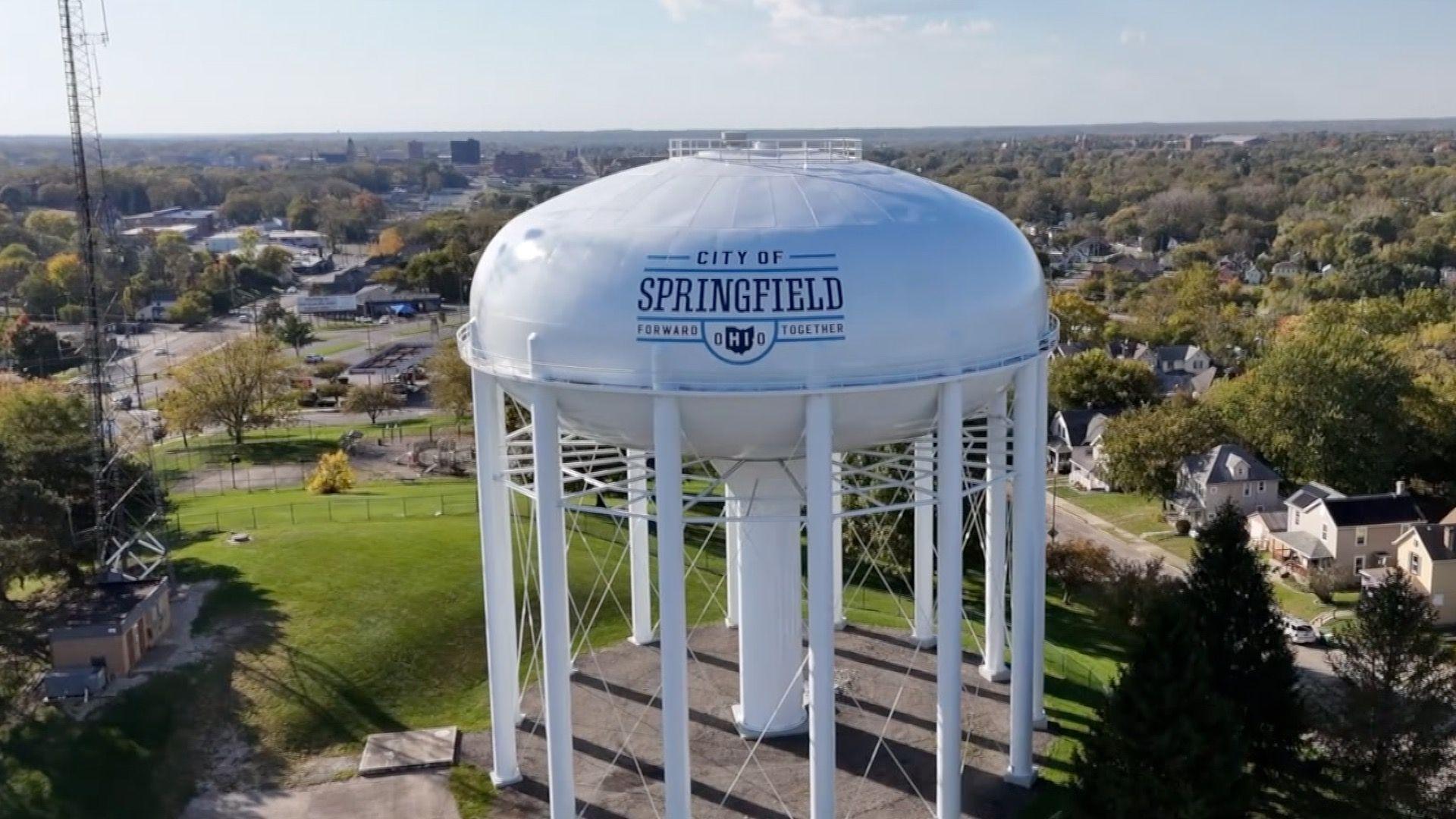
Springfield, Ohio, a town that once turned into a symbol of post‑industrial decline, now stands as a micro‑cosm of the nation’s clash over immigration. A single wave of Haitian migrants has reshaped its streets and its politics, and the town is once again thrust into headlines as President Trump’s campaign pushes to deport the very people who helped revitalize Springfield’s factories.
A town’s changing identity
Within the last five years a community of roughly 20,000 Haitians settled in Springfield, often filling jobs in warehouses and assembly lines that had been empty since the 1990s. The migration wave was driven by Haiti’s earthquakes, political turmoil and violence, and the United States’ Temporary Protected Status program, which granted many migrants the right to live, work and travel legally for up to eighteen months – a period that was regularly extended as conditions in Haiti remained hazardous.
Predominantly low‑wage employment has anchored the town’s fragile economy, but the influx has also sparked a new set of socioeconomic challenges. Shelves in local stores often remain empty, and the community’s churches and markets are bathed in a distinct Caribbean atmosphere that some residents feel clashes with the town’s industrial past.
The political flare‑up
When Donald Trump returned to Springfield in June 2025, he declared a triumphant “de‑town” of Haitians, promising to return the community to a proper American identity. His speech emphasized that the removal of Temporary Protected Status for Haitian migrants would lead to their rapid deportation, arguing that the U.S. safety net had been abused.
The Supreme Court’s 2025 ruling confined TPS for Haitians, allowing the Trump administration to cite its “rule of law” and “common sense.” In a stark visual statement, a Department of Homeland Security release posted a video showing Haitian migrants in white uniforms, chained, being loaded onto a deportation flight with a jarring soundtrack and a message urging them to leave immediately.
Human cost and tragedy
Pierre Damas Bel, 20, became a poignant casualty of the policy shift. After arriving in Springfield in 2024 under the former Biden‑era program, he was granted Temporary Protected Status but was forced to wear an ankle monitor after the Supreme Court ruling. Bel’s Instagram posts reflected shame and humiliation; on 31 August he walked into oncoming traffic near a highway, ending his life. His family cites the stress of the monitor as a key factor behind his tragic decision.
ICE maintains that individuals who remain in the country while their status is contested are simply choosing to stay illegally. However, the department has declined to link the incident directly to its enforcement actions, and local reporters have struggled to obtain responsive comments from Homeland Security.
Community voices
Rick Johnson, a lifelong resident and former Marine, displays flags and banners on his porch and supports the new deportation drive, stating he loves America “as a people” but insists “any kind of people” must be American. He asserts that the Haitian arrival has changed the town’s demographic mosaic, citing traffic incidents and vandalism as evidence of decline.
In contrast, local Haitian community leaders and empathetic residents argue that many came seeking better opportunities and that the loss of Temporary Protected Status strips them of legitimate work rights. A grocery store owner, Paschur Castelly, notes empty shelves and a dwindling customer base as a direct result of the policy upheaval and recent loss of the community’s workforce.
The town’s trajectory ultimately reflects a broader national divide, where a rural Midwestern community becomes a lightning rod for the politics surrounding immigration enforcement. With the 2026 mid‑term elections approaching, Springfield represents a micro‑stage where the consequences of policy decisions will reverberate well beyond its borders.