Australia Detects H5N1 Bird Flu – First Continent‑Wide Case
The H5N1 strain of bird flu has, for the first time, been confirmed in Australia, the country’s agriculture ministry announced on Saturday. This marks the virus’s arrival on all six continents, a milestone that has alarmed scientists and policy makers.
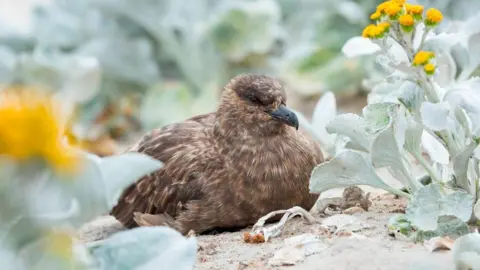
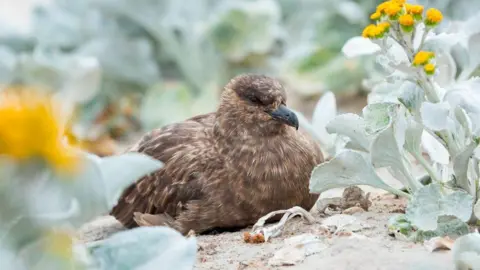
The infected bird, a migratory seabird known as a brown skua, was found on a beach at Cape Le Grand National Park, approximately 700 km southeast of Perth. The species is a known carrier of avian influenza, and its detection in Australia suggests the virus has spread from other continents via long‑distance migration.
“We all knew we couldn’t be bird flu‑free forever,” Agriculture Minister Julie Collins said at a press conference. “The presence of H5N1 in Australia is a stark reminder of the importance of our surveillance and preparedness plans.”
Collins also reported a second suspected case: a southern petrel found exhausted on an Esperance beach, though no evidence of mass mortalities was observed. Threatened Species Commissioner Fion Fraser said that authorities would determine within a few days whether the virus has impacted other animal populations.
Veterinary chief officer Beth Cookson confirmed that the government had been preparing for such an event for a long time. An emergency animal disease committee convened on Saturday to coordinate a response.
The H5N1 strain was previously detected on Australia’s remote Heard and McDonald Islands in October 2025. A recent study estimates that roughly 13,000 baby seals were killed there—a death toll that represents more than 75% of the 17,000‑strong seal population. Higher mortality rates were also recorded in nearby penguin colonies.
Scientists believe the virus was introduced to the islands in late August by migratory birds from the French‑owned Crozet Islands, about 1,800 km away.
Bird flu, caused by the H5N1 virus, infects a wide range of animals—including birds, foxes, seals, and otters. Human cases remain uncommon and usually arise from direct contact with affected wildlife.
The global spread of the H5N1 strain, which first emerged in China in the late 1990s, underscores the ongoing risk posed by bird migration and the necessity of vigilant monitoring across domestic and wild avian populations.