In brief
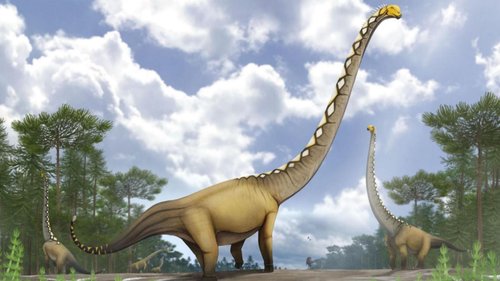
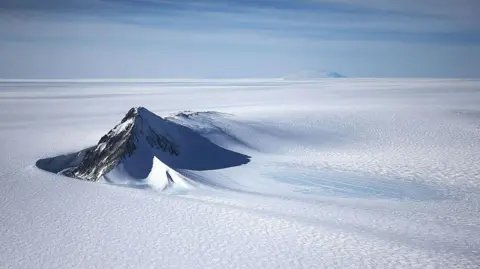
An unassuming fossil, stored for 40 years in a Cambridge drawer, has turned out to be the first dinosaur bone ever found on Antarctica. Discovered in 1985 on James Ross Island, palaeontologists have confirmed it as a Titanosaur tail vertebra, a member of the largest dinosaur clade. The find offers fresh insights into how these gigantic herbivores lived on a continent that, 80 million years ago, was teeming with lush forest, a stark contrast to today’s icy wilderness. Researchers estimate the Antarctic Titanosaur was about 7 m long, suggesting a juvenile or smaller adult form. This discovery not only expands the fossil record in a challenging region but also reinforces the idea that Antarctica once hosted vibrant prehistoric ecosystems.
In 2026, a routine inventory of the British Antarctic Survey’s geology archive in Cambridge revealed a long‑forgotten bone tucked away in a drawer. What seemed like an ordinary fossil was later confirmed as the first dinosaur bone discovered on Antarctica, belonging to a member of the Titanosaur family.
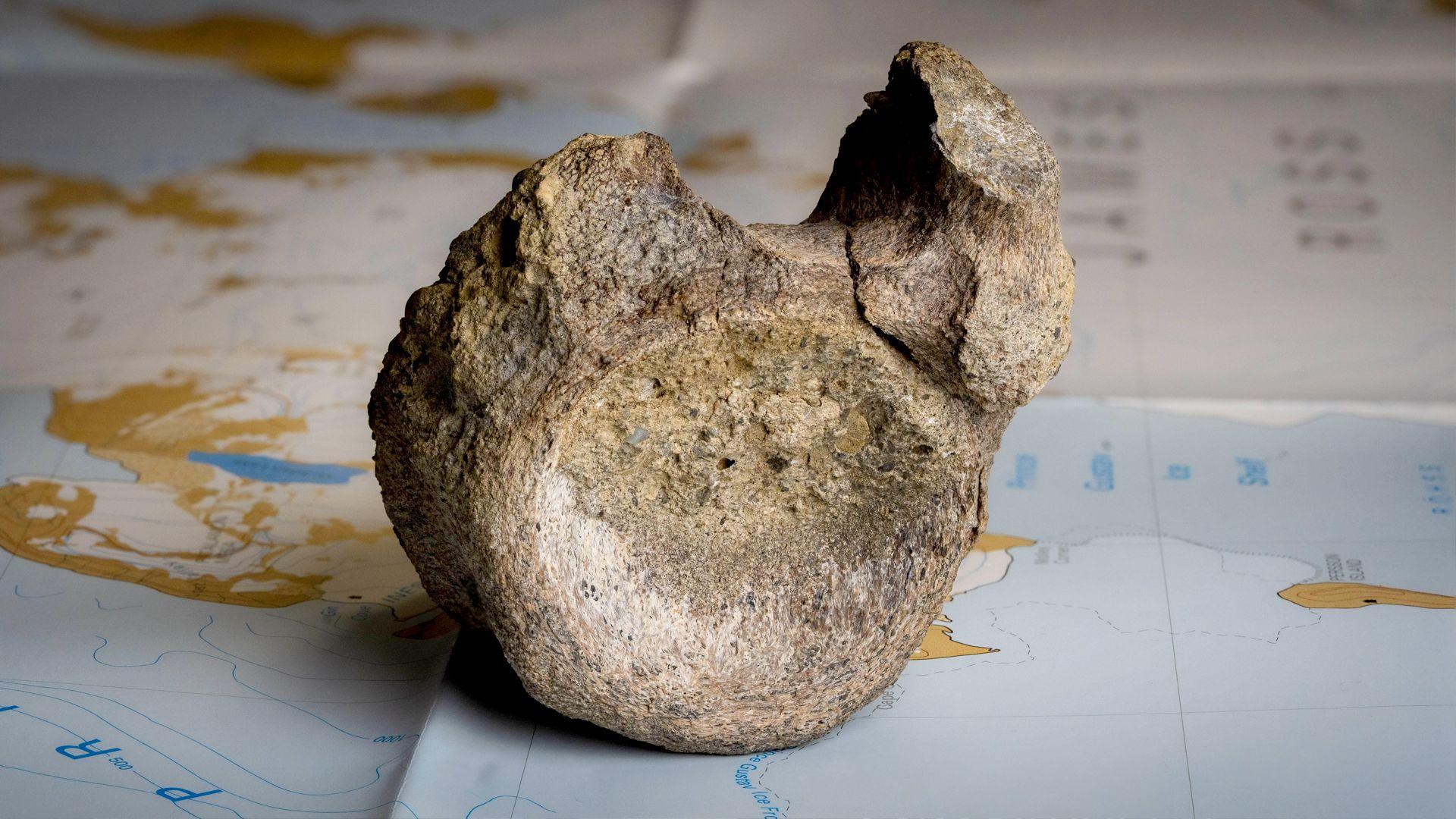
You can now explore this discovery in our virtual research hub. Players can step into the BAS collection room, inspect the vertebra in 3D, and view the original geologist’s notebook entries that shed light on the bone’s history. The interactive model includes the bone’s 10‑cm width and the distinctive ball‑and‑socket articulation typical of Titanosaurs.
“From the size of this tail bone, we estimate the Antarctic Titanosaur was about 23 ft (7 m) long.” – Prof. Paul Barrett, Natural History Museum.
The find extends the known range of Titanosaurs, a group that includes over 100 species worldwide. Notably, the specimen suggests that young or smaller Titanosaurs may have lived in the polar regions 80 million years ago, a time when Antarctica was a verdant forest rather than the icy expanse it is today.

The discovery goes beyond a museum exhibit; it marks a milestone in Antarctic palaeontology and showcases how digital platforms can bring remote scientific achievements to life for audiences worldwide. Join us in the metaverse to view the fossil, read the original field notes, and learn how Antarctica’s ancient ecosystems shaped the planet’s prehistoric narrative.