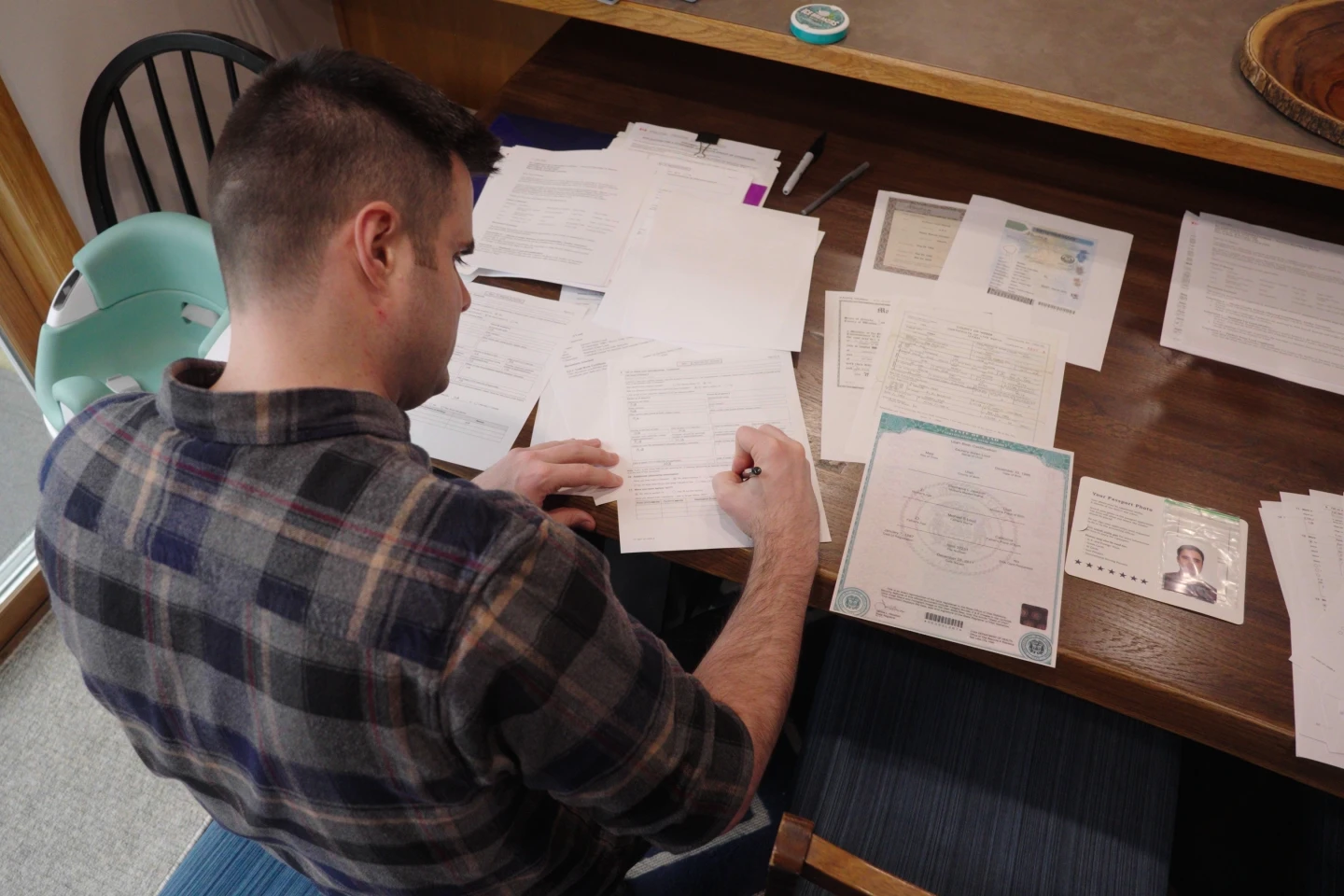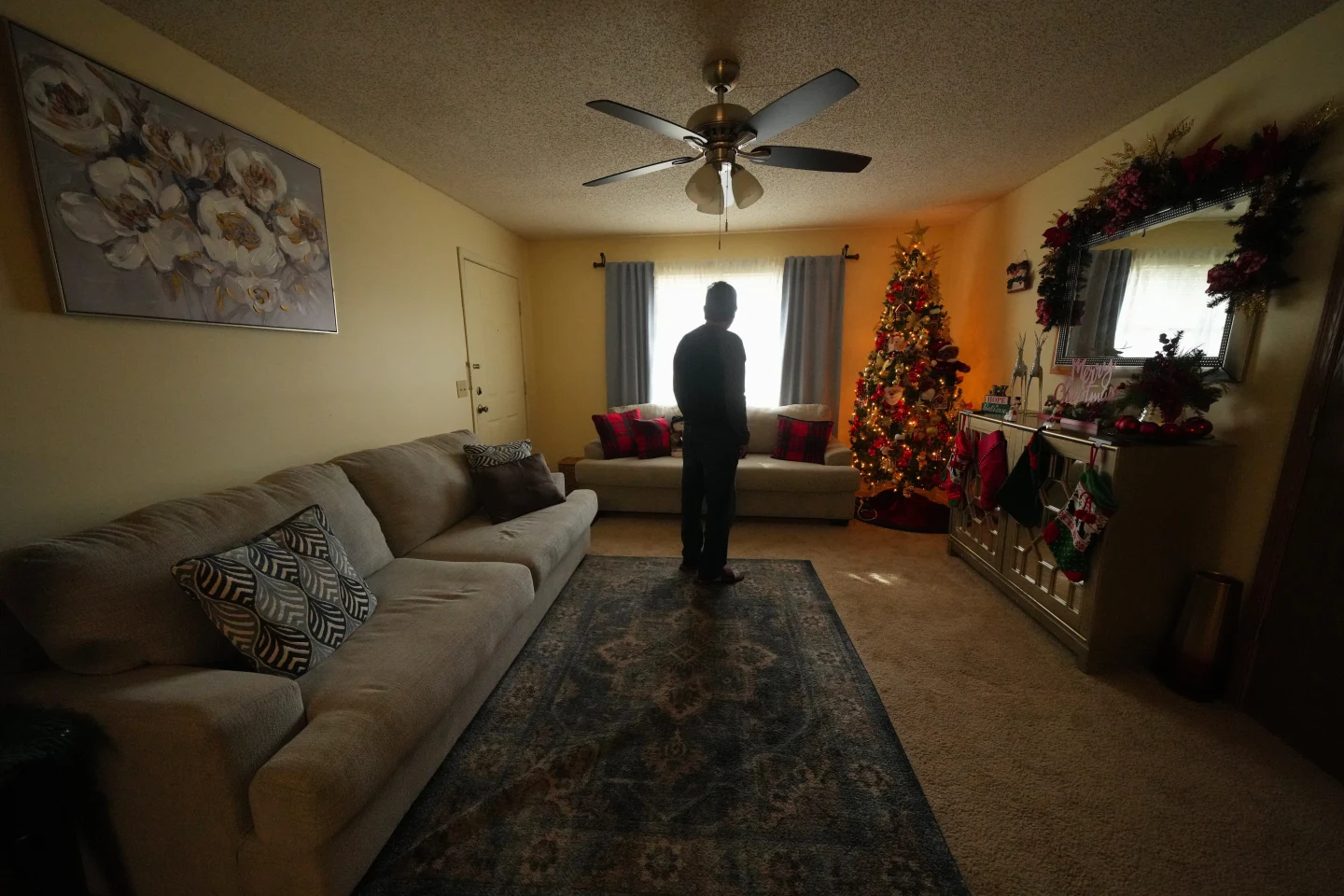
ROGERS, Ark. — Cristina Osornio, already facing the challenges of separation from her husband and the loss of their family home, finds herself caught in the United States' intense immigration enforcement atmosphere just months after her husband was deported. This follows a seemingly ordinary traffic stop in Benton County, where she was detained despite being a legal permanent resident and mother of six.
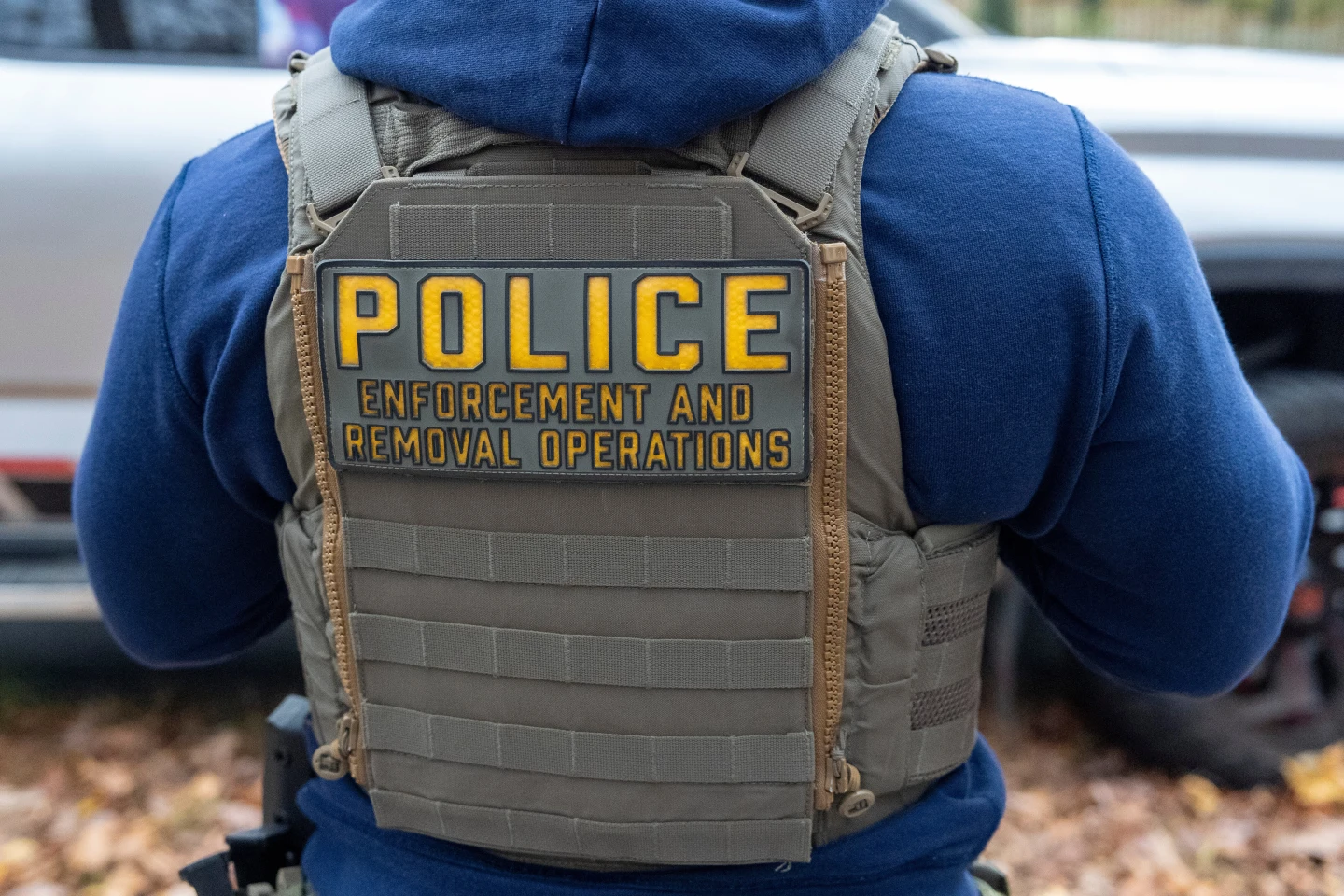
Benton County has emerged as a critical battleground in the Trump administration's immigration policies, with numerous arrests linked to local law enforcement's cooperation with ICE. Since the onset of this partnership, families have been torn apart, leading to widespread fear among the area's immigrant communities, who hail from countries like Mexico, El Salvador, and Guatemala.
In the aftermath of her detention, Osornio describes an unsettling experience that exacerbated her health issues. Nobody is safe at this point because they are targeting you because of your skin color, she expressed, highlighting the palpable tension within the local community.
Through a partnership program facilitating cooperation with ICE, Benton County has reported significant numbers of arrests, averaging more than one and a half detentions per day. The implementation of the 287(g) agreement empowers local deputies to inquire about the immigration status of individuals who are brought into the county jail. Unfortunately, this strategy often leads to excessive detentions, even for minor offenses like traffic violations.
The atmosphere of fear and uncertainty has altered the day-to-day lives of residents. Many individuals are hesitant to leave their homes for fear of being targeted during a traffic stop. Local attorney Lilia Pacheco notes a stark increase in the apprehension and anxiety within Hispanic communities since the beginning of the new administration’s policies.
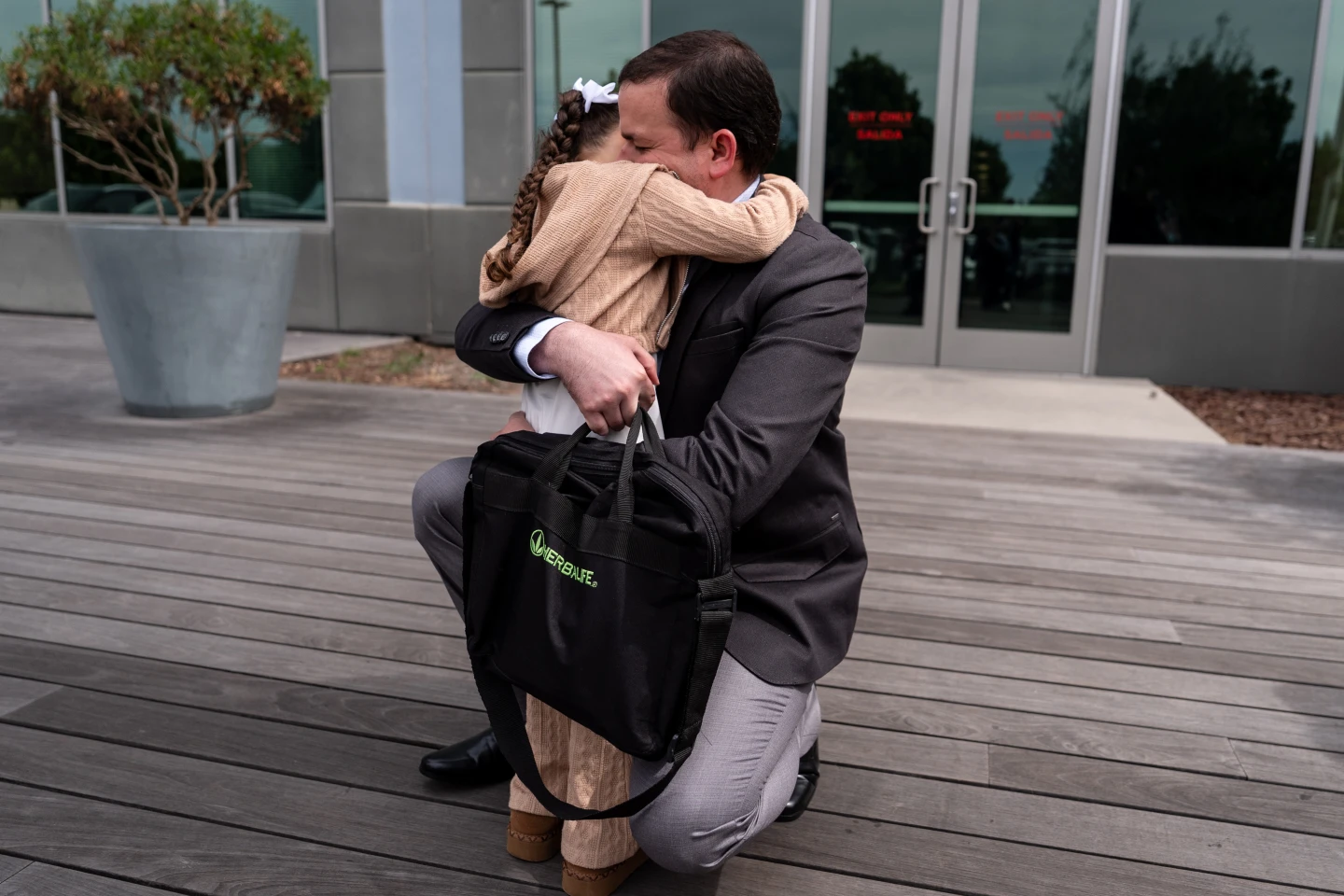
As Osornio struggles to navigate her family's changing circumstances, the painful absence of her husband weighs heavily. Facing financial instability and ongoing health issues, she grapples with the prospect of moving her children to Mexico to reunite with him while fearing the dangers associated with cartel violence.
The story of Cristina Osornio reflects the broader implications of stringent immigration enforcement on families, as well as the struggles of many within Arkansas' immigrant community as they seek safety and stability amidst uncertainty.