Alarming HIV Outbreak in Pakistan Linked to Unsafe Medical Practices
Warning: This story contains details that readers may find distressing.
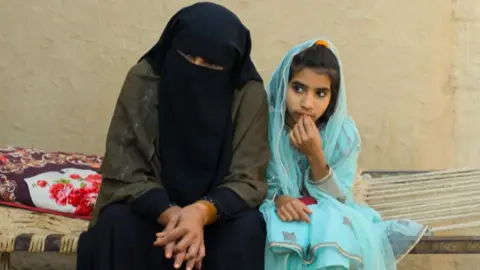
Mohammed Amin was just eight years old when he passed away shortly after being diagnosed with HIV. His fevers were so bad that he insisted on sleeping in the rain, and he writhed in pain like he’d been thrown in hot oil, recalls his mother, Sughra.
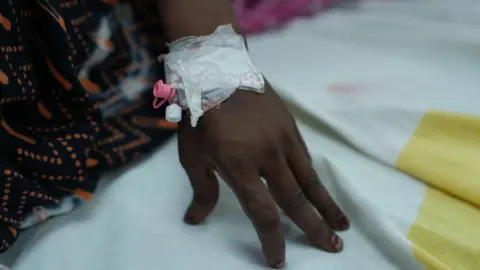
Shortly afterward, his sister Asma, aged ten, was also diagnosed with HIV. The family suspects that both children contracted the virus through contaminated syringes during routine medical treatments at a government hospital, THQ Taunsa, located in Punjab, Pakistan.
These tragic cases are part of a larger crisis, with the BBC Eye investigation uncovering that 331 children in the region tested positive for HIV from November 2024 to October 2025. Even after local authorities acknowledged the outbreak linked to THQ Taunsa and promised intervention, our undercover filming from late 2025 showed a disturbing continuation of unsafe practices.
Undercover footage revealed instances of syringes being reused on multi-dose vials of medication, potentially leading to viral transmission among patients. In many instances, we observed staff injecting children without sterile gloves, showing a blatant disregard for established safety protocols.
Despite high-profile promises of reform from hospital officials, including the newly appointed medical superintendent Dr. Qasim Buzdar, our investigation demonstrated ongoing unsafe practices long after he claimed they would be addressed.
In one shocking incident, a nurse was filmed pulling a used syringe from under a counter, readying it for reuse on another child, emphasizing the severe healthcare negligence endemic in the facility.
The issue of infected practices is underscored by systemic pressures: Pakistan has one of the highest global rates of therapeutic injections, often deemed medically unnecessary due to cultural expectations, compounding the demand for injections and exacerbating supply shortages across hospitals.
Asma continues to cope with her condition amidst the social stigma surrounding HIV, feeling isolated from peers and questioning her worth. When I grow up, I want to become a doctor, she shares, maintaining hope in a challenging situation.
The revelations from THQ Taunsa have raised alarms among health experts and the public alike, calling for immediate reforms in Pakistan's healthcare system to prevent further tragedies like those of Asma and Mohammed.