On May 5, 2025, Rwanda announced it is in conversations with the Trump administration regarding the potential acceptance of migrants expelled from the United States. This development may mark a significant shift in migration policy for Africa, as it would be the first such arrangement of its kind since Trump began intensifying measures against illegal migration.
Olivier J.P. Nduhungirehe, Rwanda's foreign minister, stated in an interview with Rwanda TV on Sunday that the discussions with the U.S. are still in the early stages. He emphasized that it would be “premature to conclude how they will unfold,” suggesting that further dialogue is necessary before any commitments are reached.
The U.S. State Department, however, did not provide immediate comments regarding these negotiations. Rwanda has promoted itself as a partner to Western countries seeking to address the challenges of migration, often offering temporary housing for migrants or asylum seekers awaiting resettlement, typically in exchange for financial compensation.
Critics of this approach voice concern for the safety and rights of asylum seekers in Rwanda, citing the nation’s historical issues with human rights, insufficient resources for support, and prior actions of intimidation against migrants.
The Trump administration has previously implemented aggressive methods to control migration borders, including notable deportations of individuals through noteworthy repatriation flights. In a controversial move in March, Trump utilized an antiquated law to approve the deportation of alleged gang members from Venezuela back to El Salvador, despite legal challenges against the orders.
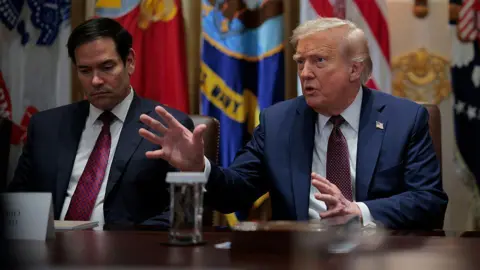
Additionally, the U.S. has been incentivizing other nations to accept their own citizens when deported from American soil, deploying measures that include visa revocations for countries that fail to comply. For instance, a March directive from Secretary of State Marco Rubio revoked visas for all South Sudanese citizens amid stand-offs concerning their deported nationals.
As these developments unfold, the world looks on to see how this potential cooperation between Rwanda and the U.S. may reshape the landscape of global migration policy.