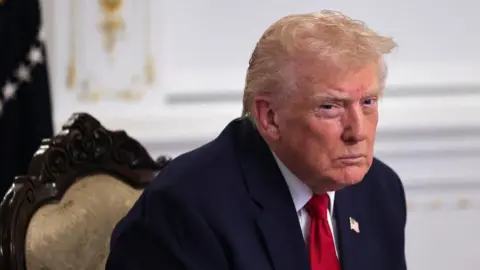
In a significant court battle, President Trump is working to safeguard his administration's trade policies, particularly the extensive tariffs imposed on China and various U.S. partners. Recently, a federal court declared many of these tariffs illegal, posing a serious challenge to Trump’s trade agenda. However, a silver lining emerged when an appeals court granted a temporary freeze on the court's decision, allowing Trump to sustain numerous tariffs currently in place against China, Canada, and Mexico.
This judicial reprieve offers the Trump administration some breathing room to continue exerting pressure on trade partners with suggestions of eventual reciprocal tariffs. The suspensions of these rates were first introduced in early April, highlighting the volatility of international trading relations under Trump’s strategy.
Experts in trade have expressed concern and confusion over the implications of the recent court decisions. With over a dozen nations opening negotiations with the U.S. administration, their discussions center around lifting tariffs in exchange for reductions in the taxes and restrictions these countries impose on American exports.
The ongoing scenario illustrates the judiciary's significant role as a counterbalance to presidential power, particularly following a series of legal challenges Trump has faced in the early days of his second term. In fact, courts have ruled against many of the initiatives undertaken by the Trump administration, tallying at least 180 adverse rulings. The ultimate resolution of this tariff conundrum is likely to transition to the Supreme Court, setting the stage for an even broader examination of executive trade authority.