In brief
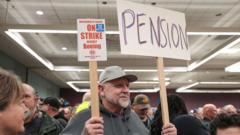
In a crucial vote on Wednesday, 33,000 unionized machinists will decide whether to accept Boeing's new contract proposal, which features a 35% wage increase over four years.
Boeing has made a revised offer to its striking machinists, which includes a proposed 35% pay increase over four years, aiming to bring an end to the ongoing strike that has lasted for over a month. Approximately 33,000 union members, primarily based in Seattle, are set to vote on this new offer on Wednesday, following a work stoppage that began on September 14. The strike has significantly impacted Boeing's production capabilities, currently halting the assembly lines for the Boeing 737 MAX and its 767 and 777 aircraft.The financial implications of the strike have led Boeing to declare a need for an additional $35 billion in funding and forecasted layoffs for 17,000 employees, representing around 10% of its workforce, scheduled for November. In a message to the workers, the union emphasized, "The future of this contract is in your hands," highlighting the importance of this decision.Last month, members of the International Association of Machinists and Aerospace Workers (IAMAW) rejected an initial contract that proposed a 30% wage increase, arguing it did not sufficiently address their cost-of-living expenses. The union initially sought a 40% wage increase alongside the reinstatement of a defined-benefit pension plan, which ensures a specified income post-retirement. Although the current offer is more aligned with their salary expectations, it falls short of reinstating the desirable pension plan. Nonetheless, it does include a $7,000 signing bonus should the workers accept the deal, as well as an incentive plan and enhanced retirement contributions, featuring a one-time $5,000 contribution and up to 12% from employer contributions.The ongoing strike has drawn the attention of the Biden administration, with Acting US Labor Secretary Julie Su meeting with union leaders and Boeing executives in Seattle to advocate for a resolution. Boeing's role in the US economy underlines the urgency for a settlement, especially amid lingering scrutiny over recent safety incidents involving its aircraft. In resigning from its previous contract, Boeing has faced legal consequences, including a guilty plea regarding a fraud conspiracy linked to the tragic crashes of two 737 MAX planes that claimed 346 lives. As Boeing navigates these challenges, the outcome of the workers' vote could significantly impact the company's future operations.