In brief
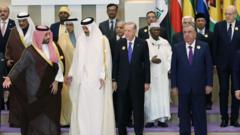
In an unprecedented rebuke, Saudi Crown Prince Mohammed bin Salman has described Israel's actions in Gaza as "genocide,” marking a significant escalation in the Kingdom's public stance towards the Israeli-Palestinian conflict. Speaking at a recent summit that brought together Muslim and Arab leaders, the Crown Prince condemned not only the attacks in Gaza but also Israeli military operations in Lebanon and Iran, underlining growing tensions in the region.
This marked the harshest criticism of Israel by a Saudi official since the outbreak of war triggered by Hamas's attack on October 7, which resulted in the deaths of approximately 1,200 people in Israel and subsequent retaliatory strikes by Israel that have reportedly killed over 43,400 in Gaza, predominantly civilians, as per health ministry sources. The Saudi foreign minister, Prince Faisal Bin Farhan Al-Saud, echoed the prince’s sentiments, lamenting the international community's failure to halt the conflict and accusing Israel of aggravating humanitarian crises in the area.Amid these discussions, leaders called for a comprehensive withdrawal of Israeli forces from both the West Bank and Gaza. The summit also highlighted discontent regarding Israel's ongoing military actions against United Nations staff and facilities in Gaza. Echoing international concerns, several countries, including the US and UK, expressed apprehension over recent legislative moves by Israel aimed at curtailing the operations of the UN Palestinian refugee agency (Unrwa) in the region.As the backdrop for the summit, speculation looms regarding the possible return of Donald Trump to the White House, a development that Gulf leaders hope could facilitate stability in the region. While Trump is viewed favorably within Saudi Arabia compared to President Biden, his past policies in the Middle East have sparked controversy. Attention remains on how the dynamics may shift should Trump continue to exert his influence in the ongoing conflicts. Amidst the critique of Israel, optimism persists concerning future diplomatic relationships, as leaders set their eyes on potential progress amidst the complex political landscape.