In brief
Ukrainian authorities say 18 people were killed and 27 are missing in a Russian air strike on Komyshuvakha. President Zelensky confirmed 10 bombs hit a humanitarian aid school, and five were wounded. Separate releases from the city council secretary record missing persons. Other reports, including Pravda and AP, state 26 people died, with five injured. Rescue efforts continue.
In the southern settlement of Komyshuvakha, located in Ukraine’s Zaporizhzhia region, a Russian aerial assault on November 2 left a scarred community grappling with loss and uncertainty. Ukrainian officials have reported that 18 people were killed and 27 others are missing following the strike.
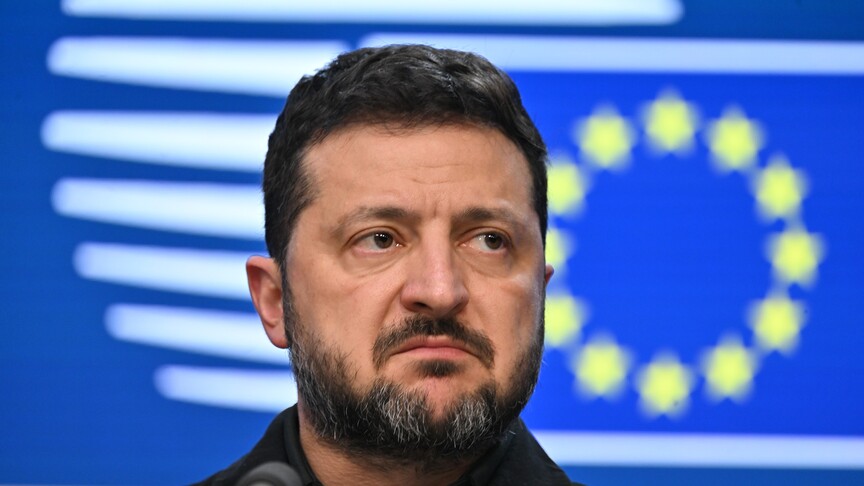
President Volodymyr Zelensky, addressing the nation on the X platform, said that ten aerial bombs struck a school where individuals were receiving humanitarian aid. He added that the same attack killed 18 people and left five wounded.
Regina Harchenko, secretary of the Zaporizhzhia City Council, confirmed on social media that 27 persons had been listed as missing after the attack. Her post indicated that search and rescue teams had been mobilized to the site of the bombing.
The strike was described by Ukrainian authorities as an “aerial bomb attack” that struck the settlement’s infrastructure, including the aid distribution centre and a nearby shelter. Reports from the local council noted that the properties damaged were part of a humanitarian outreach effort.
In addition to the fatality toll, five individuals were reported wounded by the same source. The injuries included both civilians and emergency responders who were present at the aid site at the time of the attack.
However, other media outlets have presented a differing figure for the number of deaths. A report from the Ukrainian news portal Pravda stated that 26 people, including police officers and first responders, were known to have been killed in the strike, with five injured and 27 declared missing. A concurrent, briefly available AP News article echoed the 26‑death figure, citing Ukrainian authorities’ confirmation of casualties at an aid distribution centre and adjoining shelter.
With these conflicting accounts, Ukrainian officials have not yet provided a definitive explanation for the discrepancy in death counts. While the numbers of injured and missing remain consistent across reports, the varying fatality figures highlight the challenges of obtaining accurate casualty tallies in a conflict setting.
Rescue operations at Komyshuvakha are reportedly ongoing. Harchenko’s Facebook post mentioned that search parties continued to comb the debris, seeking survivors trapped in the rubble of the damaged school and shelter structures.
Impact on Local Relief Efforts
The bombing of the aid hub has disrupted coordinated relief efforts in the region. Workers who were providing humanitarian support, including food, water, and first‑aid supplies, were among those affected. The disruption has prompted appeals from relief organisations for damage assessments and for reinforcing security around aid sites.
The incident further underscores the risks faced by civilians and aid workers in Ukraine’s contested territories, where air attacks target infrastructure deemed critical for relief operations. Ukrainian officials have reiterated the need for tighter protection of humanitarian sites and have called for international scrutiny of the use of force in populated areas.
As the investigation continues, Ukrainian authorities and local officials await confirmation and potential forensic evidence that could clarify the exact circumstances of the strike, including the origin of the bombs, the flight paths, and the target designation. The evolving casualty figures remain a focal point in the media coverage of the conflict’s humanitarian dimension.