In brief
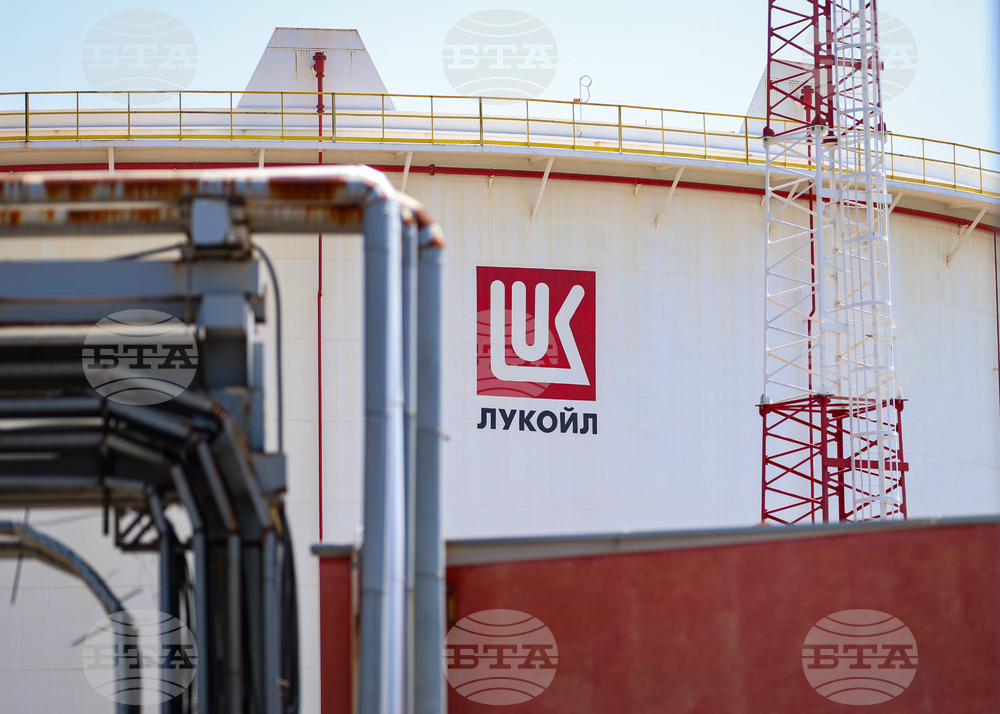
On 28 October 2026, the UK Treasury announced it would extend a general licence, which permits Lukoil Bulgaria’s subsidiaries to carry out payments and other normal business activities until 26 February 2027. Bulgarian officials said the extension helps maintain stable crude oil supplies and the continuous operation of the Burgas refinery. The decision follows similar extensions by the United States and follows an ongoing dialogue between Bulgarian and British authorities.
London, 28 October 2026 – In a move aimed at sustaining oil supply and refinery operations in Bulgaria, the United Kingdom’s Treasury announced that it had extended a general licence for several Lukoil Bulgaria entities until 26 February 2027. The licence, first granted on November 14, 2025, is intended to allow the subsidiaries – Lukoil Bulgaria EOOD, Lukoil Neftochim Burgas AD, Lukoil Aviation Bulgaria EOOD, and Lukoil Bunker Bulgaria EOOD – to make payments and conduct other transactions related to their normal business activities without triggering UK sanctions.
The announcement appeared in a document published on the UK Treasury’s Office of Financial Sanctions Implementation website. The licence has been renewed on multiple occasions, most recently on 28 October 2026, according to the same document. It enables the companies to interact with counterparties and financial institutions that are subject to sanctions, thereby preventing breaches of the UK regime.
Official Reaction in Sofia
Bulgaria’s Ministry of Economy, Investment and Industry welcomed the licence extension as a key step toward “ensuring stability and predictability for the companies’ operations in Bulgaria, as well as security of crude oil supplies and the uninterrupted operation of the Burgas refinery,” according to a statement released on the ministry’s website.
Boris Poulev, Deputy Prime Minister and Minister of Economy, Investment and Industry, explained the strategic importance of the extension. He said: “The licence extension is the result of active dialogue at government level under Prime Minister Rumen Radev and talks with our British partners and the British Embassy in Sofia.”
“British insurers are crucial to the functioning of the supply chain, providing insurance for more than 90% of the tankers delivering crude oil. Maintaining the ability to work with British companies and UK‑linked partners is an important condition for ensuring continuity of operations,” he added.
Minister Poulev continued that the Bulgarian government would keep working closely with international partners to safeguard supplies and protect the stability of the Bulgarian economy and consumers.
The UK decision comes against a backdrop of multiple sanctions. In addition to the UK sanctions, Lukoil’s Bulgarian subsidiaries are also subject to U.S. restrictions. Earlier this month, the U.S. Department of the Treasury extended an authorization for certain transactions involving Lukoil’s Bulgarian subsidiaries until 24 April 2027, allowing them to engage in limited business with U.S. entities under a separate framework.
The licence extension is expected to have wide-reaching implications for the country’s oil sector. It ensures that the Burgas refinery – a key processing hub for crude oil in the Black Sea region – remains operational, reduces the risk of supply disruptions, and supports the broader energy security of both Bulgaria and neighboring markets.
By maintaining a legal pathway for transactions, the UK is facilitating the continued flow of oil that is critical to domestic and regional consumption. The alignment between U.K. and U.S. authorities signals a coordinated approach to managing sanctions on Russian‑linked energy assets while protecting market stability.