In brief
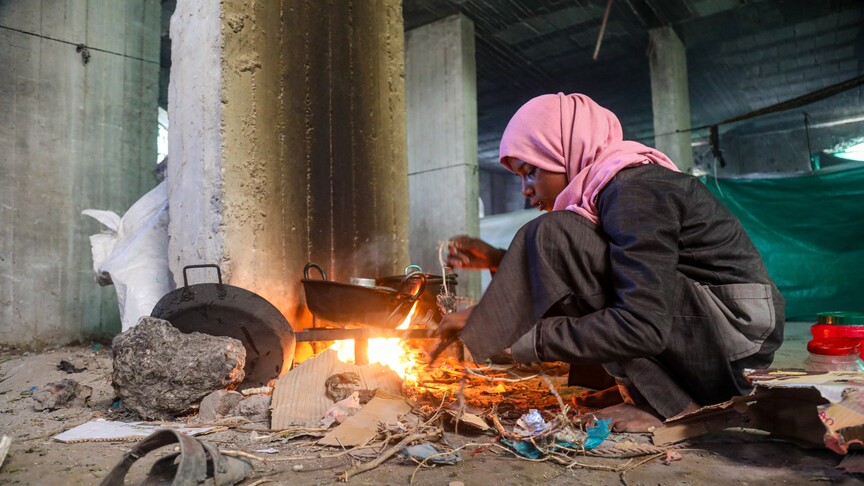
As Sudan grapples with a devastating humanitarian crisis, over five million children have been displaced, facing acute hunger and violence. UN officials and local activists emphasize the urgent need for aid while highlighting the resilience of those affected.
In the war-torn landscape of Sudan, the plight of children seeking safety is overwhelming. More than five million children have fled their homes amidst the ongoing conflict, making it one of the world's worst humanitarian crises. At the heart of this crisis is a 13-year-old boy named Mahmoud, an orphan who has been abandoned and displaced multiple times. Despite the brutal reality he faces, Mahmoud’s dream is to become a state governor so he can help rebuild the homes destroyed by conflict.UN humanitarian chief Tom Fletcher recently undertook a field mission to Sudan, focusing on the struggles of the Sudanese people, particularly the children. “This crisis is not invisible to the UN,” Fletcher stated, outlining the stark reality that more than half of Sudan's population, about 25 million people, are in desperate need of assistance. His mission aimed to bring attention to Sudan's situation, especially as global attention shifts to other crises in regions such as Gaza and Ukraine.Upon visiting an orphanage in Kassala, which houses nearly 100 displaced children, Fletcher witnessed firsthand the ramifications of the violence that erupted between the Sudanese army and the paramilitary Rapid Support Forces (RSF). The children in the orphanage had been forced to flee their previous shelter, embodying the ongoing cycle of displacement faced by millions in Sudan.Living with continuous fear and unpredictability, Sudanese families battle daily for the most basic necessity: food. With significant issues surrounding food aid logistics, the delivery of assistance remains a Herculean task. Recently, Gen Abdel Fattah al-Burhan has allowed the UN to establish additional supply hubs to facilitate food distribution in severely affected communities, including regions controlled by the RSF. Yet criticism surrounds the UN’s handling of the crisis, as some argue that the organization has been constrained by political dynamics, particularly regarding the recognition of Gen Burhan's authority. In response, Fletcher emphasized the necessity of collaboration with all parties involved, expressing his determination to push for effective delivery of humanitarian aid.In addition to the escalating food crisis, humanitarian aid groups have raised alarms about the use of starvation and sexual violence as weapons of war. Fletcher’s visit coincided with the global campaign "16 Days of Activism" aimed at eradicating gender-based violence, a dire issue that has intensified in the chaotic context of war.Local activist Romissa highlighted the significance of local efforts, stating that the Sudanese people must come together to face their adversities. Meanwhile, initiatives like the Shamaa safe house offer sanctuary to vulnerable women and orphaned children, founded by Mama Nour, who herself once resided in an orphanage.As the situation in Sudan remains precarious, leaders like Mr. Fletcher strive to garner international support while fostering local resilience. "We need help," Mama Nour passionately declared, echoing the urgent plea of many Sudanese for compassion and assistance in their time of need.