In brief
A collision between a Renfe and an Iryo high‑speed train on Oct. 28 near Urda, Spain, resulted in 68 deaths and roughly 80 injuries, including two South Korean passengers. Spanish officials are investigating a computer‑controlled signal failure, while Prime Minister Pedro Sánchez declared a three‑day mourning period. Global heads of state sent condolences to King Felipe VI and the victims’ families.
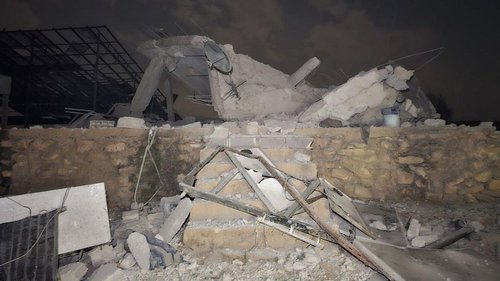
A high‑speed train collision near the town of Urda in Spain’s Toledo province on Wednesday, October 28, 2026, killed at least 68 people and injured nearly 80, according to Spanish and international sources. The crash, involving a Renfe AVE train traveling from Madrid to Seville and a stationary Iryo carriage, derailed two carriages that rolled into an embankment. The incident has prompted emergency services to work through the night under flood lights and a nationwide investigation into possible signalling and computer‑control failures.
Seoul’s foreign ministry confirmed that two South Korean nationals were aboard the trains, one of whom sustained minor injuries and was discharged after treatment, while the other remains hospitalized. The ministry said a total of 11 South Korean passengers were on board as of 6:40 a.m. Thursday, and that the South Korean embassy in Spain is in close contact with local authorities for additional casualty checks.
Spanish authorities immediately launched an investigation into the crash’s causes. Transport Minister Oscar Puente stated that a computer failure initially halted six moving trains, including the two involved, along a 40‑mile strip of track. He explained that, when a red signal remained in place, the control centre mistakenly authorised the Renfe train to proceed without speed restrictions:
"In the event of a system failure, the control centre takes over," Puente said, noting that the decision to allow the train to move again was made under "inexplicable circumstances."
Prime Minister Pedro Sánchez, speaking from the site at Urda on Thursday, declared a three‑day national mourning period from October 29 to 31. "Today the whole of Spain is grieving," Sánchez said, adding that the government would investigate to find whether negligence or system failures were involved. The Spanish government also announced a suspension of rail service on the Madrid‑Seville line until further notice.
A spokesperson for the regional government of Castilla‑La Mancha, Esther Padilla, explained to TVE that the trains were heading in the same direction when the following Renfe train struck the rear of the stationary Iryo carriage. Padilla said the impact caused the rear two carriages to derail and roll, adding that about 80 people were injured, roughly 50 serious and 15 critical.
International condolences have poured in. The United Arab Emirates’ President Sheikh Mohamed bin Zayed Al Nahyan sent a message of sympathy to King Felipe VI, wishing a speedy recovery for the injured. His Highness Sheikh Mohamed bin Rashid Al Maktoum and Sheikh Mansour bin Zayed also sent similar messages. Meanwhile, Saudi Arabia’s Crown Prince and Prime Minister Mohammed bin Salman sent a cable of condolences to King Felipe, expressing deep sympathy for the king, the families of the deceased, and the Spanish people and wishing swift recovery to the injured.
Earlier reports from the Kyodo News bureau in Tokyo suggested that two Japanese nationals may have been aboard a train involved in the crash, though the second‑hand nature of the information left details uncertain. The incident attracted additional scrutiny from rail operators; Iryo described the collision as a "struck from behind" event caused by unknown factors, while Renfe noted that sessions of investigate were underway and that rail service remained suspended until safety was assured.
The crash has spurred calls for enhanced safety measures on Spain’s high‑speed network. Trade union CSIF demanded that Transport Minister Puente step down following his comments about an "inexplicable" decision, citing prior warnings about excessive working hours for Adif staff. In contrast, Spanish defence officials point to a computer glitch exacerbated by human error as a probable trigger, urging the government to strengthen oversight of rail signalling protocols.
As emergency crews continue to search for survivors within the wreckage, the Spanish public has come together in vigour: the town council of Los Yebenes has supplied food and basic supplies for those affected, and residents of nearby villages have volunteered to support evacuees and provide first‑aid assistance. With the national mourning period underway and investigations brittle, the country watches the path forward with profound sorrow and cautious anticipation of changes in rail safety legislation.