In brief
The Supreme Court rejected the Justice Department’s emergency petition to block the counting of over 20,000 mail‑in ballots in California that the Trump administration claimed were cast by non‑citizens. The decision came only hours before the 2026 midterm elections and follows a series of lower‑court rulings that found the DOJ’s evidence insufficient. California’s governor warned that federal authorities could pursue further measures to disrupt the state’s vote‑counting process.
The U.S. Supreme Court declined a last‑minute emergency petition by the Trump administration to block California from counting more than 20,000 mail‑in ballots that officials say were cast by non‑citizens. The ruling came on Monday, November 2, just hours before midterm polls opened, and underscored the Court’s role in safeguarding the electoral process.
The Department of Justice had launched a lawsuit against California election officials on October 15, claiming that a large number of ballots were registered to potential non‑citizens. DOJ requested that California verify the names on the list and withhold those ballots until citizenship status could be confirmed. The emergency request was filed the same day the Court considered the petition.
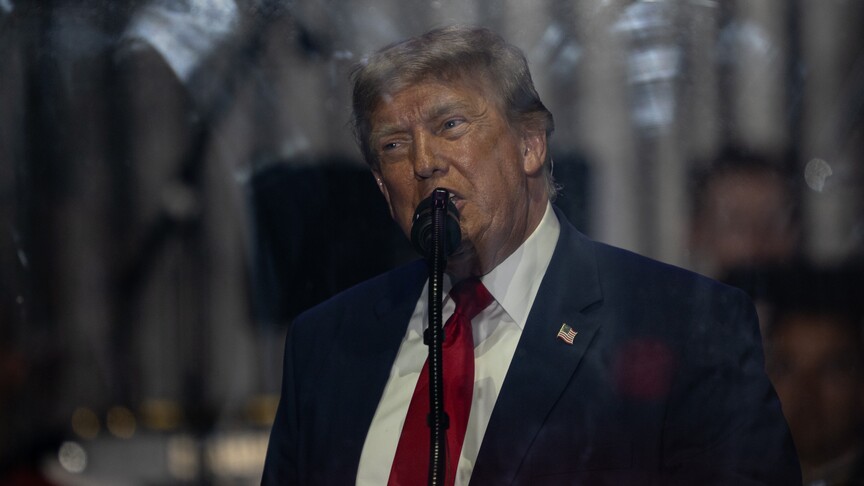
President Donald Trump shared a letter from acting U.S. Deputy Attorney General Trent McCotter on his Truth Social platform, stating that "knowingly facilitating" non‑citizen voting in federal elections is "unlawful" and voicing threats that California officials would face significant legal consequences. The letter also warned that the government would pursue further action against the state’s election officials.
"Knowingly facilitating non‑citizen voting in federal elections is unlawful," the letter said. "California election officials will all go to jail for a long period of time!!!"
Multiple federal judges had already rejected the Justice Department’s requests as unconstitutional. The Los Angeles Times highlighted that the DOJ’s list lacked a transparent verification methodology, making it impossible for California election officials to reject ballots based solely on unverified records. Those lower‑court rulings contributed to the Supreme Court’s decision to deny the emergency petition.
California Governor Gavin Newsom warned that the federal government could seek search warrants to obtain ballots and other election materials, potentially disrupting the state’s vote‑counting and certification process. Newsom’s statement came amid growing concern that federal involvement could interfere with the state’s established procedures for counting mail‑in ballots.
In a related development, a U.S. judge had ordered the Trump administration to stop demanding that California remove suspected non‑citizen voters from ballots. The judge’s ruling reinforced the judiciary’s stance that the DOJ’s demands lacked sufficient evidence and undermined established election rules.
The Supreme Court’s ruling was a swift response to the emergency petition, coming just before the start of polling. The decision came after the Court found that the DOJ’s complaint did not provide enough evidence to support a temporary halt to the ballot count. The Court’s refusal to grant the request preserved the integrity of the midterm election process in California, a key battleground state for the 2026 elections.
While the Justice Department continues its pursuit of non‑citizen voting allegations, the Supreme Court’s rejection, combined with lower‑court rulings, signals that the federal government will have to wait until post‑election investigations to address potential challenges to California’s electorate. The decision remains a pivotal moment in the ongoing debate over election integrity and federal intervention in state-level voting processes.