In brief
On World Cities Day, Riyadh announced a series of urban renewal initiatives that include expanding its metro network, creating new green spaces, and introducing public‑art projects. The release highlighted the city’s commitment to Vision 2030 and emphasized the preservation of historic landmarks such as Al‑Masmak Palace. These moves aim to link neighborhoods with business, culture, and entertainment while enhancing connectivity and environmental quality.
On World Cities Day, Riyadh unveiled a comprehensive urban renewal agenda that stresses improved infrastructure, environmental enhancement, and heritage preservation, according to the Saudi Press Agency.
Saudi Arabia’s capital is set to accelerate its Vision 2030 goals by linking residential neighborhoods with business, cultural, and entertainment hubs through a growing network of public transit and green spaces. The announcement tied the city’s development milestones to the global celebration of urban sustainability observed on October 31.
Metro and Mobility
The Saudi Press Agency reported that the Riyadh Metro, which currently spans 176 kilometres with 85 stations across six lines, will continue to be a cornerstone of the city’s transport strategy. The expansion is intended to improve mobility across neighborhoods, reduce traffic congestion, and support the fluid movement of residents and visitors alike.
Green Initiatives and Public Spaces
Under the Green Riyadh Program, the city plans to augment its green infrastructure by adding more parks, streetscapes, and tree‑lined boulevards. King Salman Park is projected to combine natural landscapes with cultural, sports, and recreational facilities, creating a significant destination for residents.
The Ministry also highlighted the importance of natural landmarks, noting Wadi Hanifah’s continued role as a major ecological and recreational site within the capital.
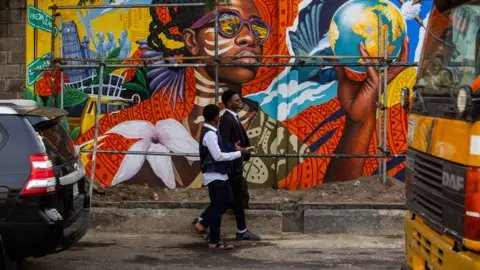
Additionally, the Riyadh Art project aims to bring public art to streets, squares, parks, and public facilities, enriching the city’s cultural life and offering residents new ways to engage with local creativity.
Heritage Preservation
While pushing forward with modern infrastructure, Riyadh is also committed to preserving its historic sites. Landmark Al‑Masmak Palace remains a centerpiece of the city’s heritage tour, alongside the traditional markets of Al‑Dirah.
These efforts are framed as part of a broader strategy to balance modernization with the retention of cultural identity as Riyadh steps into its role as a leading global city.
Economic and Financial Development
The city’s King Abdullah Financial District represents a new wave of economic development, showcasing contemporary office spaces and financial services designed to attract national and international investment.
The combined projects reinforce Riyadh’s ambition to transform it into a world‑class urban center that integrates modernity, environmental stewardship, and cultural heritage.