In brief
On 7 November 2026, two missiles struck Qeshm Island, prompting Qatar’s Prime Minister Sheikh Mohammed bin Abdulrahman bin Jassim Al Thani to urge the US and Iran to negotiate a peace deal without delay. The US State Department warned of increased Houthi attacks, while Iranian officials vowed retaliation and distributed iodine tablets to communities near nuclear sites.
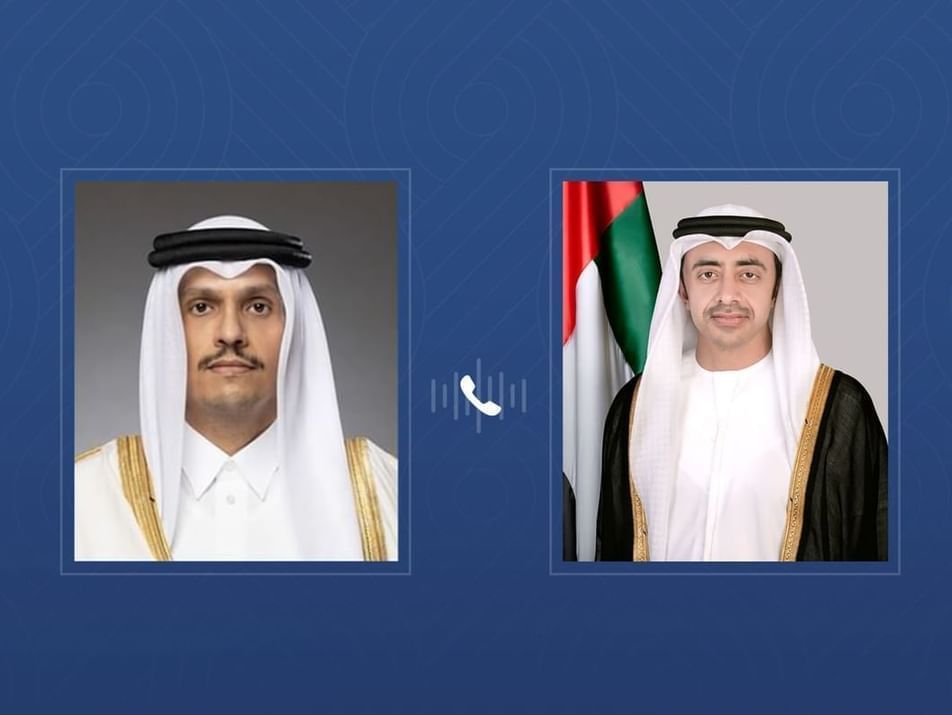
On 7 November 2026, two Iranian missiles struck Qeshm Island in the Strait of Hormuz, prompting a call from Qatar’s Prime Minister Sheikh Mohammed bin Abdulrahman bin Jassim Al Thani to both the United States and Iran to reach a peace agreement without delay, as reported by Al Jazeera.
The prime minister, speaking in an interview at Oxford University, cautioned that waiting for a “perfect moment” would be costly, urging leaders to avoid further escalation and to prioritize diplomatic solutions to end the conflict.
In the same hour, the U.S. State Department issued an alert to American citizens across the Middle East, warning of heightened threats from Yemen’s Houthi fighters and Iranian attempts to target U.S. officials. The notice urged travelers to check security alerts for flight cancellations, airspace closures, and other disruptions, and to remain vigilant in the region.
Iran’s official news agency IRNA confirmed that the two missiles were launched from Iranian territory and hit Qeshm Island, noting that local media reported no casualties. The strike, which occurred in the first hour of the day, has raised questions about the potential for broader retaliation from Tehran.
Parliamentary Security Chief Ebrahim Azizi responded by warning that the United States and Israel would face consequences for the war, promising a decisive Iranian response to any “mistake” and insisting that U.S. forces would not leave the region without “paying a price.” His remarks were covered by several regional outlets, emphasizing the nation’s readiness for further confrontation.
Following the missile incident, Qatar’s Emir Sheikh Tamim bin Hamad Al Thani reportedly called President Donald Trump to urge the United States to remain committed to diplomacy. Trump responded that talks between U.S. and Iranian representatives were underway, saying the conversations were progressing after the call with the Qatari leader.
Amid the tension, an Iranian security agency announced that iodine tablets were being distributed to communities near its nuclear facilities to prepare for any potential U.S. strikes. The Times of London reported on this distribution, noting the mounting precautionary measures taken by Tehran.
These developments underscore the fragility of the region’s security dynamics, as the U.S. and coalition forces continue to confront Iran while regional allies seek to prevent a renewed surge in hostilities. Qatar’s repeated appeals highlight a middle‑ground push for a swift diplomatic settlement amid escalating military postures.