In brief
The current hurricane season has seen an unusual spike in activity, emphasizing the intensifying effects of climate change as experts recount an alarming increase in rapidly strengthening storms.
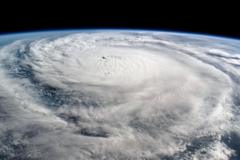
In an unprecedented display, this year’s Atlantic hurricane season has been a hectic one, with hurricanes rapidly forming and intensifying more than expected. Remarkably, in just under two weeks, five hurricanes formed, which is close to what is normally seen over an entire year. One pivotal moment was on July 2nd when Hurricane Beryl emerged as the earliest category five hurricane ever recorded in the Atlantic.Experts had predicted an “extraordinary” 2024 season due to warmer Atlantic temperatures. Interestingly, early September brought an unexpected lull during the typical peak, showcasing the unpredictability of these patterns. Overall, the season has produced nine hurricanes, surpassing the average.Warm tropical Atlantic waters and shifts in atmospheric conditions proved crucial for this activity. Still, the overall number of tropical storms matched the yearly average. Initial expectations had predicted more, especially given the region's increased sea surface temperatures due to climate change and natural cycles like the Atlantic Multidecadal Oscillation.Christina Patricola of Iowa State University noted the complexities of hurricane forecasting. A shift in the West African monsoon and increased Saharan dust hindered earlier development phases but did not detract from the continued threat due to persistently warm seas.In late September, storms intensified rapidly with most reaching hurricane status, fueled by very warm waters and favorable atmospheric shifts. Historical data indicated that such rapid intensification, where wind speeds quickly escalate, was rare. But this season defied norms, with several storms following this worrying pattern, limiting community preparation time.Notably, Hurricane Milton intensified by over 90mph in just 24 hours, showcasing a severe case of rapid intensification, worsened by climate change, as found by the World Weather Attribution group. This season, representing the tangible impacts of climate change, demonstrated how intense storms like Beryl, Helene, and Milton underscore warming oceans' role in amplifying hurricane energy potential.Looking forward, possible developments near the Cabo Verde Islands could signal more storms as high sea temperatures persist, promoting further activity. Possible La Niña conditions and changing atmospheric patterns further complicate forecasts.Ultimately, this season serves as a stark reminder of the warm seas' role in escalating storm intensity, something experts, like Kevin Trenberth from the National Center for Atmospheric Research, assert will worsen with continued global warming.