In brief
The olive harvest, an enduring symbol of Palestinian identity and economic livelihood, is increasingly endangered as violence, particularly from Israeli settlers, disrupts traditional practices and threatens local communities.
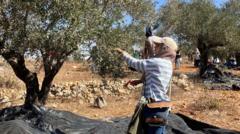
As olive trees begin to ripen in the West Bank, reports emerge of violent altercations, increased settler aggression, and responses from Israeli security forces that exacerbate tensions. In a tragic incident that underscores the perilous climate for Palestinian farmers, Hanan Abu Salameh, a 59-year-old grandmother, was fatally shot by an Israeli soldier while gathering olives near the village of Faqqua. Family members had coordinated their harvest with the Israel Defense Forces (IDF), yet they found themselves under fire, despite following protocols meant to ensure safety. “I watched my mother die on our land,” her son Fares lamented, expressing disbelief over the IDF's investigation into his mother’s death, as he holds little expectation for accountability.The olive harvest is not merely an agricultural activity; it is an integral part of Palestinian heritage and the economic backbone for many families. However, conditions are becoming grim. The United Nations reports that organized and systemic disruptions have made this season perilous for farmers. Many share harrowing tales of their harvests being sabotaged by Israeli settlers, who often employ violence to deter harvest activities. Omar Tanatara, a farmer from Umm Safa, shared his frustration, recalling instances when soldiers destroyed his harvest and forced him to leave his own land. “It feels hopeless, and sometimes we have no choice but to abandon harrowing efforts,” he explained as he sifted through a dwindling harvest.Amid ongoing threats, some Israeli activists attempt to provide safety and a sense of solidarity, though with limited success. Peace activist Zuraya Hadad recounted her own physical assault by settlers while attempting to assist farmers. Despite their well-intentioned support, she noted the pervasive danger that often leads to unpicked olives or stolen crops.The urgency for a resolution cannot be overstated — with the olive economy contributing over $70 million annually, any disruption can lead to severe economic repercussions. Factory owner Abd al-Rahman Khalifa highlighted a staggering drop in income for producers, indicating that continued violence shrinks harvestable yields and shrinks the economy in a community that relies heavily on olive production.As tensions rise, Israeli settlements continue to expand, primarily under the tacit approval of Israeli political figures. National Security Minister Itamar Ben-Gvir's encouragement of settlers has emboldened aggressive activities against Palestinian farmers, complicating an already volatile situation. The olive tree, a long-standing emblem of endurance and resistance against adversity, now stands under threat, with families across the region fearing for their livelihoods and cultural legacy. For the Palestinians, this harvest isn’t simply about yield — it's a connection to their land, community, and identity. As they face January's chilling realities, their collective hopes for a peaceful future remain precariously tethered to the fate of their olive harvest.