In brief
Luiz Inácio Lula da Silva’s dramatic return to the presidency in Brazil’s runoff has rattled U.S. expectations of a pro‑Trump bloc in Latin America. Lula’s fierce rhetoric against Washington, an initial trade dispute over tariffs, and his insistence on Brazilian sovereignty have drawn respect from a president who once said “I didn’t take sides.” Yet the election victory may still hurt ties with the United States, highlighted by the withdrawal of Brazilian visas, the resurgence of U.S. tariffs, and disputes over tech and payment systems. As Brazil’s economy and mineral reserves continue to weigh on U.S. interests, the relationship remains a tightrope walk between diplomatic accord and political friction.
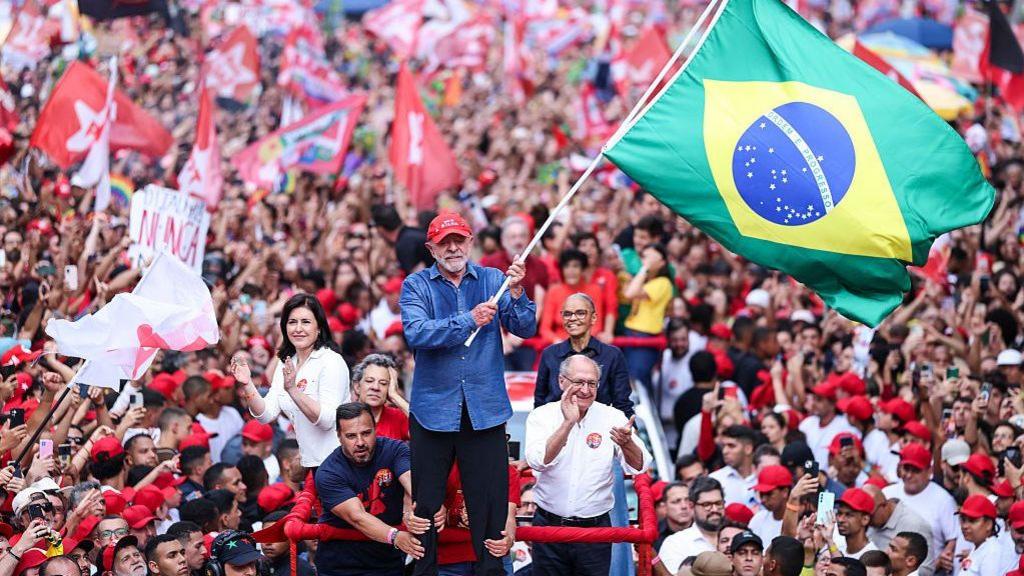
“Brazil will not accept being anyone’s backyard,” the former union leader declared in his victory speech, a message aimed straight at Washington.
While domestic elections rarely hinge on foreign policy, Lula’s defiance of what he called U.S. interference struck a patriotic chord that proved an effective campaigning tool.
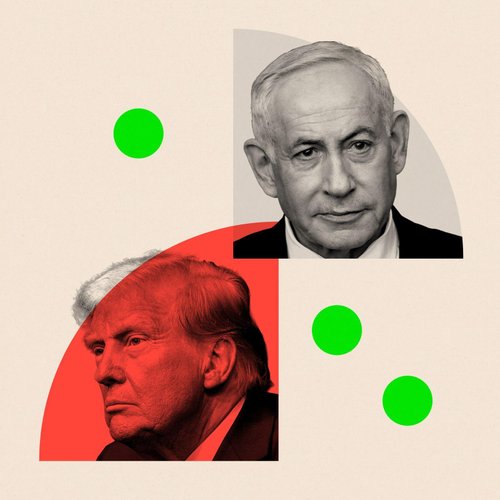
Paradoxically, even Donald Trump, who has at times praised a “strong leader,” publicly expressed admiration after the poll: “I like Lula, we get along well.” Yet he also called the result “terrible” and “rigged,” dredging up earlier tariff disputes imposed on Brazil for the 2024 judicial crisis involving ex‑President Jair Bolsonaro.
Relations between the two leaders were almost at a break‑point at the start of the campaign. Lula once said he had no relationship with Trump and had never spoken to him. Rather than play cautious, Lula waded into fierce speeches on Brazilian sovereignty, slammed the U.S. over judicial interference, and wore a “Brazil belongs to Brazilians” cap. These steps lifted his approval ratings and forced the U.S. to roll back punitive tariffs.
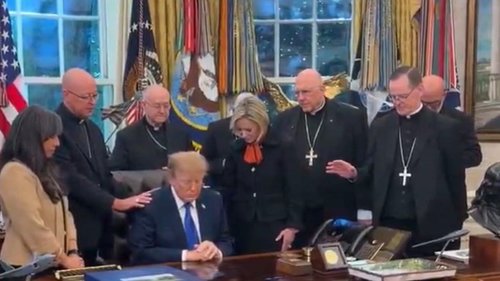
Eventually the leaders found common ground: they spoke at the United Nations and later met in the Oval Office—Trump described the talks as “very good” and Lula as “very satisfied.” Their diplomatic rapprochement also reflected a larger trend of Latin American leftists questioning U.S. interventionism after a decade of U.S. “Shield of Americas” and “Donroe Doctrine” initiatives.
However, the victory may still influence future U.S. policy. Brazil’s recent ex‑ports to the U.S. and its wealth of rare‑earth minerals make it a key economic partner, also a strategic one. The U.S. has expressed interest in preferential access to these resources. Yet Brazil has also refused to allow two U.S. state‑department officials to visit after alleging interference in its electoral process, prompting the U.S. to revoke a Brazilian ambassador’s visa.
Lula’s scepticism over U.S. military actions in the region—particularly the seizure of Venezuelan President Nicolás Maduro and bombing of alleged drug‑trafficking vessels—has added strain. He has also criticized Washington for designating Brazilian gangs as terrorist organisations after lobbying from the Bolsonaro family. Additional friction surfaces over tech issues: Meta was accused of favouring Flávio Bolsonaro, and Brazil’s instant payment system Pix competes with Visa and Mastercard, irritating the U.S. financial sector.
Despite these tensions, the U.S. remains Brazil’s second‑largest trade partner after China. For now, the two leaders appear to be keeping the relationship functional, but any serious scandal—whether in elections, tariffs, or political interference—could re‑ignite conflicts and jeopardise the relatively smooth diplomatic path created in 2024.