In brief
On 1 November 2026, President Donald Trump said the United States could resume strikes against Iran at some point, triggering a warning from Iranian Army spokesman Mohammad Akraminia that a renewed conflict would be larger and longer-lasting and could potentially target U.S. assets worldwide. Mixed signals from the White House, Netanyahu’s push for immediate action, and recent diplomatic moves underscore mounting tension.
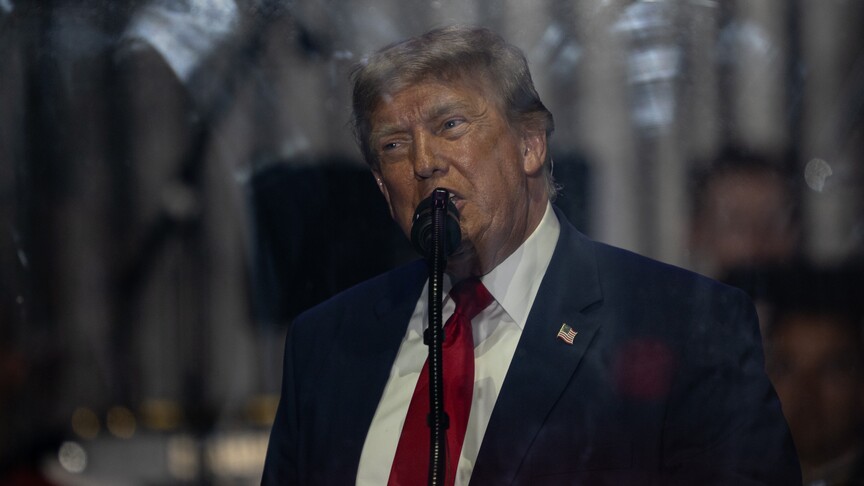
On Sunday, November 1, 2026, President Donald Trump signaled that the United States might resume strikes against Iran at some point, setting off a warning from Iranian forces that any renewed conflict would be larger and longer than previous ones. The statement came during a rally in Iowa ahead of the November 3 mid‑term elections.
During the rally, President Donald Trump told supporters:
"At some point, we’re going to have to give them the hammer."
Trump also emphasized that his reluctance to end the conflict now was motivated by a desire to save lives where possible, adding that the decision to strike would come at a later date.
In response, Iranian Army spokesperson Mohammad Akraminia warned that any U.S. aggression would prompt a swift, decisive reaction on a larger scale than before, extending beyond West Asia. He stated:
"U.S. facilities, equipment, personnel, and interests could be targeted wherever they are within reach."
Akraminia further indicated that a potential new conflict could "last considerably longer" than previous clashes, emphasizing the risk of a protracted engagement.
Earlier that week, a phone conversation between Trump and Israeli Prime Minister Benjamin Netanyahu was reported by Axios. Netanyahu urged that the United States strike Iran immediately after the mid‑term elections, a view that Trump reportedly resisted, preferring to allow negotiations to continue. The call highlighted divergent views within the U.S. administration on the timing of military action.
On Thursday, Vice President JD Vance sent a letter directed at Tehran—issued at Trump’s direction—calling for a resumption of peace negotiations. Iranian officials described the letter as a "good sign" in a letter to the press, signalling mixed diplomatic signals from Washington.
Senior U.S. military officials briefed President Trump on Thursday about possible options regarding Iran, though the briefings focused on strategic options rather than overt action. Concurrently, the United States urged several Gulf countries to prepare for a possible brief but intense military campaign against Iran following the mid‑term elections.
In a separate statement released Saturday, Iran’s Supreme Leader Mojtaba Khamenei instructed senior military commanders to ensure that any threat from the "enemies," regardless of its nature or scale, would be met with an "immediate and effective" response without geographical limitations.
The contrasting narratives—Trump’s measured stance on negotiation, Netanyahu’s push for swift action, the Iranian warning of an expanded conflict, and the White House’s diplomatic outreach—illustrate a volatile environment in which future U.S. policy toward Iran remains uncertain. As each side articulates its position, the potential for escalation or de‑escalation hinges on the unfolding of diplomatic and military developments in the coming weeks.