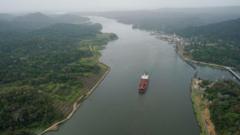
Panama has countered recent claims made by the United States regarding the transit of government vessels through the Panama Canal. The U.S. State Department stated on social media platform X that its ships "can now transit the Panama Canal without charge fees," which would supposedly save the U.S. government millions annually. However, the Panama Canal Authority (ACP) swiftly refuted this assertion, emphasizing its independence in establishing tolls and confirming that no fee adjustments had been made.
Amid these developments, U.S. President Donald Trump has intensified his rhetoric, expressing a continued desire to seize control of the crucial waterway, pivotal for international trade. The 51-mile (82km) canal is a vital connector between the Atlantic and Pacific oceans, facilitating the passage of numerous vessels annually.
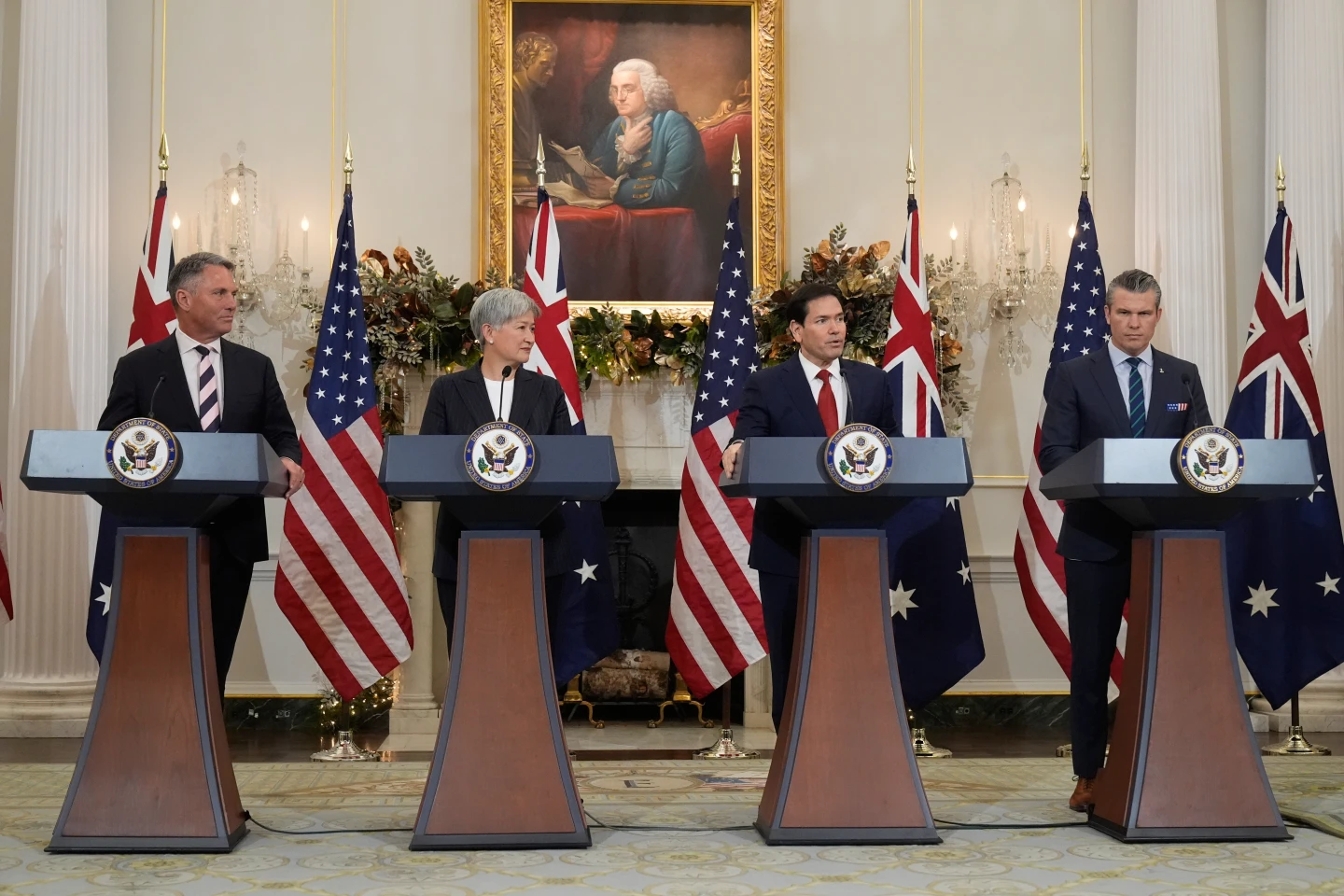
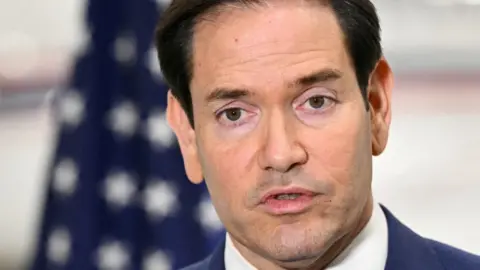
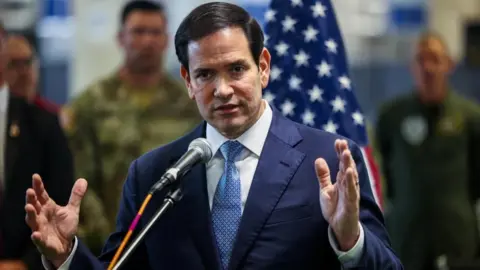
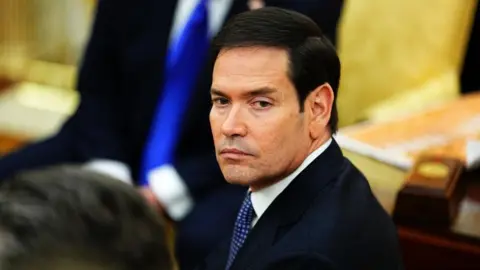
Secretary of State Marco Rubio, on a recent tour of Latin America, urged Panama to make immediate changes concerning what he referred to as Chinese "influence and control" over the canal. Rubio's comments came after discussions with Panama's President José Raúl Mulino and Ricaurte Vásquez Morales, the canal's administrator. Following these meetings, the ACP reiterated its commitment to collaborate with the U.S. Navy to enhance transit priorities for U.S. vessels.
According to canal authorities, U.S. ships constitute a significant percentage of canal traffic, with 52% of transits in 2024 linked to U.S. ports. The canal is a popular route, enabling around 14,000 ships each year to bypass the lengthy journey around South America.
In his inaugural address, Trump declared intentions to "take back" control of the canal, stating that Panama had "broken" neutrality promises, a statement that President Mulino firmly opposed. He reaffirmed that the Panama Canal "is and will remain" under Panamanian jurisdiction and dismissed claims of Chinese influence, asserting that no foreign nation interferes with Panama's administration of the canal.
Originally constructed by the U.S. in the early 20th century, the canal was gradually relinquished to Panama following the 1977 treaty initiated by President Jimmy Carter, a decision Trump previously criticized as a "big mistake."