In brief
At the ongoing COP29, Azerbaijan’s President has sparked controversy by labeling fossil fuels as a "gift of god," emphasizing the nation’s right to cultivate its natural resources amid backlash regarding climate change emissions.
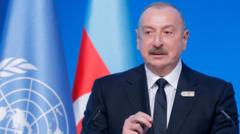
Azerbaijan's President Ilham Aliyev, during a session at COP29, defended his country's continued investment in fossil fuels, labeling oil and gas as a “gift of god.” His remarks came in response to accusations from Western nations regarding Azerbaijan's role in global emissions, which he downplayed as minimal, stating that the nation accounts for merely 0.1% of global gas emissions. In stark contrast, UN Secretary-General António Guterres condemned the push for increased fossil fuel consumption as "absurd," highlighting the urgent need for a transition to renewable energy sources.Aliyev’s statements were met with skepticism, particularly following the appointment of a former oil executive to lead the conference's operations. There are concerns that COP29 is being leveraged to promote investments in Azerbaijan’s oil and gas sector despite widespread recognition of fossil fuel-related emissions as key contributors to climate change. UN Secretary-General Guterres, addressing the conference, emphasized the urgency of the climate crisis, urging for new financial commitments from wealthier countries to support developing nations. He characterized 2024 as a pivotal year for the climate agenda and articulated the necessity for cooperation to achieve a $1 trillion goal for climate finance aimed at mitigating impacts on poorer nations struggling with climate change effects.Azerbaijan is faced with scrutiny as global climate talks take place against the backdrop of ongoing disasters exacerbated by climate change. Leaders from several major polluting countries have opted out of attending the conference, raising questions about the commitment of wealthier nations to assisting those most affected by climate challenges.The event, set to conclude on November 22, is characterized by contentious discussions surrounding financial responsibilities and the future of energy policies in light of pressing climate imperatives.