In brief
Sydney's beaches faced closures due to unsightly blobs identified as a mix of sewage, oil, and drugs, raising public health concerns.
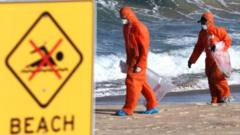
In October, beachgoers in Sydney faced an unwelcome surprise when lifeguards at Coogee Beach identified sticky black balls littering the sands. Initially thought to be innocuous tar balls, investigations by local scientists unveiled a more troubling truth: these objects were a repugnant blend of human waste, cooking oil, chemicals, and illicit substances.Starting from October 16, the presence of these unsightly deposits prompted the closure of eight popular beaches, including the iconic Bondi, and initiated a large-scale clean-up effort. Chief chemists conducted tests revealing that the materials likely resulted from a sewage spill, though the precise source remains unidentified. Authorities in New South Wales (NSW) were initially led to believe the blobs were a mixture of fatty acids, industrial oils, and pollutants from cleaning products. However, more detailed analysis concluded that the strange formations could not be traced solely back to oil spills or shipping waste. Each individual blob showed variation in texture, featuring a hardened outer shell adorned with sand and minerals, while maintaining a softer interior.Inside these unpleasant deposits were an assortment of substances, ranging from cooking oil and soap residue to blood pressure medication, pesticides, hair, methamphetamine, and other veterinary drugs. "They are absolutely disgusting, worse than anything you’ve ever smelled," remarked lead investigator Associate Professor Jon Beves from the University of NSW in an interview with 9News.Professor William Alexander Donald likened the blobs to "fatbergs," large masses of fat and grease that typically form in sewage systems. The revelation that these materials contained drugs and industrial chemicals steered researchers towards urban sewage sources. Sydney Water has clarified that its waste systems are not currently beset with any known problems, indicating that the cause of this baffling phenomenon remains complex and multifaceted. Interestingly, reports of similar smaller blobs appearing on local shores over the past two years have also been noted, although they remain unverified.