In brief
Hyrox is rapidly gaining popularity among Generation Z and young millennials, with participants like Allana Falconer investing thousands in competitions. From pricey entry fees to high-end fitness gear, this fitness challenge is more than just a race; it's a lifestyle that is shaping identity. As the community grows, so do the expenses, sparking discussions about the evolving nature of fitness culture, especially among younger cohorts.
Hyrox is a fitness craze that shows no signs of dying out - with 1.3m people expected to compete in an event somewhere in the world this year.
The competition, which is split between running and fitness exercises, has proven particularly popular with young millennials and Generation Z - people in their twenties to early forties.
Its rapidly growing popularity has been attributed to social media.
Fashionable looks are often a non-negotiable for competitors, with many choosing to compete in high-end fitness brands, matching their outfits with their team members.
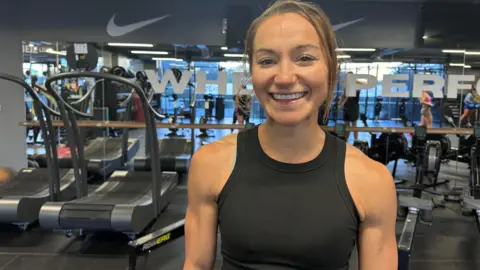
Allana Falconer, who works in sustainability and started competing in 2023, says she has fallen in love with it.
She has competed in 20 different races across six countries and 12 different cities.
All my holidays revolve around Hyrox or I incorporate events into holidays, she tells the BBC World Service.
The 29-year-old says the most she has spent so far was £2,000, when she travelled to Chicago for the World Championships last year.
Exercise is part of their identity
Evgenia Koroleva, the founder of ONE LDN gym, understands the financial burden of serious competition participation, estimating costs for a weekend could reach between £500 to £1,000, including travel and ticket prices.
A thriving Hyrox community is emerging, reflecting a cultural shift in spending on fitness among younger generations. From mara-cations to justifying high expenses as part of their fitness identity, Gen Z is redefining what it means to be active, with many prioritizing fitness gear over traditional leisure expenditures.
Despite some criticism regarding the costs associated with Hyrox, most athletes feel these reflect the serious nature of the events. The rise of social media and fitness culture has made these events incredibly engaging, but they also raise concerns about overtraining and accessibility for newcomers.
Amid these discussions, participants like Jorell Hill are finding community and a new lifestyle, with his races taking precedence over traditional leisure activities. The growing trend represents a unique fusion of fitness, competition, and identity for a generation determined to prioritize health.