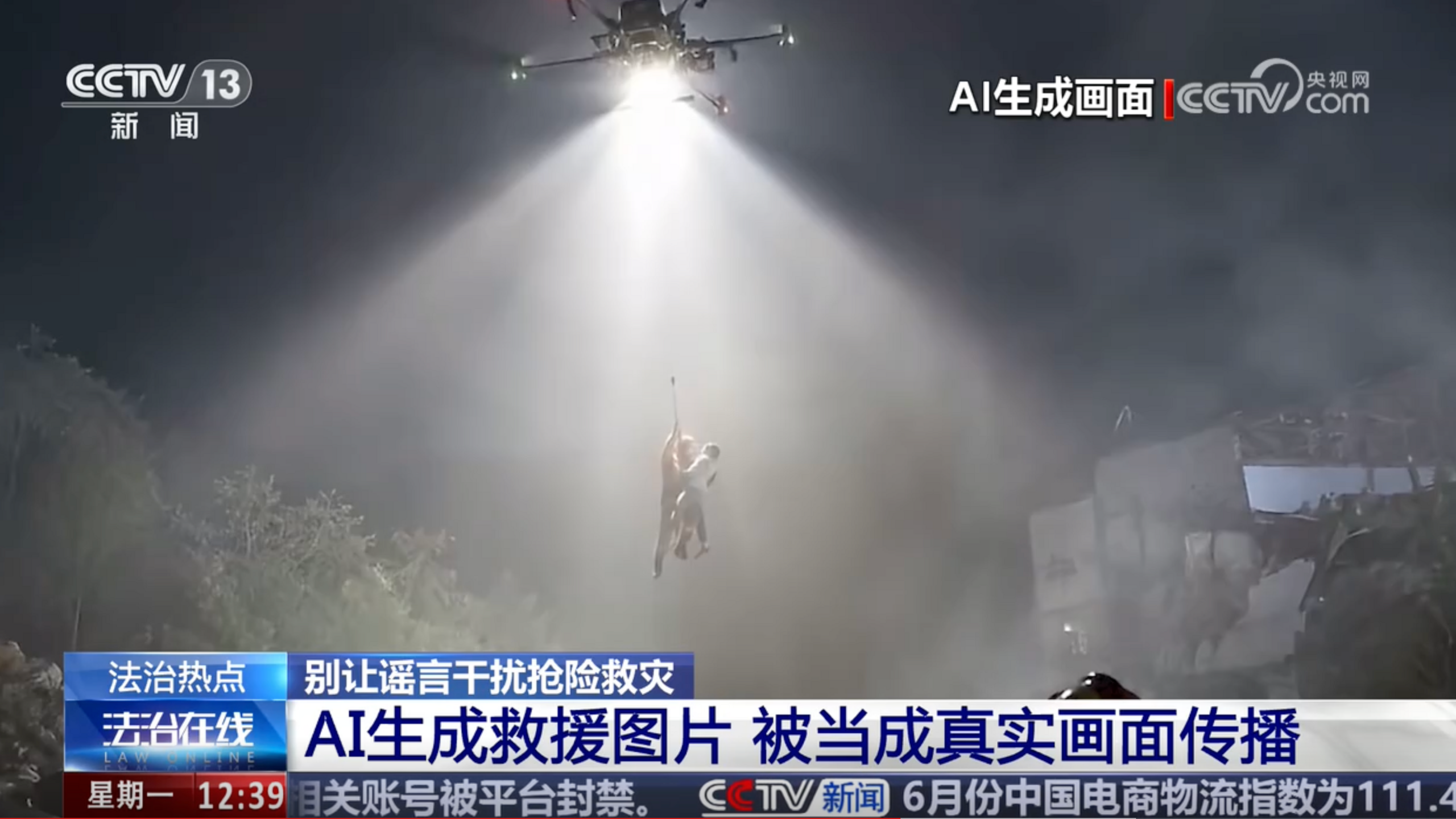
Researchers warn that YouTube is amplifying AI-generated political misinformation ahead of crucial electoral cycles worldwide. Digital-forensics teams monitoring elections have noted that the platform’s algorithms are promoting deepfake videos that can reach millions before being flagged, highlighting a significant challenge in combating rapidly evolving AI content.
Ben Colman, CEO of Reality Defender, expressed concern with the comment, “It’s very difficult for platforms to catch everything. The speed at which AI content is being created is outpacing the guardrails.”
YouTube maintains that it actively removes manipulated election content and labels synthetic or altered materials appropriately. However, analysts have pointed out that the enforcement often lacks consistency, leading to an acceleration of misinformation that goes unchecked for significant periods.
As analysts observe, some deepfake videos get removed almost instantly, while others, particularly those targeting politically sensitive regions, can remain online for days, casting doubts on the platform's moderation transparency. Sam Gregory from WITNESS warns, “We’re entering an era when people can’t tell what’s real — and platforms aren’t ready for that scale of confusion.”
European regulators have begun seeking detailed data from YouTube on how it handles political content and the measures taken against synthetic media. With the potential for coordinated misinformation campaigns during elections, experts urge immediate and robust interventions to close the gap in content moderation to prevent YouTube from becoming a vector for political deceit.
A final commentary from an analyst encapsulates the urgency: “This isn’t the future — this is already happening, and it’s accelerating.” With the implications of AI on political integrity at stake, YouTube faces a critical test as misinformation continues to evolve.