In brief
As Australia enforces its pioneering social media ban for users under 16, many teenagers are finding themselves unexpectedly locked out of their accounts. While this legislation, championed by Prime Minister Anthony Albanese, intends to safeguard children's well-being, it faces criticism from both teens who feel disconnected and tech firms concerned about compliance challenges. Authorities anticipate potential workarounds as they monitor the ban’s effectiveness across major platforms.
Australia's world-first social media ban for children has taken effect, with throngs of teenagers waking up to find their accounts have gone dark.
Others tell BBC they have already snuck past barriers and will continue scrolling and posting freely until they are caught.
The new law means social media firms - including Meta, TikTok and YouTube - must take 'reasonable steps' to ensure Australians aged under 16 don't hold accounts on their platforms.
The ban, eyed with excitement by global leaders and trepidation by tech companies, was justified as necessary to protect children from harmful content and algorithms - though critics have argued blanket prohibition is neither practical nor wise.
This landmark policy has been one of Prime Minister Anthony Albanese's pet projects, and speaking to media on Wednesday he said he believed it has the power to change lives around the world.
'This is a day in which my pride to be prime minister of Australia has never been greater,' he said, flanked by parents and media figures who had pushed for the ban.
'This is Australia showing enough is enough.'
'I think it will go [down] with the other great reforms that Australia has led the world on.'
Various governments, from the US state of Florida to the European Union, have been experimenting with limiting children's use of social media. But, along with a higher age limit of 16, Australia is the first jurisdiction to deny an exemption for parental approval in a policy like this - making its laws the world's strictest.
Countries like Denmark, Malaysia, Singapore, Greece and Brazil are among those who have said they're looking at Australia as a test case.
The Australian government has named 10 social media platforms as a start, including all of the most popular ones, but has also warned others it's coming for them next.
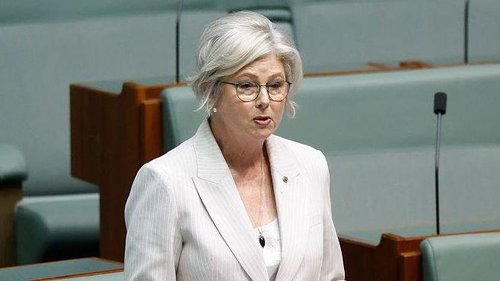
Online safety regulator, Julie Inman Grant, said her agency will start checking compliance from Thursday. Parents and children won't be liable under this law, only social media firms, which face fines of up to A$49.5m ($33m, £24.5m) for serious breaches.
'Tomorrow, I will issue information notices to the 10 major platforms and we will provide information to the public before Christmas on how these age restrictions are being implemented and whether, preliminarily, we see them working,' she said.
Polling shows the ban is wildly popular with parents, who hope it will also help reduce cyber bullying and child exploitation. But it is far less popular with children.
Backed by some mental health advocates, many have argued it robs young people of connection - particularly those from LGBTQ+, neurodivergent or rural communities - and will leave them less equipped to tackle the realities of life on the web.
Experts are also worried kids are going to circumvent the ban with relative ease - either by tricking the technology that's performing the age checks, or by finding other, potentially less safe, places on the net to gather.
Many critics have been advocating instead for better education and more moderation, with Sydney father-of-two Ian among them.
'There's a good idea behind [the policy], but is it the right way to go about it? I'm not sure,' he told the BBC.
Ms Inman Grant said Australia is playing the long game, and while stories of kids getting round the ban will make headlines, regulators will not be deterred.
'The world will follow, like nations once followed our lead on plane tobacco packaging, gun reform, water, and sun safety,' she said.