
In brief
A recent visit to an mpox clinic reveals significant changes in patient load and optimism among health workers in DR Congo.
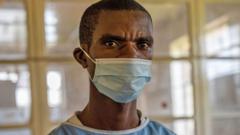
In the heart of the Democratic Republic of Congo (DR Congo), the mpox epidemic appears to be stabilizing, with a notable decrease in new cases observed at the Lwiro clinic, a crucial treatment center. Nurse Jackson Murhula reported receiving only two or three cases daily, a sharp contrast to the overwhelming numbers seen just months prior. This positive shift follows the introduction of vaccinations in the area, which began last October with the delivery of 265,000 doses from international donors.The World Health Organization (WHO) corroborated these observations, indicating that mpox cases in DR Congo have plateaued. However, officials advise caution, emphasizing the need for continued monitoring and intervention. Despite the reduction, 19 African nations still report ongoing infections, raising concerns about the disease's persistent threat.During a previous visit by the BBC in September, the Lwiro clinic faced severe challenges—patients crowded the hospital floors, and staff struggled to manage the influx of sick individuals. Now, as vaccinations are rolled out, the atmosphere at the clinic is markedly calmer, with many empty beds in pediatric wards. Emmanuel Fikiri, a nurse actively engaged in the response, expressed hope for the future, citing a high uptake of the vaccine within the community.While the current situation offers a glimmer of hope, health officials acknowledge the disproportionate impact of mpox on children, who currently lack vaccination options. Dr. Jean Kaseya of the Africa CDC noted that around 30% of affected individuals are children, underscoring the need for targeted vaccination efforts for this vulnerable group.At the Lwiro clinic, health workers are encouraged to see a shift in community behavior as patients increasingly seek treatment at the first sign of illness, moving away from traditional healing practices. Although some cases persist, both Murhula and Fikiri anticipate an improvement in the overall health climate as the vaccination campaign strengthens.Dr. Samuel Boland from the WHO noted that while DR Congo shows signs of progress, the country remains a hotspot for mpox infections, accounting for a staggering 96% of new cases in the region. He cautioned that it is still premature to declare the outbreak fully under control, reinforcing the necessity of ongoing health interventions.Vaccination initiatives are also being implemented in neighboring nations like Rwanda and Nigeria, further aiding coordinated efforts to curtail the mpox outbreak. Experts like Dr. Kaseya advise vigilance, highlighting that the situation in DR Congo warrants careful observation before declaring a definitive end to the crisis.In summary, while DR Congo witnesses a decline in mpox cases, comprehensive vaccination strategies and community education remain essential in the fight against the disease. As WHO officials prepare to assess the global response, all eyes remain on the region's health trends in the coming months.

