In brief
The Integrated Food Security Phase Classification (IPC) warns that the humanitarian situation in Gaza has dramatically worsened, with over 244,000 people facing catastrophic food shortages. Despite international outcry over the blockade, Israeli officials maintain that there is no hunger crisis.
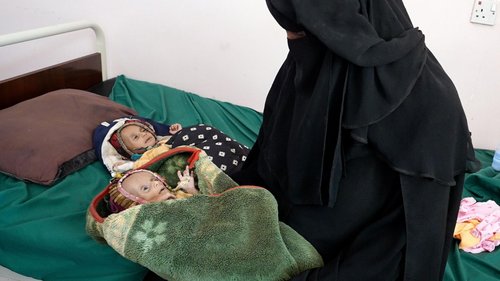
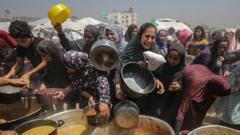
Article:According to a recent assessment backed by the United Nations, the entire population of Gaza—approximately 2.1 million Palestinians—is at "critical risk" of famine, as the ongoing Israeli blockade severely disrupts humanitarian aid. The Integrated Food Security Phase Classification (IPC) reported a "major deterioration" in Gaza's food security since October 2024, although it concluded that famine has not yet been officially declared.The ceasefire between Israel and Hamas, which lasted for two months, provided a temporary pause in the escalating conflict; however, renewed military actions and a blockade that has persisted since early March have significantly reversed any progress made during that time. The report reveals that around 244,000 people in Gaza are currently enduring "catastrophic" food insecurity levels, prompting urgent calls for intervention to avert an impending famine.Israeli military operations were resumed in mid-March, effectively halting the entry of essential food, medicine, and other aid into Gaza. The Israeli government claims the blockade is a means of pressuring Hamas to secure the release of remaining hostages. Despite this, international response has been overwhelmingly critical, with the UN voicing its readiness to deliver supplies if access is granted. Aid agencies have condemned the blockade as potentially constituting a war crime and a calculated strategy of starvation.The IPC's assessment, made public on Monday, indicates that half a million people—or one in five—are facing starvation in Gaza. The report also highlighted that nearly 71,000 children under five are projected to suffer from acute malnutrition in the upcoming year, exacerbating the crisis. Many families are resorting to desperate measures, such as begging and scavenging.The findings reveal a stark reality: 1.95 million individuals, or an alarming 93% of Gaza's population, are coping with significant food insecurity, with the situation described as one of the world's most dire food crises, propelled by ongoing conflict and associated human suffering. Israeli officials disputed claims of a hunger crisis, referencing the volume of aid received during the temporary ceasefire. Meanwhile, Hamas announced intentions to release Israeli-American hostage Edan Alexander as part of potential ceasefire negotiations, which could allow humanitarian aid to flow into Gaza.Israel's Prime Minister's office stated that while there is no commitment to a full ceasefire, they are ensuring a "safe corridor" for Alexander's release. US President Donald Trump is set to visit the region, and Israel has indicated it may amplify military operations against Hamas if no agreements are reached during his stay.Plans from Israeli officials for expanding military operations include a strategy for the indefinite seizure of Gaza territory, forcible displacement of Palestinians, and privatizing aid distribution—a move met with opposition from UN and humanitarian agencies for its potential to "weaponize" aid.The IPC report also warned that the proposed aid distribution strategy would likely be inadequate, leading to significant access issues for many within the already struggling population. This ongoing conflict initially intensified after a series of attacks by Hamas on southern Israel on October 7, 2023, leading to substantial casualties and hostage situations.As the humanitarian crisis deepens, the need for action to support Gaza's beleaguered population remains urgent, with an estimated 52,862 lives lost in the ongoing military campaign, as reported by the health ministry under Hamas governance.