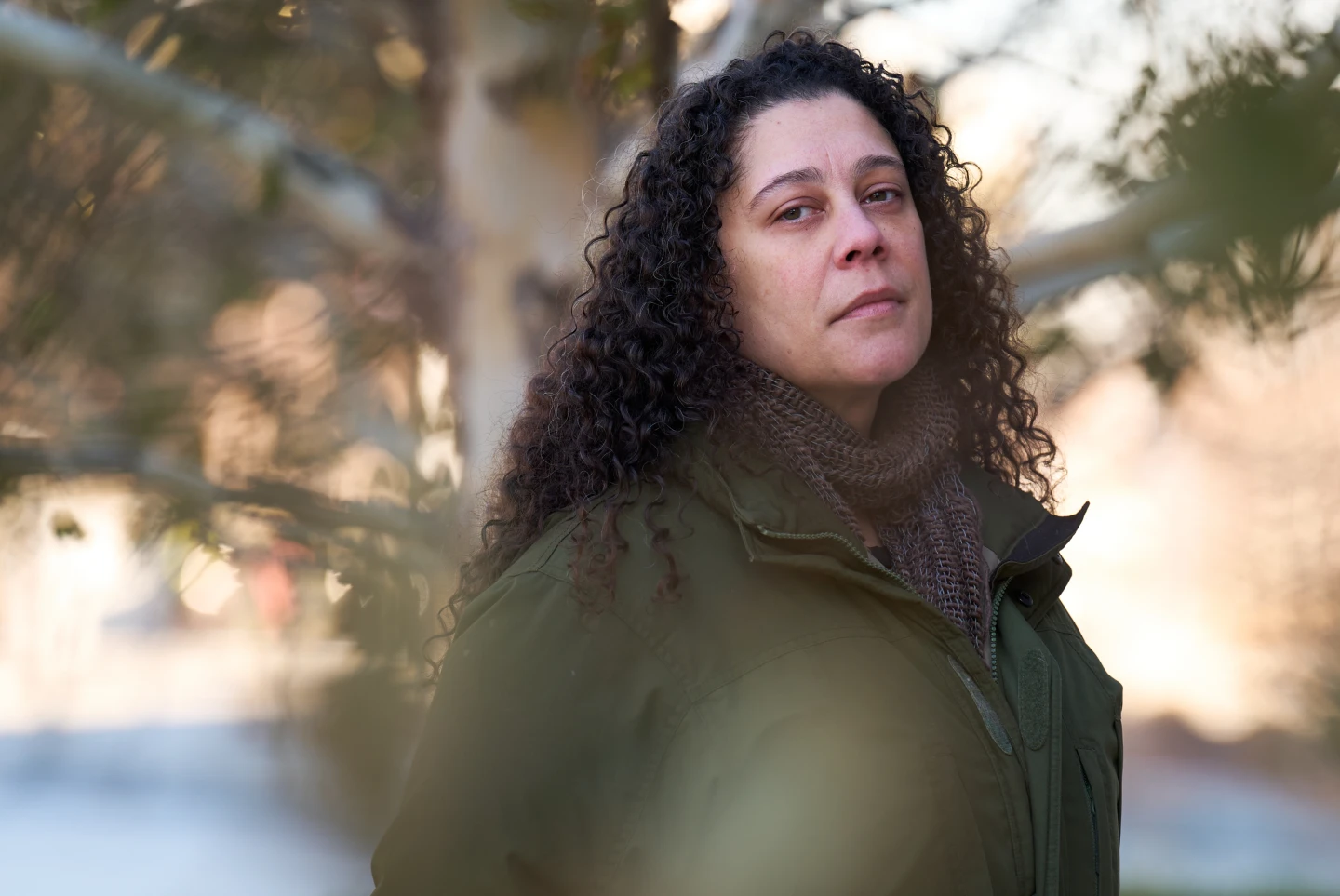
MILWAUKEE (AP) — A Wisconsin judge accused of helping a Mexican immigrant evade federal authorities is set to present her case as her trial on obstruction and concealment charges winds down.
Prosecutors rested their case against Milwaukee County Circuit Judge Hannah Dugan on Wednesday after three days of testimony. Dugan’s defense attorneys have planned to call four witnesses starting Thursday morning, although it remains unclear whether Dugan will take the stand herself. Closing arguments are expected to begin as early as Thursday afternoon.
The case is highly unusual—the charges against a sitting judge exemplify extraordinary consequences stemming from President Donald Trump’s immigration policies. Supporters of Judge Dugan claim such actions are an attempt to make an example of her and deter judicial opposition to immigration enforcement.
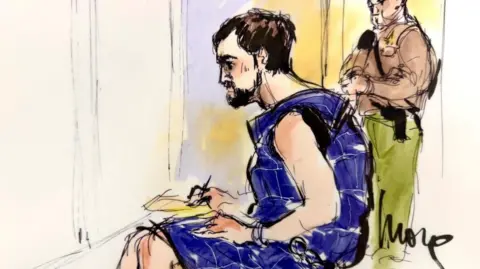
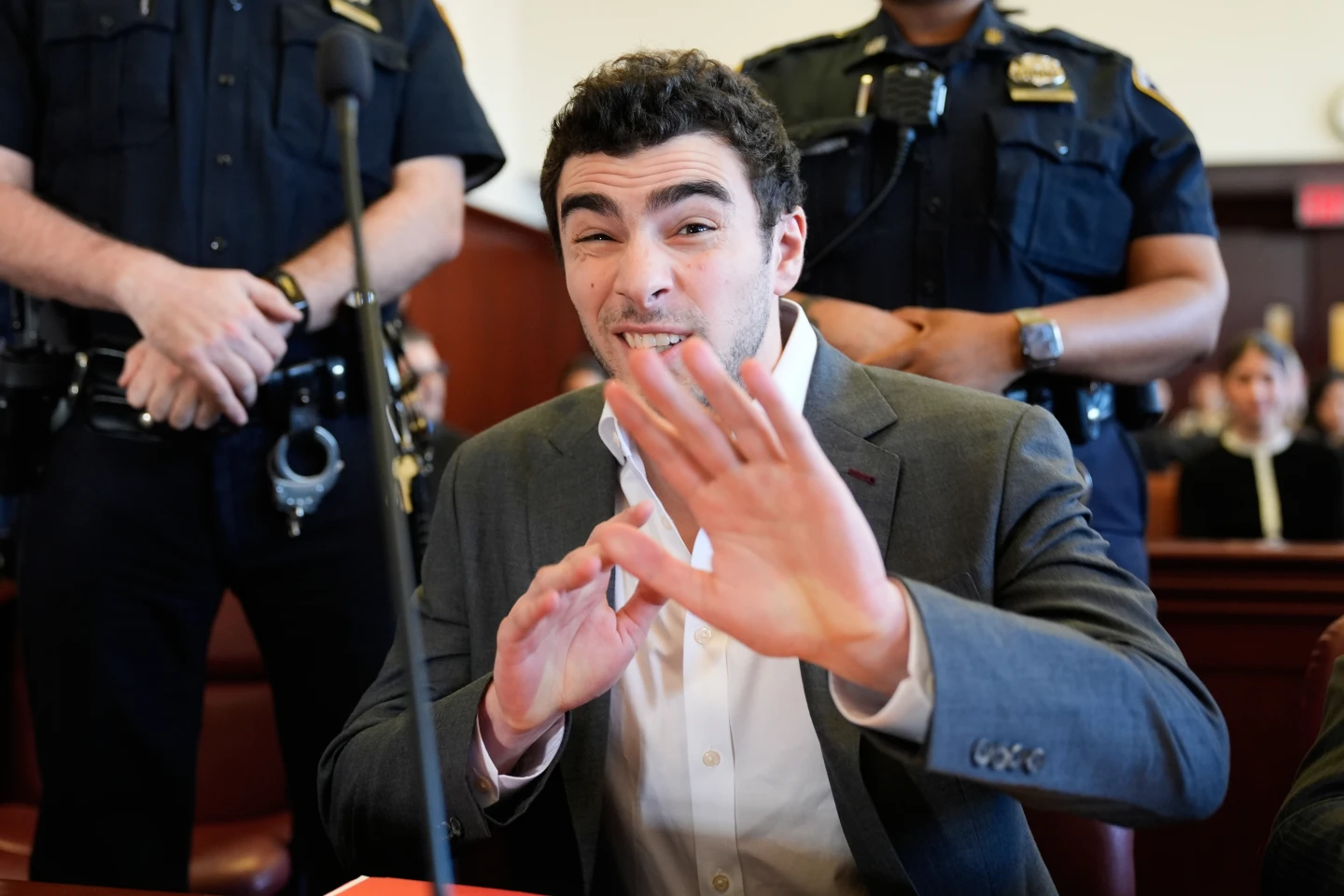
During the trial, prosecutors aimed to establish that Dugan intentionally obstructed federal agents' efforts to arrest 31-year-old Eduardo Flores-Ruiz at the Milwaukee County Courthouse. Evidence presented included testimonies from agents who staked out Dugan’s courtroom for the arrest.
According to witnesses, after Flores-Ruiz was arrested on state charges, he was supposed to appear at a hearing in front of Dugan on April 18. She and another judge reportedly confronted federal agents and ordered them to leave, suggesting her actions influenced their ability to detain Flores-Ruiz safely.
Prosecutors produced transcripts showing Dugan referred to taking “the heat” for showing Flores-Ruiz out through a private door, after which he fled into the street, leading to a foot chase before his apprehension.
Dugan’s defense contested that she did not intend to obstruct the arrest and was adhering to courthouse policy that required referring immigration agents to supervisors for such actions. They also argued that federal agents could have detained Flores-Ruiz at various points and that the responsibility for the timing lay with them, not Dugan.
This ongoing case raises significant questions about the intersection of judicial actions and immigration policies, spotlighting the delicate balance judges must maintain amid heightened pressures from political agendas.