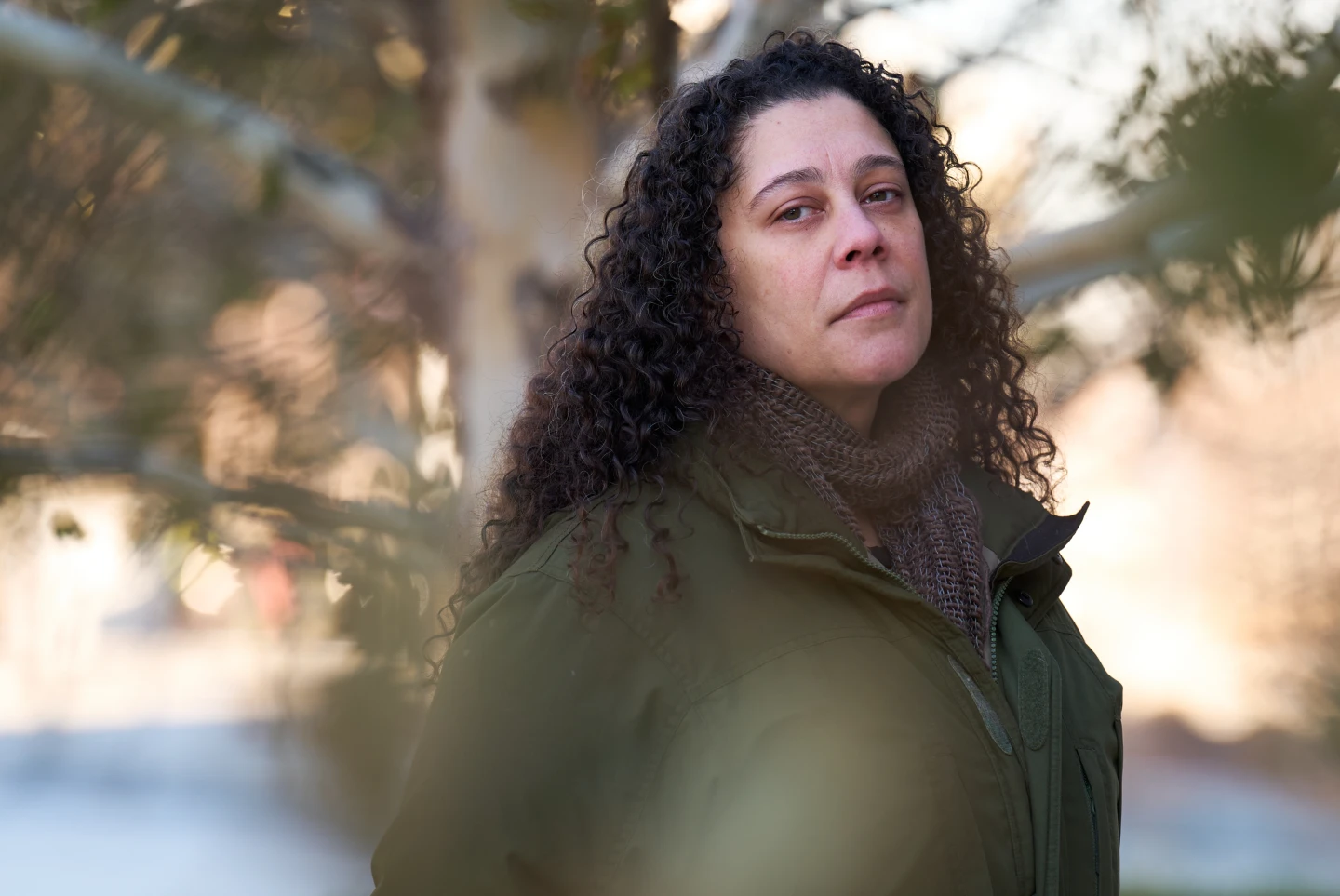
WASHINGTON (AP) – The federal agent described her wounds as 'boo-boos.' Nevertheless, the Justice Department aggressively pursued the alleged perpetrator. They jailed Sidney Lori Reid on a charge of felony assault, accusing her of injuring the agent during a July protest of President Donald Trump’s immigration crackdown in Washington, D.C.
When grand jurors thrice declined to indict the 44-year-old on the felony, prosecutors tried Reid on a misdemeanor.
Body camera footage played at trial revealed that Reid had not intentionally struck the agent. Instead, the agent had scratched her hand on a wall while assisting another agent who had shoved Reid and told her to 'shut the f—- up' and 'mind her own business.'
It took jurors less than two hours to acquit the animal hospital worker.
'It seemed like my life was just going to be taken away from me,' said Reid, who spent two days in jail and worried she would lose her new job and apartment. 'It broke my heart because this is supposed to be a good and fair country and I did not see anything surrounding my case that was good or fair at all for anybody.'
The legal and prosecutorial environment surrounding Reid's case mirrors growing scrutiny of the Justice Department's handling of immigration-related protest cases. During proceedings, attorneys noted an evident concern regarding the integrity of evidence and the initial claims made by federal officers.
Former prosecutors have pointed out that many cases pursued under aggressive charges had culminated in weaker convictions or outright dismissals, raising alarms about the balance between law enforcement practices and constitutional rights.
As the prosecution shifts to maintaining public order amid protests, the implications for First Amendment rights draw significant debate. Critics suggest that the Justice Department's strategies reflect a pattern of under-addressing the core issues of public dissent and civil liberties in the context of protests over immigration policy.