In brief
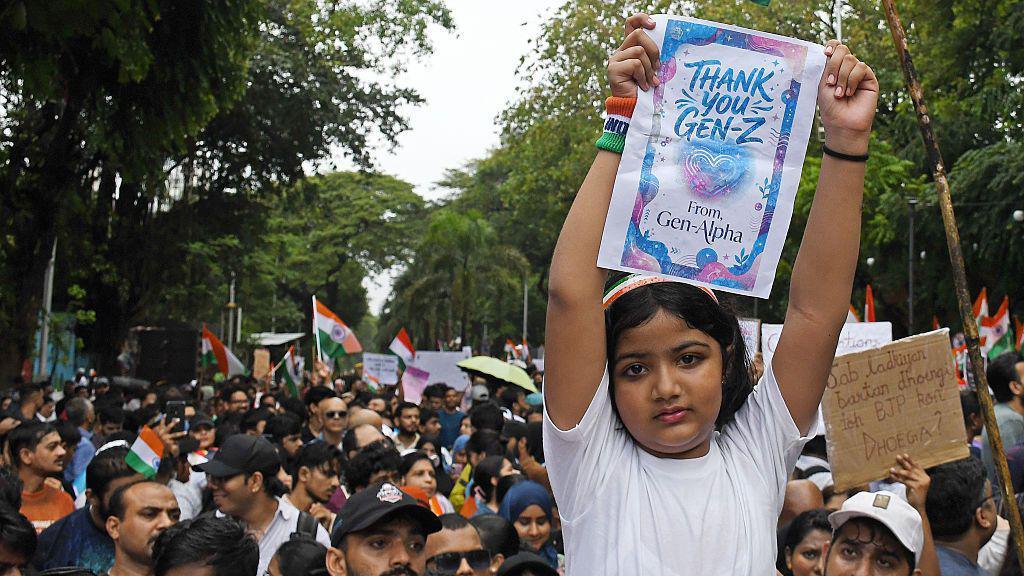
A wave of Indian youth dissatisfied with exam leaks and unemployment made a splash on social media and on the streets of Delhi, rallying under the satirical Cockroach Janta Party. The protests forced education minister Dharmendra Pradhan to step down and sparked a national debate that soon echoed Gen‑Z slang in the Lok Sabha. MPs of every party—BJP, Shiv Sena, Congress—used terms like “delulu,” “MIA,” and “clock it” to criticise or praise each other, creating a momentary linguistic shift. Scholars note that borrowing youth slang is an old political tactic, but its use here signals an attempt to speak to a generation that primarily lives online. While politicians imitate the language of the protest, many youths feel the gesture is hollow without policy changes.
A handful of threaded tweets, memes and Instagram reels launched a youth‑led movement that toppled an education minister and forced a new bill into debate – and it all concluded with parliamentarians dropping Gen‑Z slang into a formal setting.
The Rise of the Cockroach Janta Party
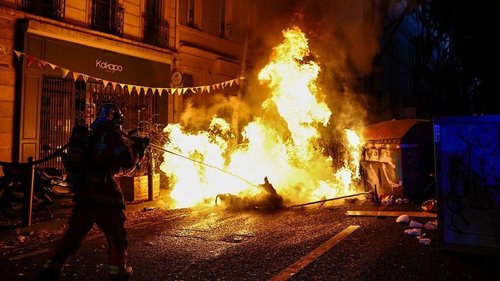
What started as a satirical collective on WhatsApp and Telegram quickly morphed into a real‑world protest after allegations that exam papers had been leaked. The movement grew virally by using fit‑check videos, “Get Ready With Me” reels and uproarious memes that attracted millions of viewers. Proud of their digital style, the protesters showed up on Delhi’s streets with signs and saw the government’s response on the same platforms.
From Instagram to the Lok Sabha
During a late‑night debate over a new anti‑exam‑leak bill, MPs from BJP, Shiv Sena and Congress rattled off words that were once exclusive to comment sections: “Delulu,” “MIA,” “FOMO,” and “clock it.” The BJP’s Bansuri Swaraj praised Prime Minister Narendra Modi as “clocked it” for navigating the bill, while Tejasvi Surya re‑locked his opposition with “delulu” for their critique. Even the opposition’s Supriya Sule crossed the aisle to point out the absurdity of the lingo, before stopping to use “delulu” herself.
Why Politics Lends to Slang
Political scientists routinely claim that politicians adopt the vernacular of their electorate. The enduring use of cricket phrases or Bollywood catch‑phrases in parliamentary speeches illustrates this practice. Rahul Verma, a political scientist at the Centre for Policy Research, warns that the Gen‑Z slang in parliament might simply reflect a learned use of a generation’s language rather than a deep shift in policy.
The Tone of the Movement
Digital anthropologist Payal Arora argues that the uprising’s meme‑centric style demonstrates the culture of nostalgia, humor and paradox. Her view is that borrowing a generation’s lingo is “cultural awareness,” not necessarily political transformation. Yet the protesters insisted that true change could not rely only on mimicry; they demanded accountability through legal actions and elected bodies.
Repercussions and Retractions
After the protests ended, police moved to prosecute students and activists linked to the movement. The CJP even threatened to return to the streets if the government failed to dismiss the cases. There were attempts to delete images from social media and a growing discomfort among authorities with the meme‑driven afterlife of the movement.
“Speaking our language isn’t going to impress us without meaningful change,” a protester told us in private. She added, “We didn’t ask them to speak like us. We asked them to listen.” Such responses underline the limits of simply quoting the popular vocabulary; the real demand is to translate it into policies.
Follow BBC News India on Instagram, YouTube, X and Facebook.