In brief
A West Java court has sentenced 19 people for shipping at least 34 babies to Singapore for adoption. The children have already been adopted by Singapore‑based families, leaving authorities puzzled about whether to revoke those orders or allow the children to stay. Legal experts note that Singapore’s final‑adoption rule makes revocation highly complex, while Indonesian officials highlight a lack of data on the babies’ birth parents. The outcome will be decided by cross‑border cooperation and a consideration of the children’s best interests.
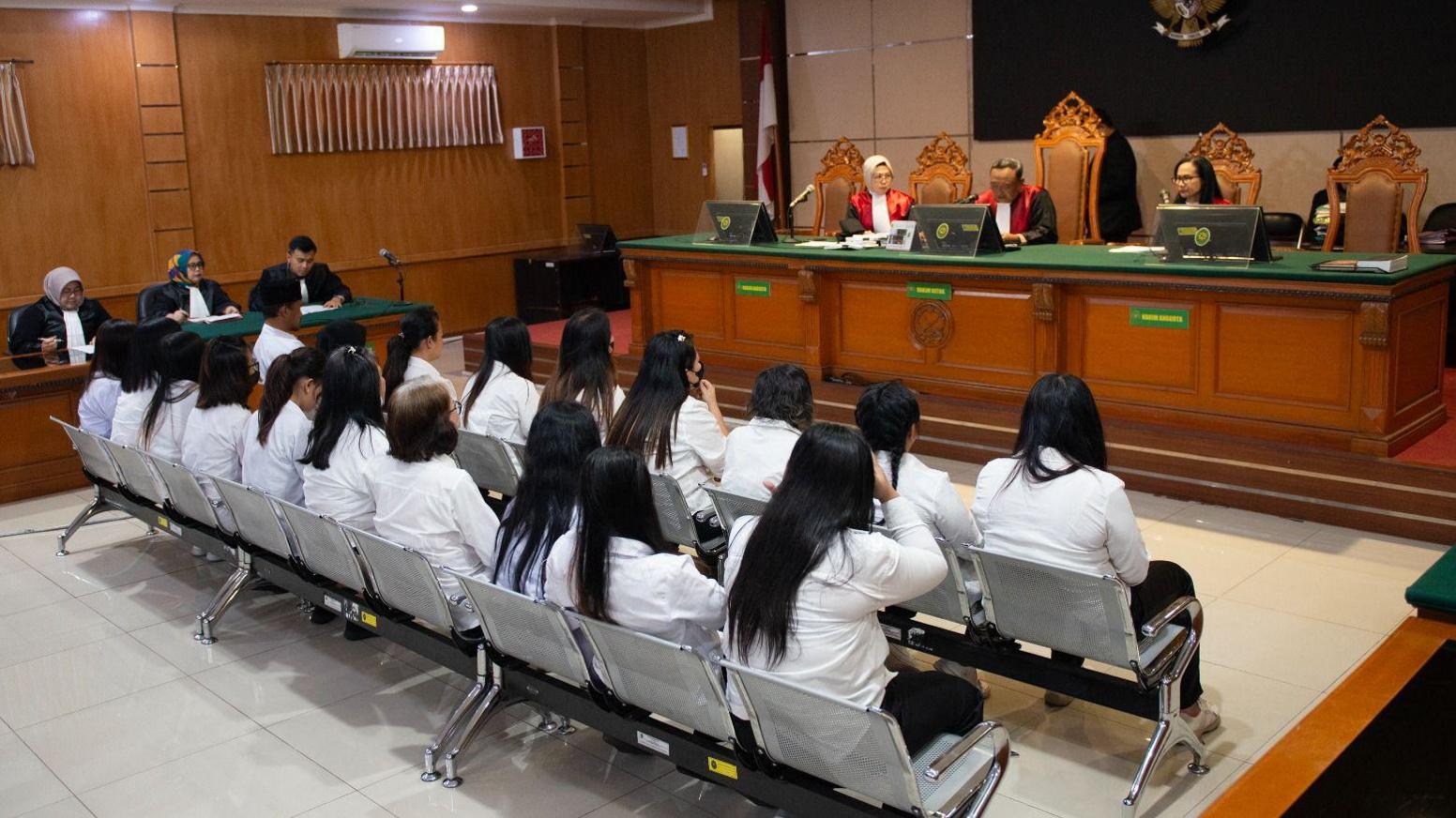
On Tuesday, a court in West Java handed down sentences to 19 people responsible for procuring at least 34 babies from Indonesia and shipping them to Singapore for adoption. The convictions are the culmination of months of investigations that culminated in a high‑profile trial, but the verdict opened a new question: what becomes of the children who have already entered Singapore’s legal system?
Singaporean Adoptive Parents in Uncertainty
David, a Singaporean who adopted one of the babies, said he and his wife are still waiting for a decision. The adoptive parents have repeatedly asked their government for clarity and hope that both sides will act swiftly so that the children can “move forward with certainty and security.” The courts in Singapore do not routinely reverse adoption orders, making their legal pathway a novel legal frontier.
Indonesian Government’s Position
Indonesia’s Foreign Affairs Ministry said it was still investigating the children’s legal status, the identity of their biological parents and pending cases in Singapore. The ministry reiterated its commitment to prioritising the children’s best interests, but has not yet proposed a concrete resolution. According to a criminologist at the University of Indonesia, there is little public information on what happens to trafficked children once rescued or removed abroad.
Legal Uncharted Territory
Revoking an adoption in Singapore is rarely seen and would set a new precedent. Lawyers say that the courts would have to weigh several factors such as the psychological impact on the child, how long the child has lived in Singapore, and the authenticity of the original documents. The adoption documents for the babies were later proven to be fraudulent, which strengthens a case for investigation.
What If There Are No Identifiable Parents?
If the children’s birth parents cannot be identified, they would likely be placed into state care in Indonesia. Eight of the rescued babies are already under care in a Bandung orphanage. The Indonesian side argues that children who have lived in Singapore from infancy should remain there, but if biological parents are later identified, the children should have the right to know them.
The article was originally produced by BBC Indonesian and reported on by Farida Susanty.