The last few days have witnessed an alarming intensification of hostilities between India and Pakistan, signaling a potential leap into the most extensive military confrontation seen in decades. Both nations are reportedly executing attacks well beyond their long-disputed Kashmir border, exacerbated by recent airstrikes by India on Pakistani targets following a significant terrorist attack in Kashmir.
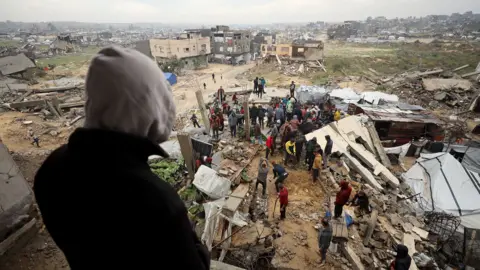
On the ground in Kashmir, reports of widespread shelling have emerged, including damage to homes and civilian casualties. The fear in local communities has prompted evacuations, with residents recounting experiences of unprecedented violence that recalls memories of past conflicts. Both countries have accused each other of launching drone strikes and bombings, with each side's military issuing opposing claims regarding the effectiveness of their operations.
What began as a terrorist attack on April 22, which killed 26 civilians, has spiraled into military operations dubbed "Operation Sindoor" by the Indian government, signaling its intent for a retaliatory response that has escalated into a broader military engagement. Pakistan has fiercely denied claims of its involvement in the initial attack, and the political climate remains fraught, exacerbated by historical tensions regarding Kashmir—a region claimed by both countries since their independence in 1947.
In light of these developments, there have been diplomatic efforts to de-escalate the situation, with leaders from the US, Saudi Arabia, and China reportedly engaging in dialogue. However, the public sentiment in both countries is increasingly fraught with uncertainty and fear, as the cyclic nature of conflict remains a harsh reality for the citizens living under the specter of war.
Travel disruptions are also notable, with multiple airports being closed in northern India, and military families are closely monitoring the situation as nationalistic fervor rises amidst the chaos of information that permeates social media.
Historians note that the current situation is reminiscent of the high tensions experienced between the nations in past decades, albeit now complicated by the presence of advanced weaponry and the potential for widespread civilian impact, with many fearing that the potential for nuclear conflict could emerge under these circumstances. This volatile mix of military engagement and diplomatic maneuvering is creating an atmosphere of high stakes as both nations reevaluate their security postures and international alliances in real-time.
The urgency for resolution grows as each passing day brings further militarization and escalating risks, with ordinary citizens caught at the crossroads of history. A global community watches closely as both leaders strive to navigate through the storm of escalating tensions, striving to avert the consequences of another war in the region.
On the ground in Kashmir, reports of widespread shelling have emerged, including damage to homes and civilian casualties. The fear in local communities has prompted evacuations, with residents recounting experiences of unprecedented violence that recalls memories of past conflicts. Both countries have accused each other of launching drone strikes and bombings, with each side's military issuing opposing claims regarding the effectiveness of their operations.
What began as a terrorist attack on April 22, which killed 26 civilians, has spiraled into military operations dubbed "Operation Sindoor" by the Indian government, signaling its intent for a retaliatory response that has escalated into a broader military engagement. Pakistan has fiercely denied claims of its involvement in the initial attack, and the political climate remains fraught, exacerbated by historical tensions regarding Kashmir—a region claimed by both countries since their independence in 1947.
In light of these developments, there have been diplomatic efforts to de-escalate the situation, with leaders from the US, Saudi Arabia, and China reportedly engaging in dialogue. However, the public sentiment in both countries is increasingly fraught with uncertainty and fear, as the cyclic nature of conflict remains a harsh reality for the citizens living under the specter of war.
Travel disruptions are also notable, with multiple airports being closed in northern India, and military families are closely monitoring the situation as nationalistic fervor rises amidst the chaos of information that permeates social media.
Historians note that the current situation is reminiscent of the high tensions experienced between the nations in past decades, albeit now complicated by the presence of advanced weaponry and the potential for widespread civilian impact, with many fearing that the potential for nuclear conflict could emerge under these circumstances. This volatile mix of military engagement and diplomatic maneuvering is creating an atmosphere of high stakes as both nations reevaluate their security postures and international alliances in real-time.
The urgency for resolution grows as each passing day brings further militarization and escalating risks, with ordinary citizens caught at the crossroads of history. A global community watches closely as both leaders strive to navigate through the storm of escalating tensions, striving to avert the consequences of another war in the region.