In brief
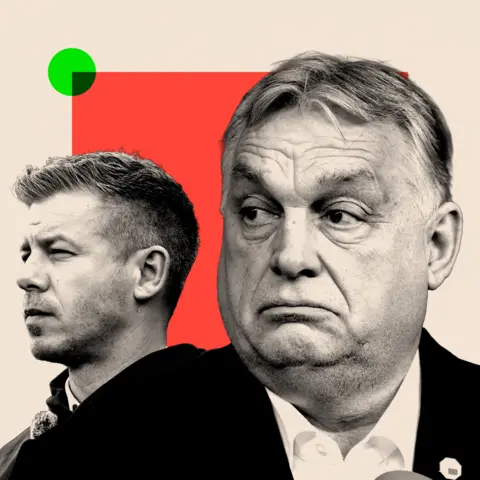
Hungarian Prime Minister Viktor Orban, who has been in power for over 16 years, is under pressure as opposition leader Peter Magyar gains momentum ahead of parliamentary elections. Polls indicate a shift in public perception against Orban's party, Fidesz, with many voters viewing them as the 'corrupt elite.' Allegations of various electoral irregularities and economic challenges compound Orban's difficulties as he attempts to secure reelection. The results of this election could have wide-ranging implications for national and European politics.
All they stand for is anger, hatred, and destruction, roared a hoarse Viktor Orban at a rally in Györ, as he faces the heat from protesters chanting against his party. Recent polls suggest that the opposition Tisza party, led by Peter Magyar, is gaining an edge, with 58% support compared to Orban's Fidesz at 35%.
For the first time in years, Orban is back on the campaign trail, working hard to re-engage voters as he seeks to mobilize support in the face of dwindling popularity. The 12 April elections are crucial not just for Hungary but are viewed as a referendum on the authoritarian model of governance that Orban has come to symbolize.
Political analysts indicate a significant shift in voter sentiment, with many seeing Fidesz as a symbol of corruption rather than stability. The scandal-ridden campaign and desperation tactics have left Orban scrambling, resulting in his often tempered demeanor giving way to aggressive rhetoric.
Opposition leader Magyar, contrasting Orban, focuses his campaign on local issues like healthcare and rural depopulation, distancing himself from the controversial ties his predecessor has with nationalist leaders such as Trump and Putin. His approach, resonating particularly with younger voters, emphasizes a vision for a more humane governance.
The stakes of this election are monumental. A victory for Fidesz could embolden similar far-right movements across Europe, while a loss may signal a decline in authoritarian governance within the EU. As voting approaches, the mounting dissatisfaction among voters establishes a compelling narrative for a possible dramatic political shakeup.