In brief
In the wake of twin earthquakes in La Guaira on June 28, Venezuelan residents are digging out survivors with hand tools while official aid arrives late. Despite a 4.6 aftershock on June 30 and over 500 tremors, the death toll has risen to more than 1,700, making this the most brutal natural disaster in the country’s history. Venezuelan and international rescue teams—including those from Mexico and El Salvador—are working alongside local volunteers, yet heavy machinery arrives too late to save many lives. The United States has pledged over $300m for emergency relief, and the U.S. Navy has reopened La Guaira port to speed aid delivery. Meanwhile, the UN is coordinating body bags and rescue efforts, while President Delcy Rodríguez promises a commission to assess damage as displaced Venezuelans await temporary shelter.
After last week’s twin tremors—a 7.2 quake in La Guaira followed a few minutes later by a 7.5 one—a sudden 4.6‑magnitude aftershock rattled the region on Monday night, but no fresh damage was reported.
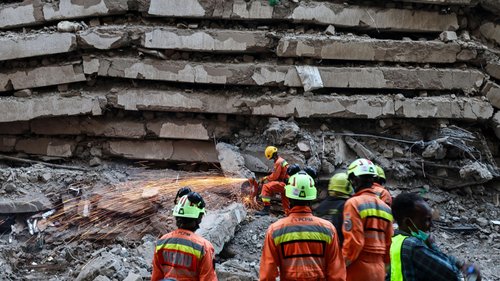
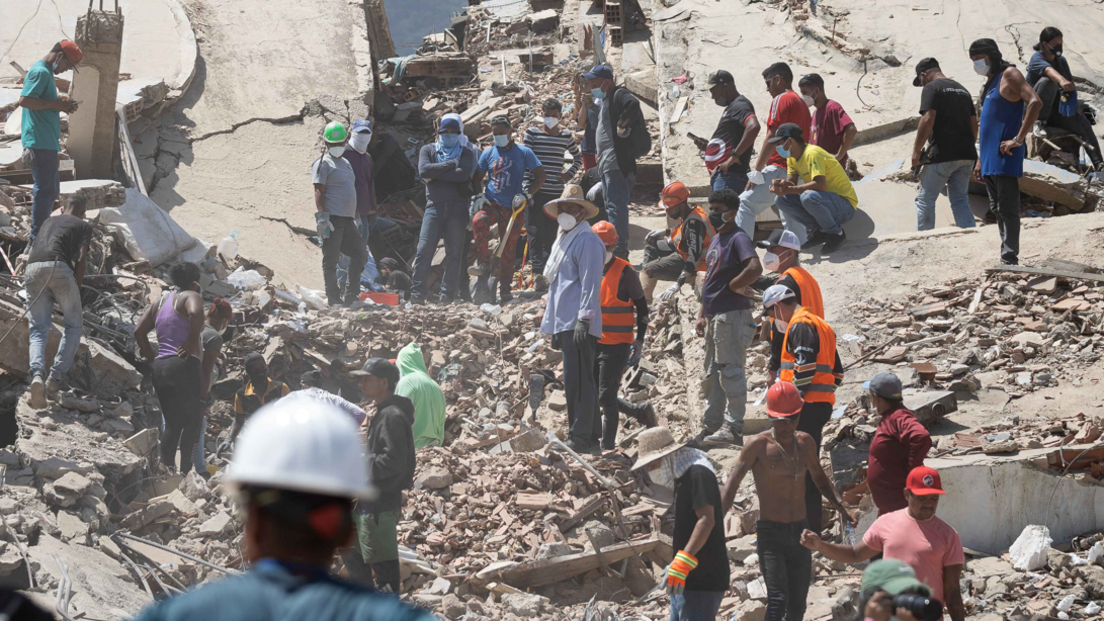
Photo reports from the port city show civilians, armed with crowbars, mallets and pickaxes, working in the rubble of collapsed homes. Tens of thousands are still believed missing, and the dead now exceed 1,700, the Interim President Delcy Rodríguez calls the country’s most brutal natural catastrophe.
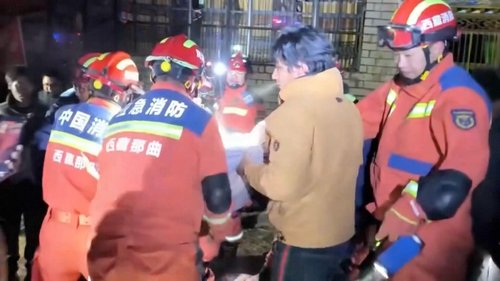
Local aid has been patchy. In La Guaira city, heavy machinery only arrived after a day of manual digging, while volunteers such as Ruben Rojas, a 32‑year‑old electrician, struggled without proper equipment. A 21‑year‑old was pulled alive after 100 hours of entrapment – the latest success amid a field of overwhelming loss.
The United Nations is mobilizing 10,000 body bags and coordinating a disaster assessment commission. The US Department of State announced more than $300m (≈£227m) for medical care, food, water, sanitation, shelter and logistics. The US Navy’s frigate USS Fort Lauderdale is docked at La Guaira port to speed humanitarian deliveries, while the Netherlands has sent a vessel of emergency supplies and China promised almost $15m in assistance.
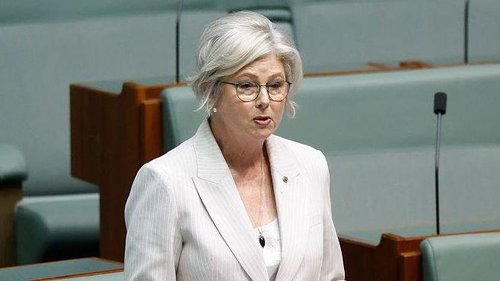
Meanwhile, President Delcy Rodríguez has deployed 25,000 emergency workers, police and soldiers across the affected zones and introduced a colour‑coded traffic‑light system to gauge safe return routes. In El Junquito, a mountainous neighborhood west of Caracas, residents report a lack of official presence but are receiving basic supplies from local farmers and residents.
International rescue teams from Venezuela, Mexico and El Salvador continue to work the rubble, while the UN and local civil protection agencies manage the search for survivors under relentless aftershocks. The situation remains precarious as displaced Venezuelans await temporary shelter and the full impact of the disaster is yet to surface.