Vatican Casts a Half‑Million-Strong SSPX into Excommunication
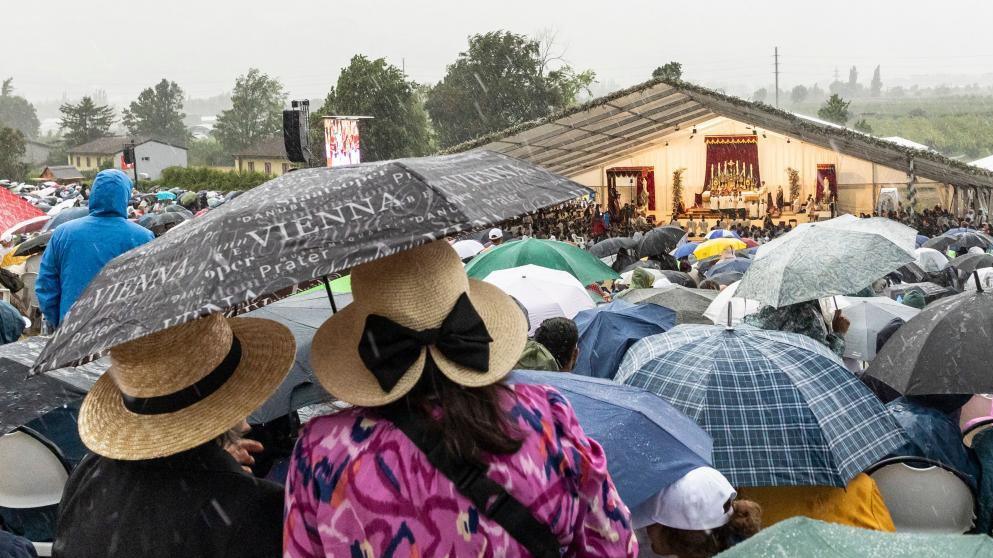
On 1 July the Vatican declared excommunication for more than half a million members of the Society of Saint Pius X (SSPX), a conservative Catholic splinter group that has long opposed the reforms of the Second Vatican Council.
The decision was triggered by the society’s unauthorized consecration of four new bishops in Geneva, a move that the pope had expressly forbidden. In a rare and sweeping response, the Vatican struck down not only the six bishops in its ranks but also warned all its lay followers that they “are to be considered schismatic and excommunicated.”
According to a statement issued Thursday, the SSPX’s sacred ministers “administer the sacraments illicitly” and the church’s rite of penance and marriages are invalid. This pronouncement removes lay members from sacramental participation, including confession and marriage within the Roman Catholic Church.
Despite the strictness of the ruling, the Vatican said that members who wish to abandon the SSPX and return to Roman Catholic life would be welcomed back “with sincere affection.” The move has sparked debate over the authoritarian limits of the papacy and the future of traditionalist Catholic communities worldwide.
Long before this week’s excommunication, the SSPX had experienced a brief period of isolation in the 1980s when its bishops were deposed, only to be later reinstated by the Vatican. The current decree marks the most severe measure the church has taken against the society in recent history, and it underscores the growing divide over liturgical practices and social teaching.
For many SSPX members, the church’s stance feels like a retreat from what they consider the true faith. Rita Reid, a 76‑year‑old supporter from Jersey, has openly stated that she will not be deterred by the ban, arguing that the traditional Mass “brings the true presence of Jesus” and is far “lighter” than the modern liturgy.
The schism’s implications ripple beyond the SSX: it fuels discussions about the balance between doctrinal integrity and pastoral outreach, and about the power of the papacy to enforce unity across a global church that already contains dozens of divergent traditions.