In brief
As Syria's civil war draws to a close, the once-legendary Sednaya prison is a backdrop for thousands of families seeking closure on lost loved ones, amidst shocking revelations of torture and mass executions.
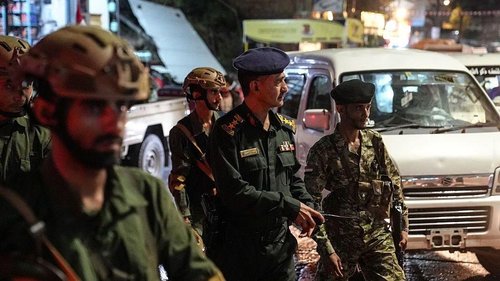
In a dramatic shift this weekend, the fall of the Assad regime has seen rebel forces take control and liberate prisons that served as dark corners of the Syrian conflict. Among these, the notorious Sednaya prison, located just outside Damascus, stands out as a symbol of the widespread human rights abuses that have marred the past 13 years of civil war. As news spread of the prison's liberation, crowds descended upon Sednaya, desperately seeking information about relatives who disappeared into the government's brutal detention system. Amnesty International has labeled Sednaya a "human slaughterhouse," and human rights organizations report that tens of thousands were held there, enduring severe torture, deprivation, and in many cases, execution.Sednaya's grim reputation predates the conflict, having long been associated with torture and inhumane treatment. However, during the peak of the war, it transformed into a site of unspeakable atrocities where detainees faced ghastly conditions, including beatings, starvation, and mass hangings following sham trials. Estimates indicate that over 30,000 individuals may have lost their lives within its walls, their families often left without any closure or news.As the world turns its gaze to the newly liberated Sednaya, urgent questions arise about the fate of its former detainees and the possibility of justice for their suffering. With many still searching for answers, the haunting legacy of Sednaya remains a stark reminder of the cost of war and the resilience of the human spirit.