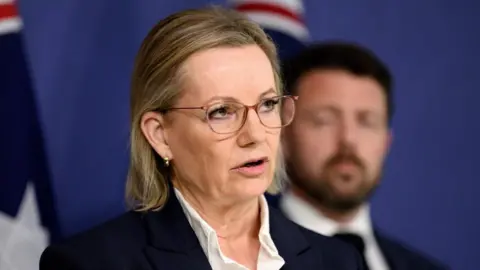
The Liberal-National Coalition, comprising Australia's primary opposition parties, has come together once more after a significant split that lasted over two weeks, driven by disagreements regarding hate speech legislation. Liberal leader Sussan Ley and National leader David Littleproud appeared together in Canberra on Sunday, declaring that the Coalition is now focused on future goals rather than past conflicts.
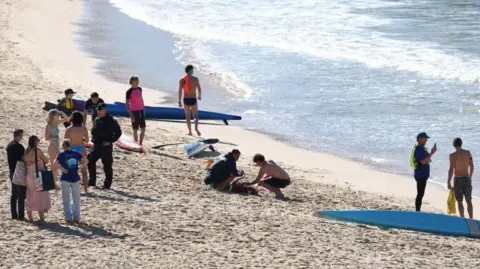
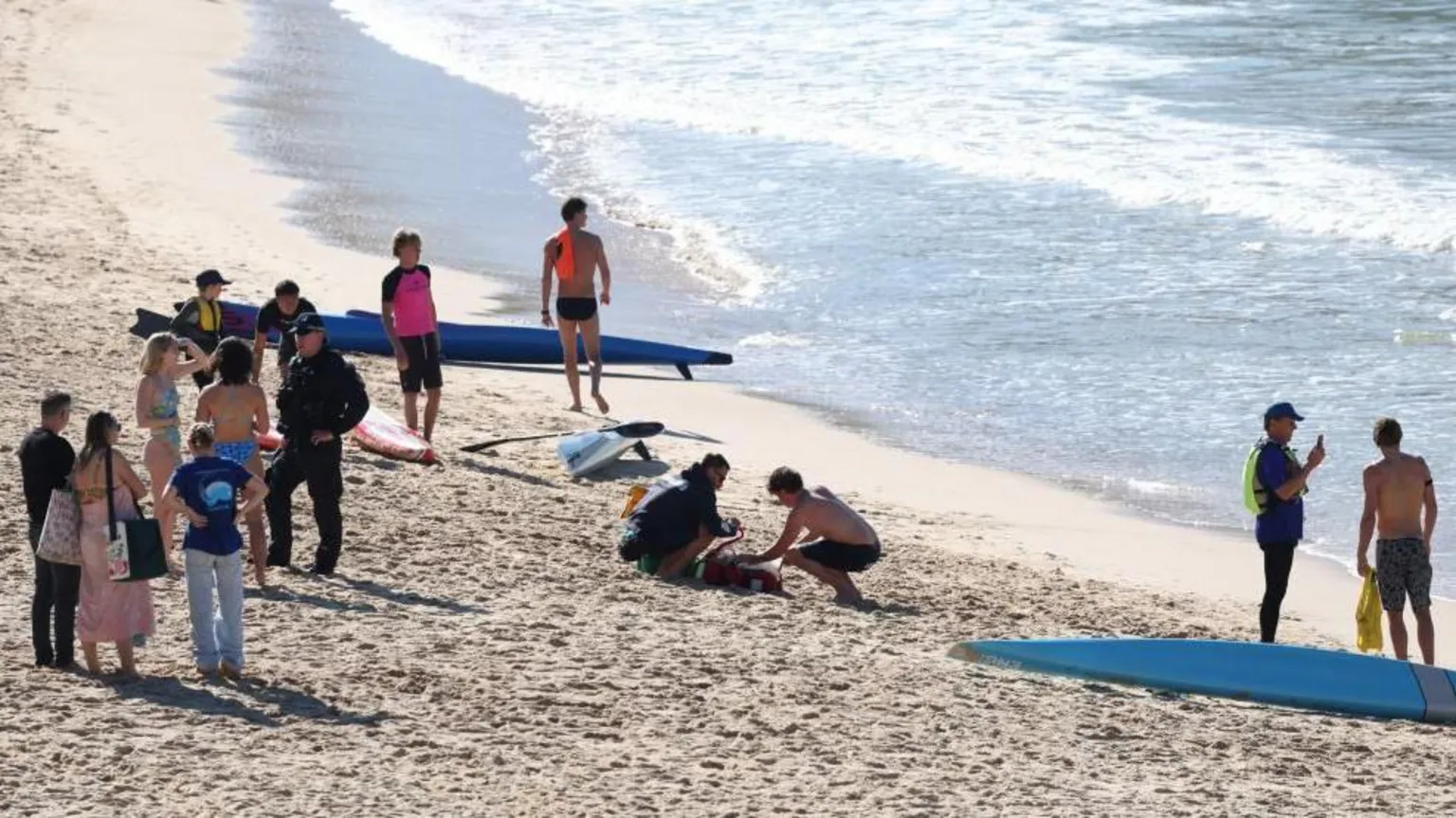
The rift, which began on January 22, was sparked when the National Party refused to support reforms proposed by the government in response to a tragic attack that resulted in the deaths of 15 individuals during a Jewish festival at Bondi Beach last December. Ley emphasized the importance of moving forward, suggesting that the Coalition's unity is vital for its supporters and the broader Australian community.
Littleproud reflected on the disappointing circumstances that led to the split, noting that the disagreements were rooted in substantive policy issues. The Coalition's previous split occurred less than a year prior in May 2025, primarily over climate and energy policies, and was resolved within a week. This most recent division, however, was more complex, arising from the Labor government's introduced reforms aimed at curbing hate speech.
These reforms have stirred controversy, with the National Party opposing them, citing concerns about free speech and claiming that the government's actions were rushed. As the Coalition aims to stabilize itself, both leaders acknowledged the responsibility they have to represent and lead their constituents effectively.
In her speech, Ley responded to the challenges that have faced many Coalition supporters, reinforcing the commitment of both parties to not allow any individual party to unilaterally overturn decisions made within their joint 'shadow cabinet.' The Coalition has not experienced such divisions since the late 1980s, illustrating the significance of the current political climate and the pressure they face from rival parties, particularly the rising populism of Pauline Hanson’s One Nation party.