In brief
For the 11th night in a row, the US launched strikes on Iran, targeting military facilities amid a tense standoff over the Strait of Hormuz. Republican President Donald Trump warned that he would soon hit an underground nuclear site near Natanz, prompting Iran to threaten broad retaliation. Iran’s state media reports heightened air‑defense readiness in Tehran, and explosions were recorded in cities across northern and southern Iran. Meanwhile, the US and Iran signed a ceasefire in April but hostilities resumed after Iranian attacks on commercial vessels. Global oil prices rose to $94 a barrel as the conflict escalated.
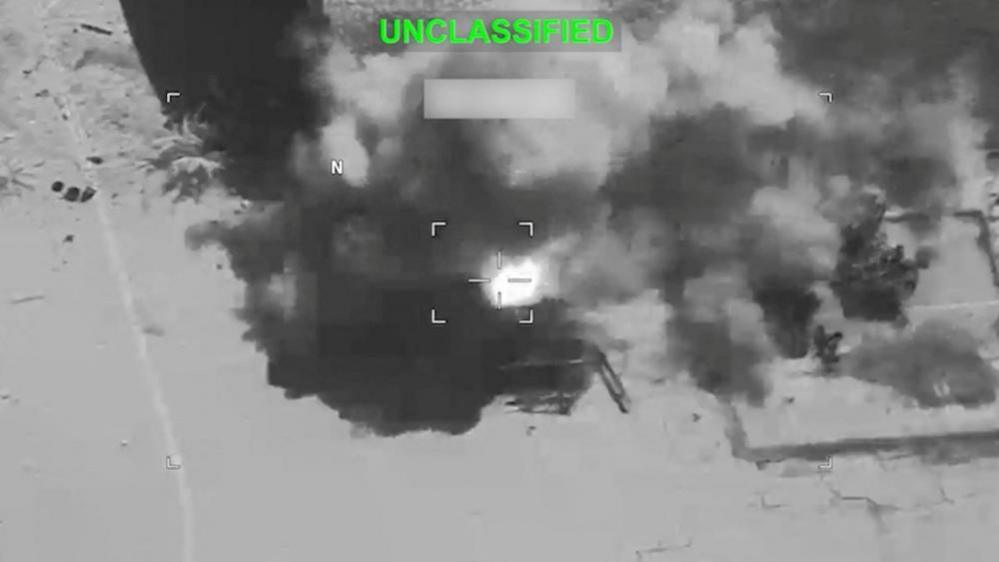
For the 11th night in a row, the United States launched strikes on Iran, targeting key military assets and halting what the Pentagon dubbed "the ability to threaten commercial shipping" in the Strait of Hormuz.
Escalating Conflict
Iranian state media reported air‑defence systems activated in Tehran, and explosions were logged in Tabriz, Chabahar, Konarak and Bushehr – home of Iran’s sole nuclear power plant. The US struck two military operations centres, aircraft hangars, drone storage facilities and logistics infrastructure, saying the attacks were designed to degrade Iran’s threats to shipping.
Iran counters its actions by accusing the US of damaging more than 30 commercial vessels over the past three months, a claim that the US calls "unwarranted" and a violation of freedom of navigation. Kuwait, Bahrain and Jordan confirmed interceptions of drones and missiles, adding another layer of regional tensions.
Trump’s Nuclear Target
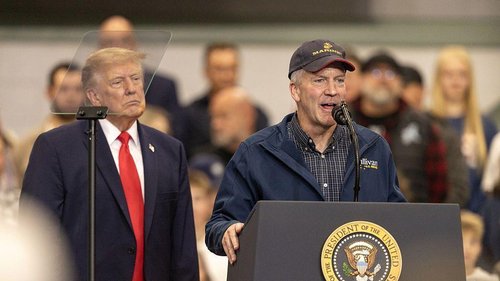
President Donald Trump warned during a White House briefing that the next decisive strike could be on a place called Pickaxe Mountain – an underground site rumored to house an accidental enrichment facility. "We'll be hitting that area pretty soon, and very heavily," he said, a statement that Iran’s Khatam Al‑Anbiya military command defines as "an expansion of war". The president also threatened to "take care of" Houthi rebels should they flood Saudi ports.
The shared rhetoric has amplified fears that maritime traffic through the Bab al‑Mandab Strait may be closed, jeopardising hundreds of millions of barrels of crude that flow from Saudi Arabia to China and India. Oil prices surged to $94 a barrel as the port closures raised worry.
Diplomatic Efforts and Costs
US Secretary of State Marco Rubio reiterated a willingness to negotiate with Tehran, though he doubted the Iranians’ commitment to talks. The Pentagon announced that the war’s human cost reached $37.5 billion so far, and that military training would need to be scaled back without fresh funding. Pentagon officials named Sgt Angel S. Rampersad, 28, as a new casualty of Iranian attacks.
The United Arab Emirates’ oil hub has seen increased volatility since the ceasefire agreed in June was declared over by Trump after Iranian ship attacks. The escalation leaves the international shipping lanes teetering on the brink of disruption, and the world watches to see if diplomacy can mend the frayed ties or if the standoff will spiral into a broader conflict.