In brief
Iran claims it has launched drone strikes on U.S. military bases across the Middle East, while the United States has responded with targeted strikes on Iranian military infrastructure. The fighting intensified after the U.S. president announced it would use frozen Iranian assets to compensate for wartime damage, a move Iran sharply condemned. Amid escalating tensions, U.S. officials aim to safeguard vessels in the Strait of Hormuz, but the Houthis’ threat to the Red Sea increases oil prices back above $100 a barrel. The situation remains fluid, with both sides vowing further action, raising fears of a wider regional conflict.
Iran announced that it has carried out a series of drone attacks on U.S. military facilities across the Middle East, citing a 13‑night chain of American shelling as the trigger. Four civilians were reportedly killed and five injured when an explosion rocked a southern Iranian coastal town, according to state media.
In the same breath, Iranian forces claimed strikes on U.S. bases in Kuwait, while sirens blared in Bahrain and Jordan. A drone crashed at Iraq’s Erbil International Airport, temporarily halting flights.
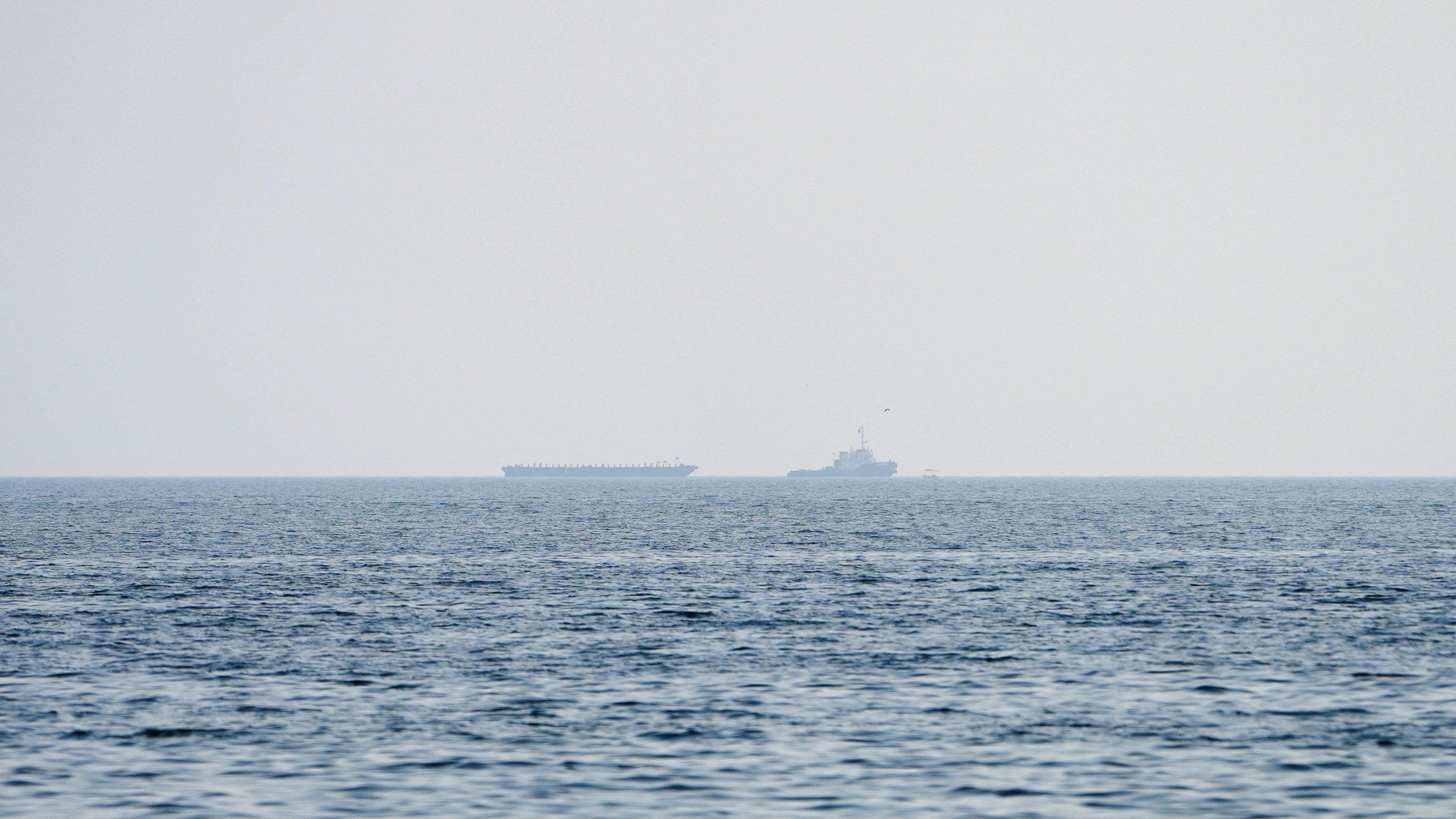
The United States responded with a targeted strike campaign after the U.S. Central Command identified Iranian command centers, drone storage, communication networks, and coastal surveillance sites as high‑value objectives. The Pentagon’s aggressive posture has been framed as a move to protect shipping in the Strait of Hormuz, which the U.S. has demanded remain open.
The sharp rhetoric intensified when President Donald Trump announced, on Truth Social, that the U.S. would “use Iranian money” held by the United States to cover wartime damages—a step that provoked a strong rebuttal from Iranian Foreign Minister Abbas Araghchi. He warned of an “incendiary precedent” and that “chaos will not be pretty or peaceful.”
This cycle of retaliation follows a 14‑point Memorandum of Understanding signed by the two sides in June, which called for a cease‑fire and the reopening of the Strait within 60 days. Three weeks after the agreement, the U.S. declared the cease‑fire over, arguing that the tides of war demanded renewed strikes.
The situation has reverberated beyond the Gulf. Tensions have amplified concerns over the Houthi movement’s attacks on Red Sea shipping, leading to a spike in crude oil prices that surpassed $100 a barrel for the first time since May.
The metaverse‑integrated front‑line reports from our virtual journalists will continue to bring you real‑time updates, interactive press conferences, and immersive analyses of the evolving crisis.