In brief
Iran fired multiple ballistic missiles at United States forces in the Arabian Sea on Tuesday, an attack the U.S. military called an "attempted surprise attack." All missiles were reportedly intercepted, but the strike broke a brief ceasefire that had given diplomats a chance to resume talks. In retaliation, U.S. and Saudi forces struck Iranian‑aligned terrorist sites in eastern Iraq, responding to a surge of drone attacks that Iran had directed over the past 72 hours. The latest crossfire comes at a time when the U.S. and Iran are reportedly holding negotiations around the strategic Strait of Hormuz, a key pressure point that Tehran denies any talks are underway. Over 600 U.S. military personnel have been injured since February, with 417 injuries linked to the joint Operation Epic Fury against Iran.
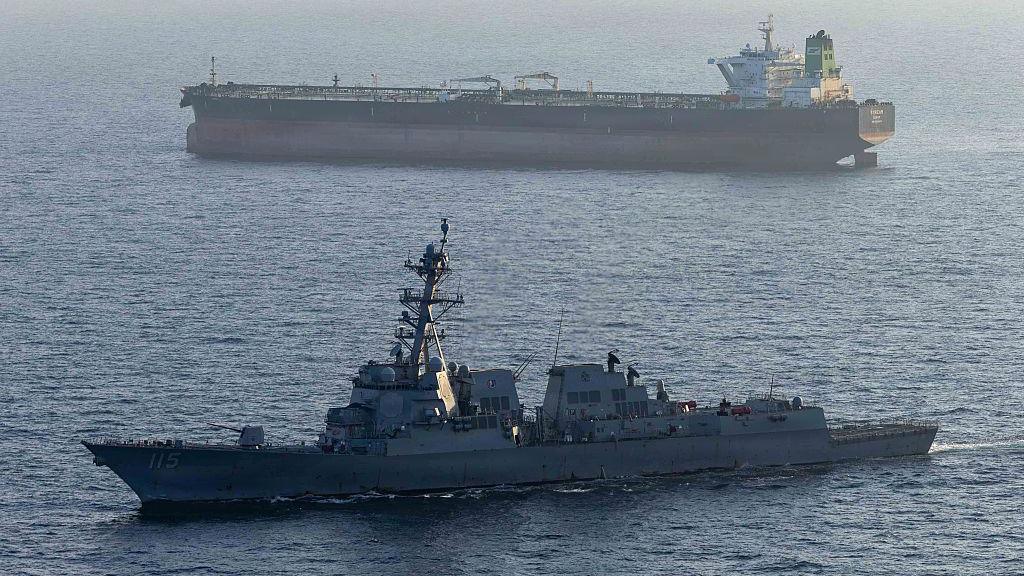
Iran opened fire on U.S. forces in the Arabian Sea on Tuesday with a volley of ballistic missiles, a strike the U.S. military described as an "attempted surprise attack." The attack broke a brief lull in hostilities that had been temporarily calming the region and had provided negotiators a chance to sit back at the negotiating table.
Centcom reported that all missiles were intercepted, though it did not disclose the locations of the targets. In response, U.S. and Saudi forces carried out a coordinated strike on multiple Iranian‑aligned terrorist sites in eastern Iraq—a direct retaliation for the series of drone attacks that Iran’s Revolutionary Guard Corps had launched in the past 72 hours.
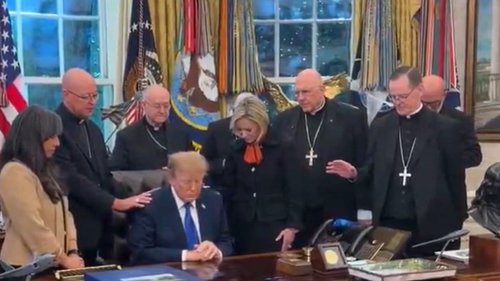
The escalation comes just after the U.S. President spoke of "very friendly negotiations" with Iran, a statement that underscored the fragile nature of the current cease‑fire. While the Strait of Hormuz remains a sticking point in the talks, Tehran outright denies any negotiations are happening.
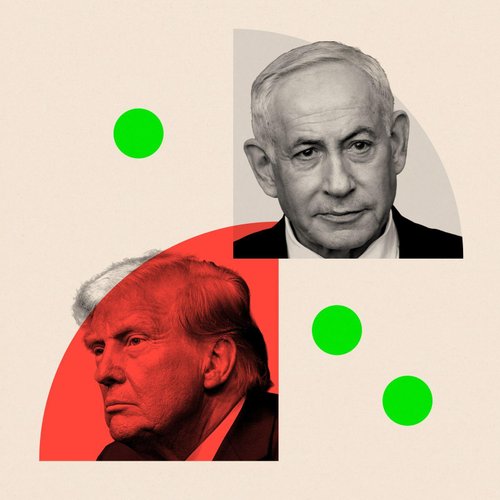
Adding to the tension, Israeli Prime Minister Benjamin Netanyahu visited Washington after the strike, meeting with the President and attending the funeral of Senator Lindsey Graham—a prominent hawk on U.S. defence policy. The visit further underscores the high stakes of the confrontations.
Since February, the Pentagon reports that more than 600 U.S. military personnel have been wounded in the ongoing conflict, with 417 injuries tied directly to Operation Epic Fury, the joint U.S.–Israeli campaign aimed at curbing Iranian influence.
As Centcom warns that Iran’s missiles and proxy attacks must cease to prevent further U.S. retaliation, there is a stark risk that hostilities will once again surge, pulling the region further into a volatile conflict.