In brief
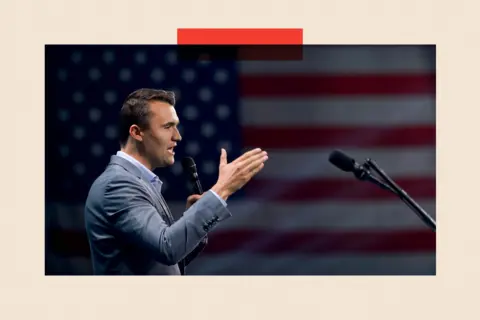
Recent observations indicate a resurgence in anti-abortion activism among young people in the UK, driven largely by influences from American culture and prominent figures. While the UK has a broadly pro-choice consensus, this new wave of activists, often inspired by Christian values and US figures like Charlie Kirk, is reshaping the landscape of the abortion debate in Britain.
For 21-year-old John Alexander, being against abortion came before finding faith. As a teenager at school in Buckinghamshire, he was confused as to why most of his peers supported access to abortion. He argued vocally against it on social media. However, shortly after the pandemic, he became interested in Christianity. He was inspired by discussions of social issues like abortion in a Pentecostal Church and watched street preachers on social media.While attending university, he joined the pro-life society and became a follower of Charlie Kirk, the American commentator known for championing right-wing beliefs. John expressed how the UK's polite culture has discouraged open conversations about abortion, in contrast to the vocal activism seen in the United States.The Society for the Protection of Unborn Children’s Youth Conference, which John attended recently, has seen a steady increase in participants each year. Experts, including charity leaders, indicate that the rise in anti-abortion sentiment among British youth does not stem from a single source but is a complex interplay of factors. This includes reactions to legislation like the Crime and Policing Bill and a resurgence of interest in Christianity, particularly Catholicism.Notably, various American anti-abortion groups have established a foothold in the UK, leading to a mutual exchange of ideas and tactics. For example, the presence of 40 Days for Life, an American organization that supports large-scale protests in front of clinics, has also influenced British anti-abortion strategies since its inception in this country.Turning Point USA was another notable American group that has expanded into the UK, aiming to promote conservative values across universities. The group, founded by Kirk in 2012, has seen a burgeoning following in the UK, especially among young students. John appreciates the directness of Kirk’s approach to activism and cites the late activist's influence in his own pro-life endeavors, including creating a branch of Turning Point UK in Oxford.Analysts have noted a considerable uptick in funding for anti-abortion campaigns, highlighting that British branches of US organizations saw a 46% increase in funding between 2020 and 2023. Charities like the Alliance for Defending Freedom, which recently expanded their presence in the UK, have played a notable role by providing legal assistance to anti-abortion activists challenged by new "buffer zone" laws that limit protests outside clinics.Despite growing momentum from new activists, the UK remains predominantly pro-choice, with the majority of public opinion favoring legal access to abortion. Nonetheless, the emergence of fresh young voices and increased dialogue, catalyzed by American ideologies, signals that the landscape surrounding the abortion debate in Britain could shift in unexpected ways in the coming years. Critics, meanwhile, stress the clear differences in cultural perspectives between the US and the UK regarding this sensitive issue.