In brief
The Trump administration has recognized a significant miscalculation in its Medicaid fraud investigation, claiming that approximately 5 million New Yorkers received personal care services when the actual figure was closer to 450,000. This revelation has raised substantial questions regarding the administration's methodology and the broader implications for its anti-fraud initiatives. Health officials criticize the administration's approach as politically motivated, while New York state officials assert their commitment to maintaining the integrity of Medicaid programs.
NEW YORK (AP) — President Donald Trump’s administration this week acknowledged it made a significant error in the figures it used to help justify a fraud probe into New York’s Medicaid program, a glaring mistake that undercuts a federal campaign to tackle waste, mostly in Democratic-led states.
The error, one of several misrepresentations, raised questions about the integrity of the Republican administration's widespread anti-fraud initiatives. Analysts highlighted their concerns about how many of the findings rely on inaccurate data. Michael Kinnucan, a senior health policy adviser at the Fiscal Policy Institute, noted, “These numbers could have been cleared up in a phone call, so it’s really slapdash.”
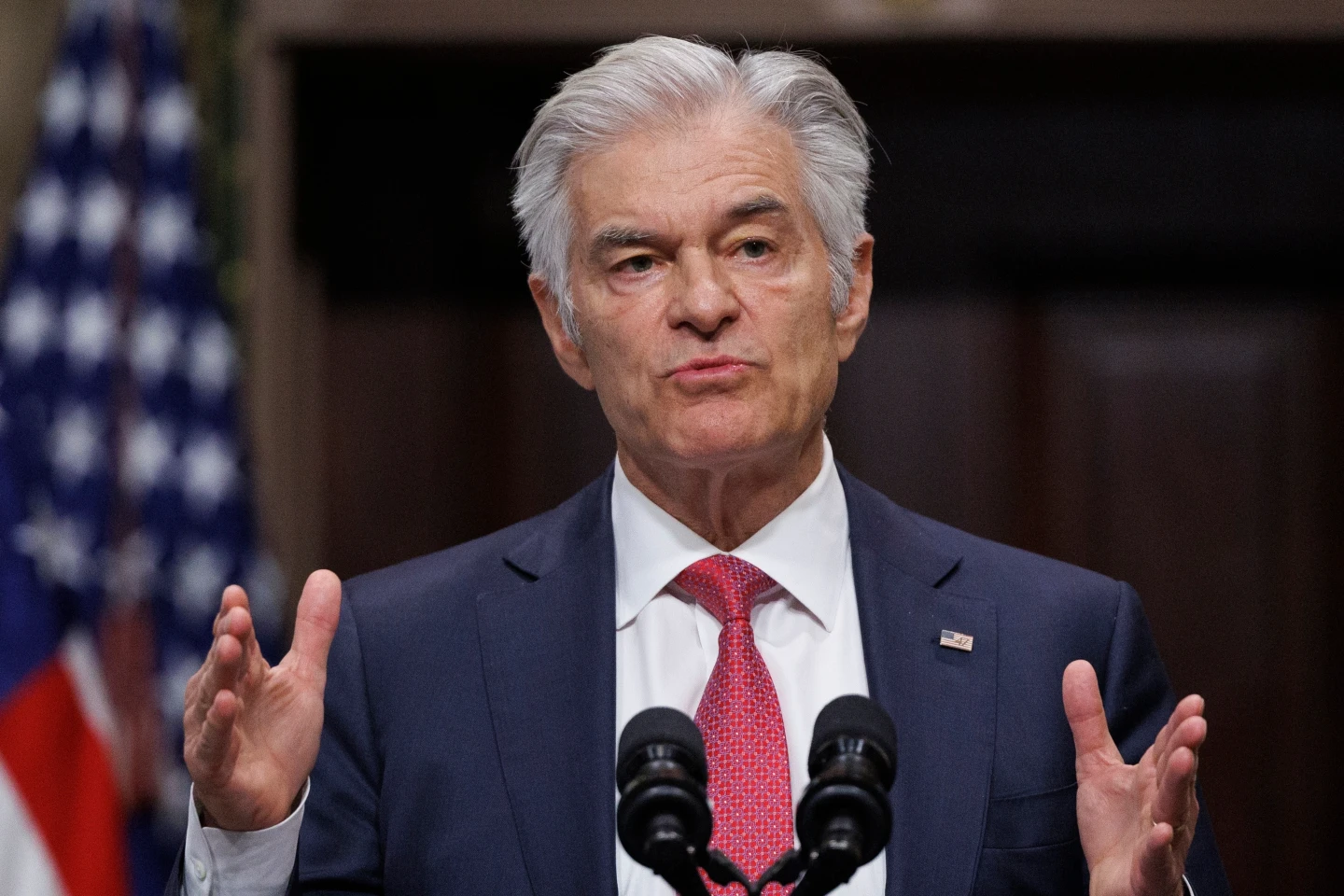
The miscalculation originated in comments made by Dr. Mehmet Oz, head of the Centers for Medicare & Medicaid Services. In a social media video, Oz claimed that New York’s Medicaid program provided personal care services to approximately 5 million individuals last year. This inflated figure would represent nearly three-fourths of the state's 6.8 million Medicaid enrollees. However, CMS spokesperson Chris Krepich later clarified that the actual number was about 450,000, or roughly 6-7% of total enrollees. Krepich stated they misidentified New York's billing practices and have since refined their methodologies.
“CMS is committed to ensuring its analyses fully reflect state-specific billing practices and will continue to work closely with New York to validate data,” Krepich added. Despite this rectification, the probe remains ongoing, as the administration has expressed concerns about New York's oversight of personal care services.
New York state health officials responded, asserting the accuracy of their Medicaid programs. Cadence Acquaviva from the New York Department of Health denounced Oz's comments as a targeted attempt to misrepresent the facts. In a statement, Gov. Kathy Hochul’s spokesperson stressed the state’s commitment to addressing fraud while ensuring vital services remain accessible and funded appropriately.
The controversy adds to a broader investigation initiated by the Trump administration, which has also scrutinized at least four other states, including California and Florida. There are concerns that the political nature of the investigation may undermine the collective efforts needed to address potential fraud in Medicaid.
Moreover, advocates for Medicaid beneficiaries have criticized other claims made by Oz, arguing that his assertions about eligibility requirements distort the facts around state programs, further complicating the public conversation about the crucial services Medicaid provides.