In brief
As British Jews navigate a period of profound change, stemming from conflicts in the Middle East and growing antisemitism, many express heightened vulnerability and shifting views on their identity and relationship with Israel. A generational divide emerges, complicating the discourse within the community and affecting social ties.
It's been an incredibly difficult two years, says Phil Rosenberg, president of the Board of Deputies of British Jews. I think our Jewish identity is being worn far more heavily these days given the pain of it all.
Conflict in the Middle East has, he says, had a profound impact on British Jewish society.
With the horrific attacks on October 7th — which took British lives — and the subsequent devastating effects on Gaza, there is a palpable tension that has enveloped the community. The numerous incidents of antisemitism, especially recent attacks on Israeli-linked targets, have further accentuated this discomfort.
For the approximately 300,000 Jews in the UK, these unsettling developments have initiated a wave of introspection and reevaluation of identity and community solidarity. Many now feel increasingly conscious of their safety and how they navigate their Jewishness in a landscape fraught with animosity.
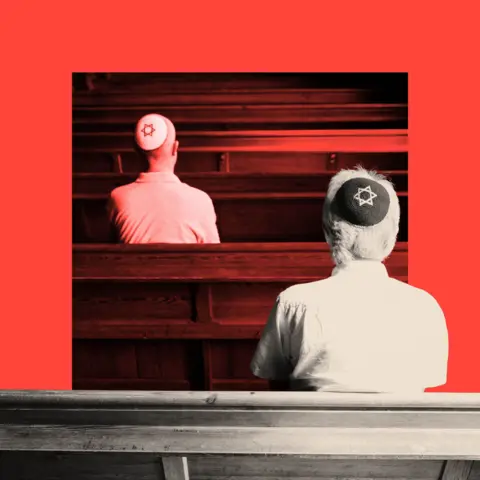
As Ben Dory, a member of this community, observes, routines involving expressions of faith — like wearing a kippah — have become laden with caution and concern. I know Jewish people who will keep their kippah in their pocket until the moment they're through the door, and take it off after leaving, he explains.
This shift is echoed across various age groups, where tensions rise not only regarding identity, but also regarding differing opinions on Israel. Recent studies emphasize a generational divergence: while many older Jews remain staunch supporters of Israel, younger Jews express more critical views, seeing the recent militaristic actions as detrimental to safety and peace.
A number of incidents have exemplified this divide: in the aftermath of the Manchester synagogue attack and the Bondi Beach shooting, voices within the community diverged sharply on how to interpret Israel's geopolitical actions.
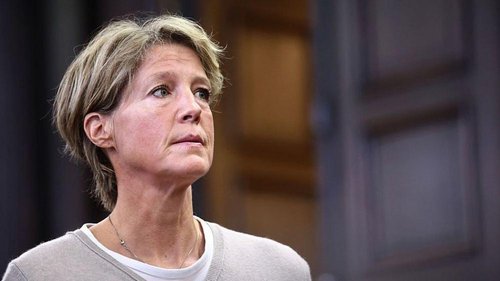
I've never felt as vulnerable as a Jew as I do now, admits Dame Louise Ellman, reinforcing the sentiment shared by many. The geographical and psychological distance from Israel has created a sense of helplessness for some, while reinforcing solidarity among others.
Living in this complex reality is challenging; the British Jewish community must confront rising antisemitism while simultaneously dealing with internal disagreements regarding the state of Israel's policies—a narrative that seems increasingly polarized.
The future trajectory amidst these developments will likely depend on broader social dynamics, governmental responses to antisemitism, and the ongoing situation in Israel.
As the community reflects on its evolving identity, there is a collective hope for greater unity and understanding despite differing opinions. Moving forward, the emphasis on dialogue, safety, and inclusion will be critical in shaping the landscape for British Jews.