In brief
In the dangerous backdrop of Somalia, alcohol smugglers like Guled Diriye and Dahir Barre endure perilous journeys from Ethiopia to Mogadishu, driven by economic desperation. Their stories reveal a bitter reality, marked by violence, poverty, and a fractured society under the shadow of Islamist insurgency.
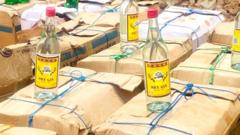
In the heart of Somalia's capital, Mogadishu, alcohol smuggling has become a perilous but profitable venture for individuals like 29-year-old Guled Diriye. Recently returned from a risky trip, tired and emotionally drained, Diriye reflects on the dangers of his line of work. The journey begins at the Ethiopian border and involves traversing treacherous roads and navigating armed militia checkpoints, all while carrying contraband in a country where the consumption of alcohol is strictly forbidden by Sharia law.Despite small victories, the demand for alcohol continues to soar, especially among the youth—pushing Diriye and others into the illicit trade. His neighbor Abshir initially introduced him to smuggling after Diriye lost his minibus taxi driving job as rickshaws began to dominate the busy streets. Enveloped in an economic crisis, Diriye rationalizes his choices, believing that smuggling is his only means of supporting his family.The operation usually starts in Ethiopian towns where alcohol is acquired. Diriye recounts his trips, where he skillfully conceals dozens of boxes of alcohol among legitimate loads. His earnings have grown over the years, rising from $150 to $350 per trip, and so has the danger—notably from the extremist group al-Shabab, which enforces a rigid no-tolerance policy against alcohol and imposes severe punishments for those caught.Diriye highlights the risks he faces, where road ambushes are an ever-present threat. With the loss of colleagues weighing heavily on his conscience, including a friend killed in a militia attack, Diriye's resolve is tested. Yet, he persists in this dangerous lifestyle, feeling that economic despair offers little choice. "Death is something that is predestined,” he utters, underlining his resignation to the constant threat around him.A fellow smuggler, 41-year-old Dahir Barre, echoes similar sentiments. After a decade in the trade, he reflects on the dangers they frequently face, which stem from both the harsh road conditions and ominous militia presence. Barre recalls times when encounters with bandits were more common, showcasing the evolving perils of their work.Their journeys are fraught with anxiety, needing to carefully manage their route among clan checkposts to garner better odds of survival. As they approach Mogadishu, the intricacies of the trade become apparent; alcohol transitions through several hands before reaching local dealers. Despite the haunting memories and risks, these smugglers continue their fragile livelihoods in a country rife with conflict—each driven by an insatiable need for survival amidst the chaos.