In brief
UK volunteers have unearthed the names of 9,909 Punjabi soldiers who fought and died in World War One, adding them to the Commonwealth War Graves Commission database after an 80‑year absence. The work uses fragile registers from the Lahore Museum, painstakingly digitised by the Punjab Heritage Association. Families, like dentist Sunney Palahey, now find closure and national recognition for their great‑grandfather. The update aims to correct Euro‑centric narratives and honour the global reality of WW1.
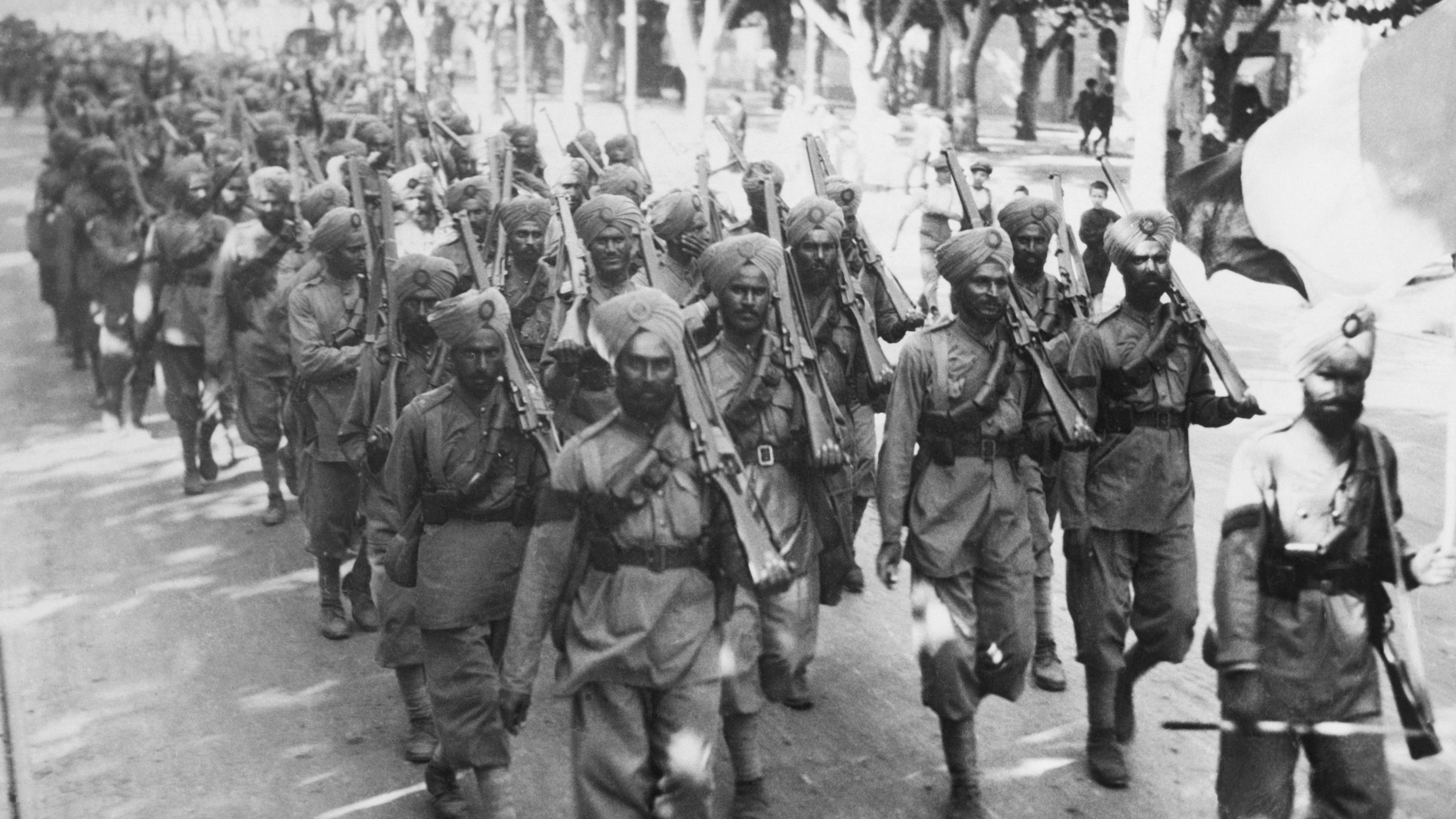
UK volunteers have added the names of 9,909 Sikh, Hindu and Muslim soldiers from pre‑partition Punjab, who fought for the British Indian Army in World War One, to the Commonwealth War Graves Commission database. The soldiers’ names were hidden in fragile leather‑bound registers in Lahore that were once used to document each serviceman after the war.
Over 1.4 million people from what is now India, Pakistan and Bangladesh served in the colonial army during the war. After partition in 1947 the Punjab registers were split between the two new states, many of which were left undeciphered for decades. The Punjab Heritage Association now digitised the handwritten entries to bring them into the public domain.
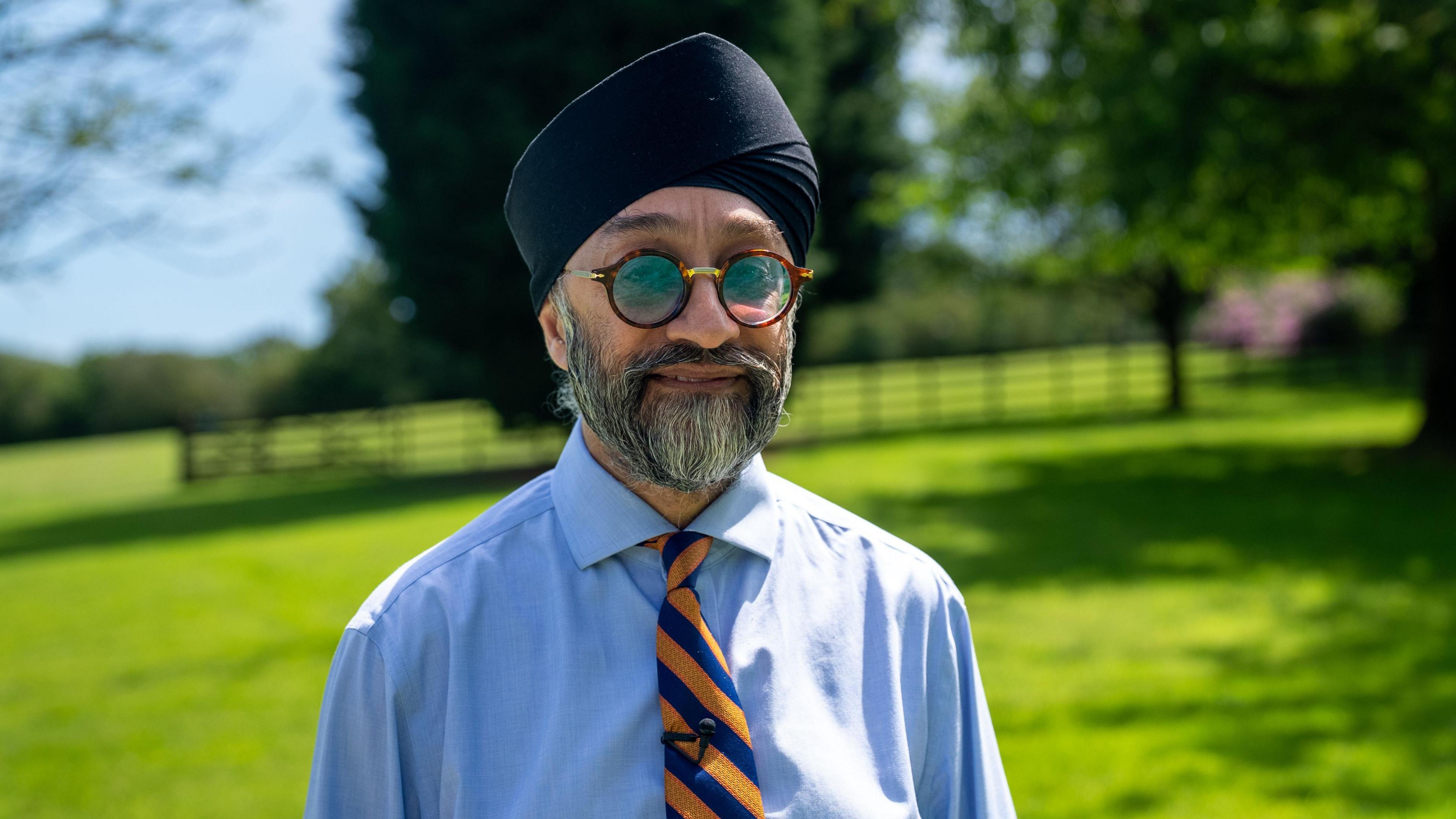
The project has recovered families’ stories such as that of Sunney Palahey, a Leicester dentist, whose great‑grandfather Kesar Singh’s name was found in the registers and is now formally recognised by the CWGC. “It feels complete,” says Palahey, who now feels part of a global community of WW1 veterans.
Historical studies note that many of these men died of injuries away from the battlefield and were originally excluded from war‑grave status due to British government rulings at the time. The new inclusion corrects this omission and broadens the narrative of the war beyond a Euro‑centric focus.