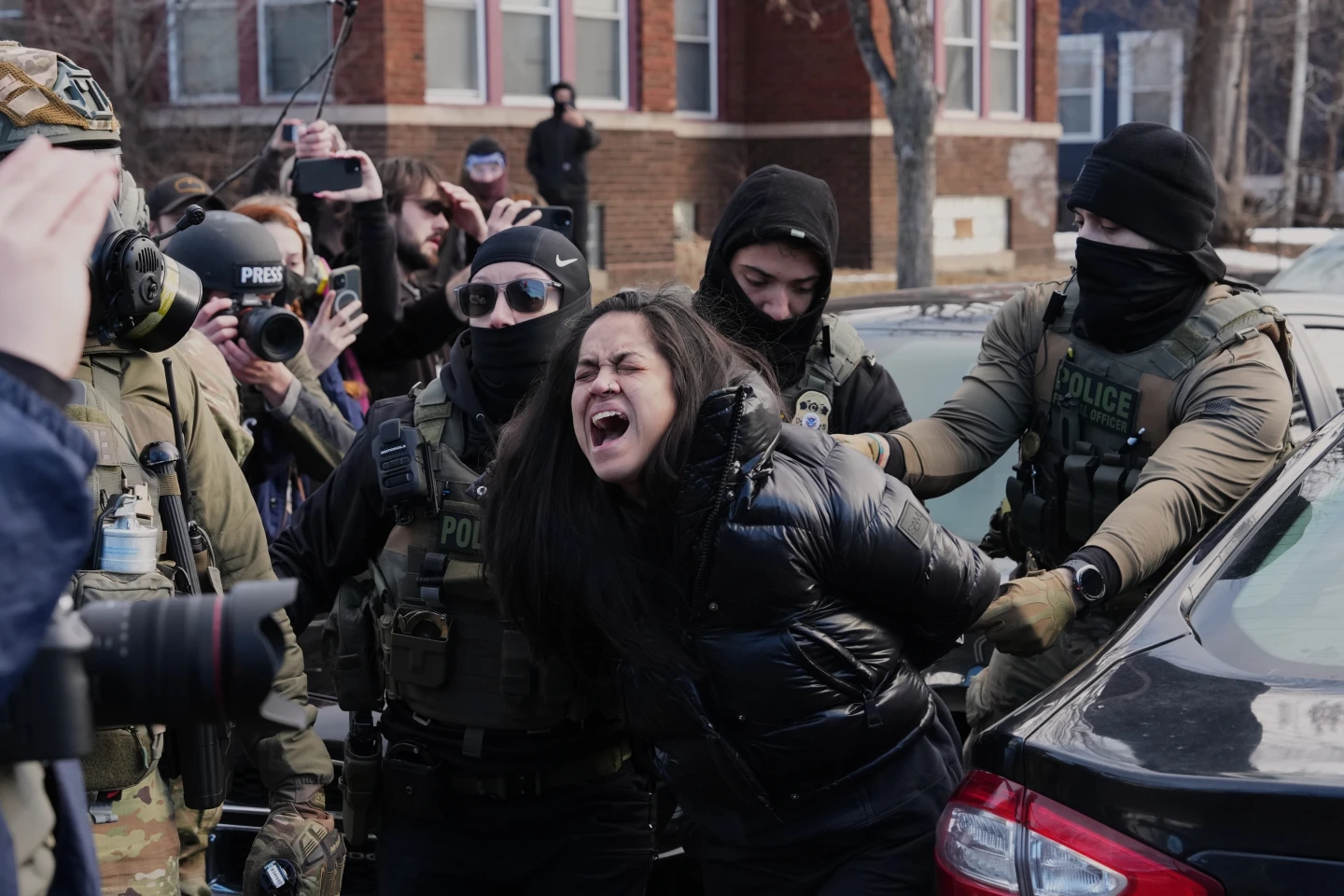
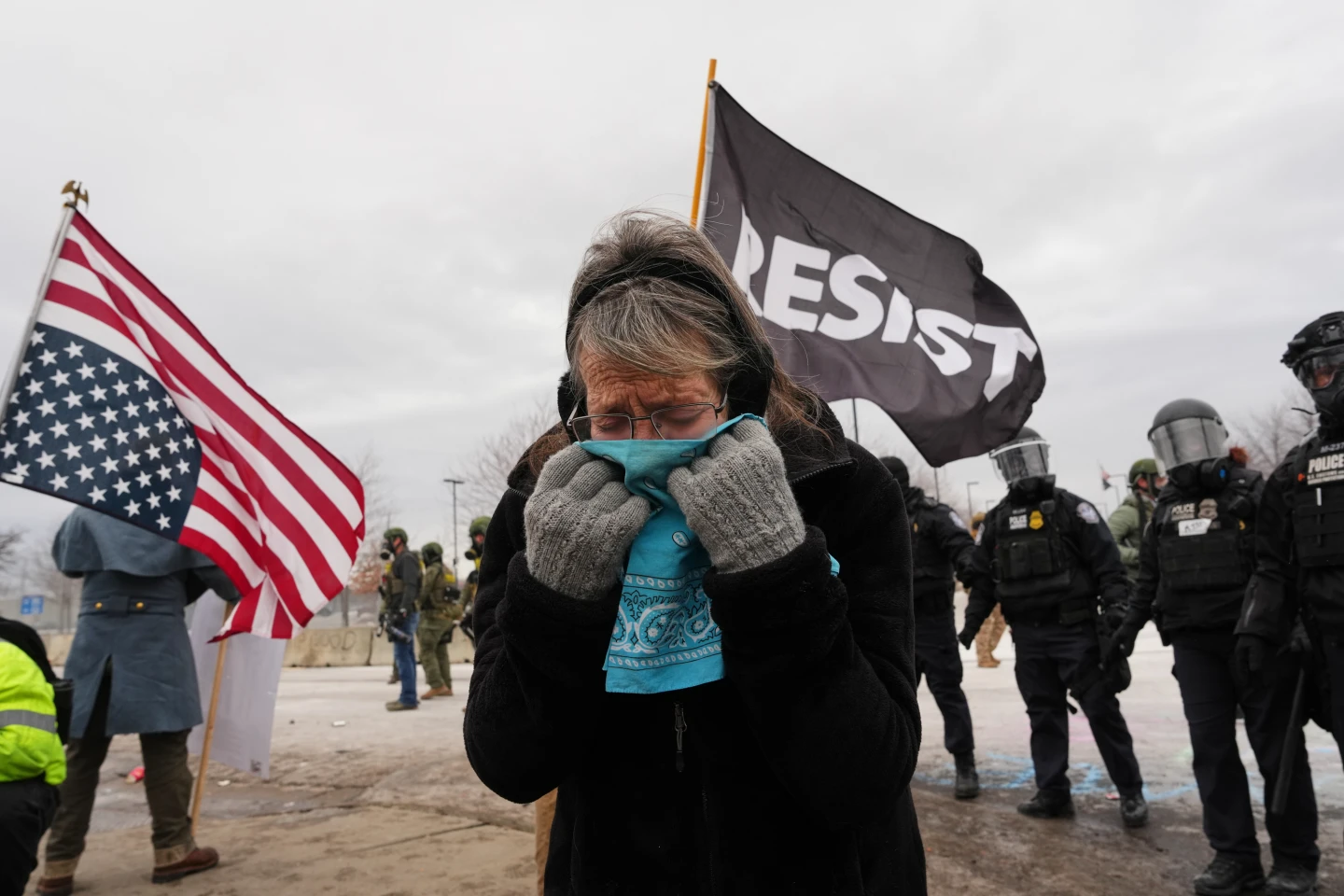
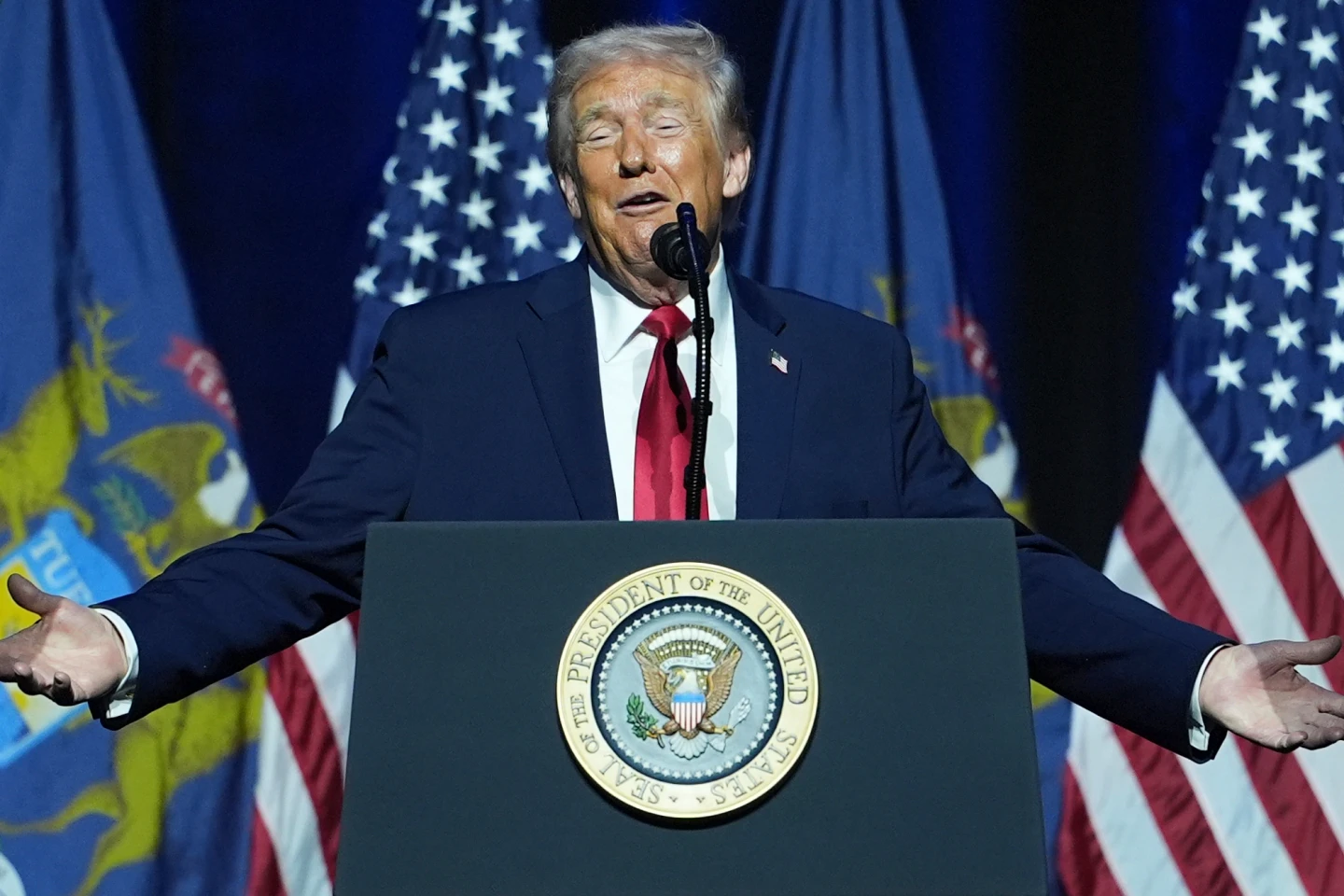
ATLANTA (AP) — President Donald Trump's intent to invoke the Insurrection Act to deploy military forces in Minnesota has sparked a heated debate surrounding the historical and legal implications of such a move. Although not the first president to consider invoking this 19th-century law, Trump would be unique in applying it to quell protests incited by federal actions he has already sanctioned.
The Insurrection Act, first established under George Washington in 1792, was intended to allow for military intervention in the event of citizen uprisings obstructing federal law. Historically, its application has been rare since the 20th Century’s Civil Rights Movement, and experts argue current conditions in Minneapolis may not meet the required legal standards.
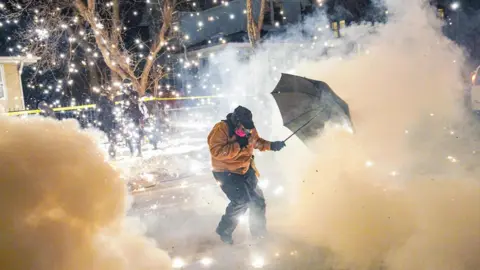
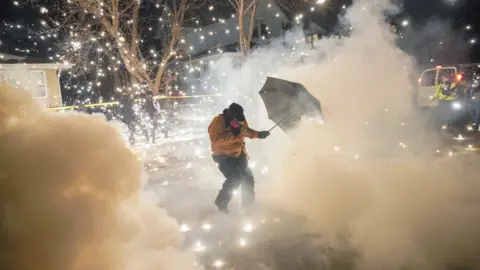
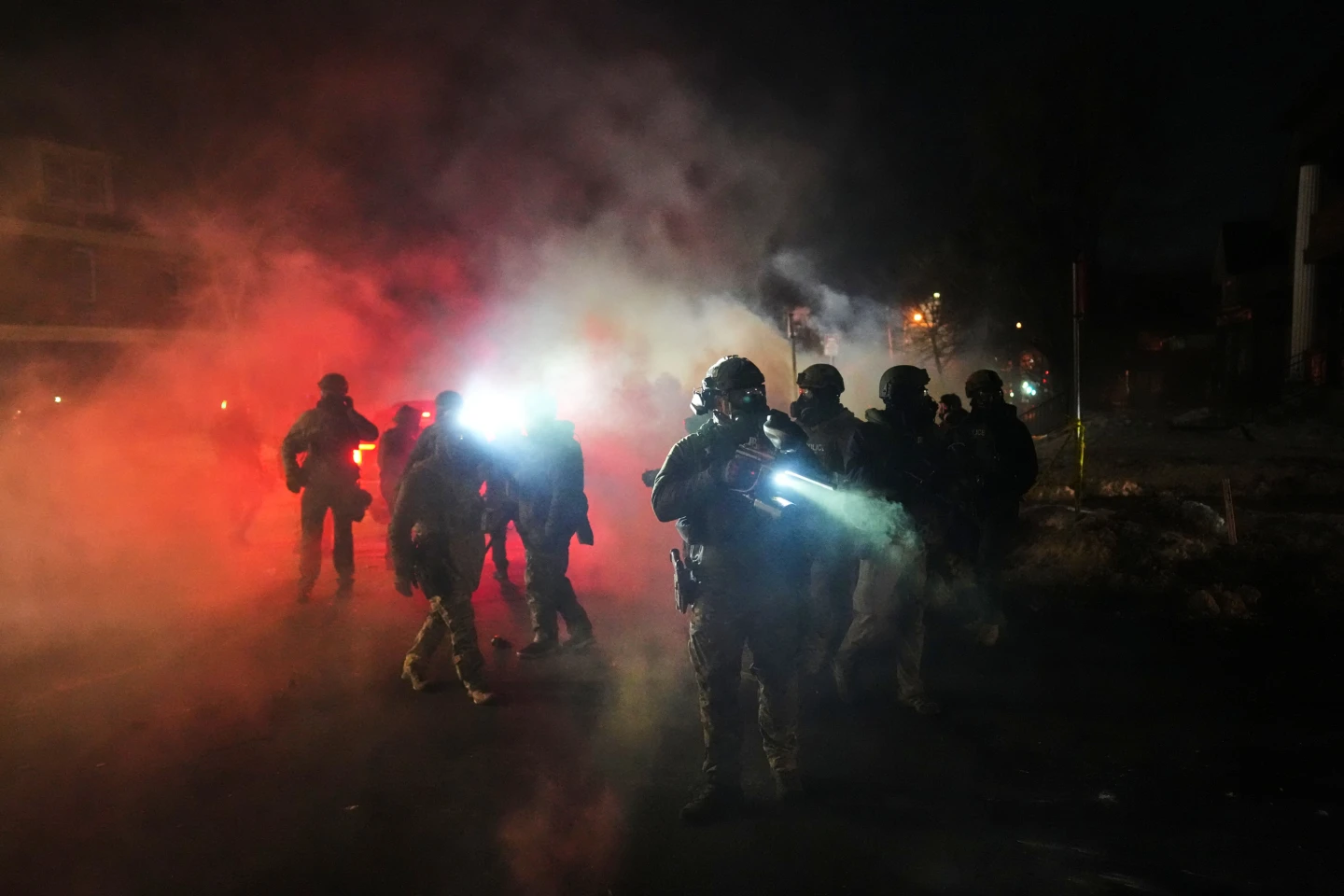
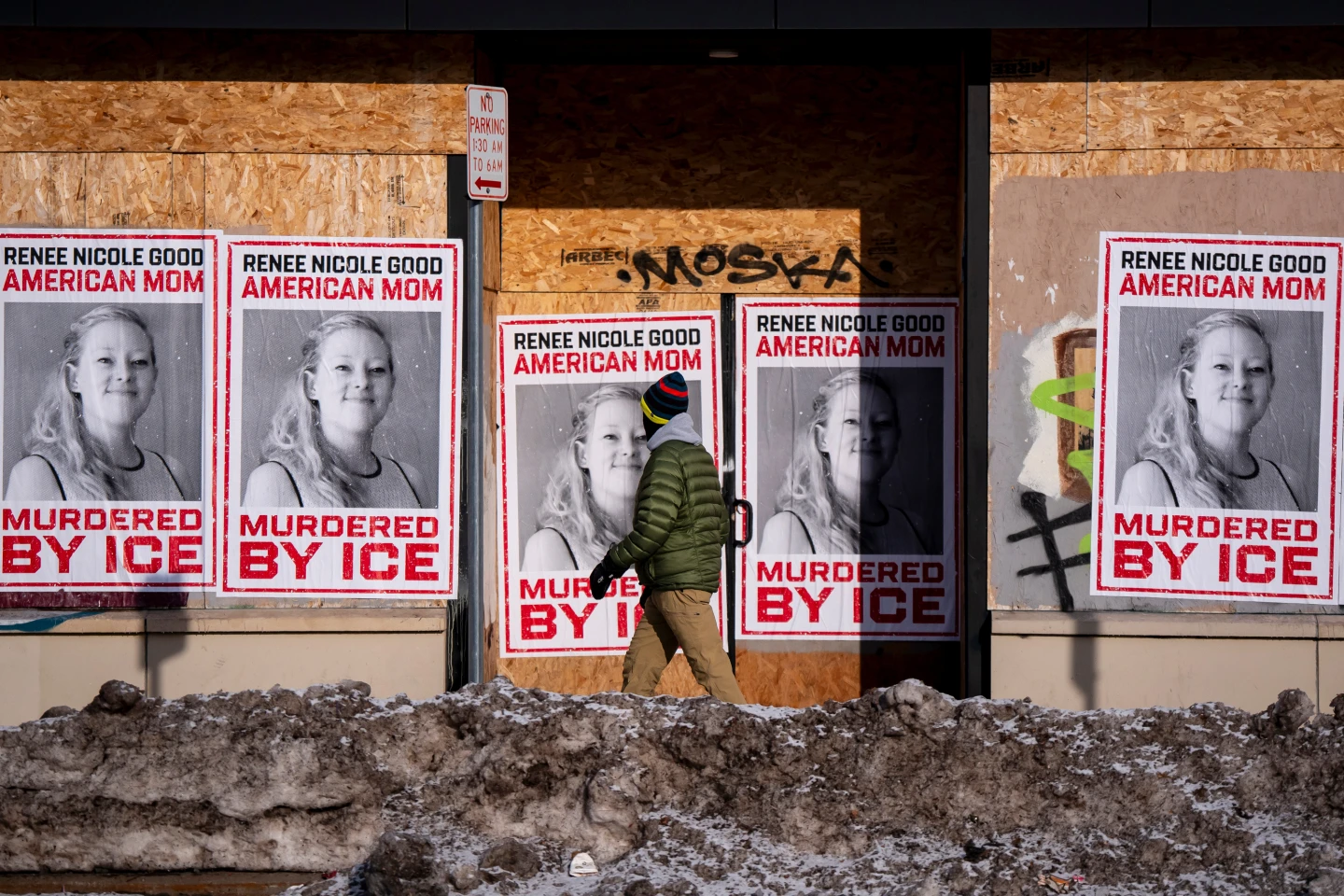
Legal scholars stress that typically federal intervention occurs only when local authorities request assistance due to overwhelming violence. However, Trump's administration's presence is reportedly aggravating tensions, as seen by the shocking incident where a U.S. citizen was shot by federal officers. As the situation escalates, experts warn that invoking the act without just cause would be a misuse of presidential power.
Joseph Nunn, from the Brennan Center for Justice, criticized the potential use of the Insurrection Act under the current circumstances, asserting that it constitutes a “flagrant abuse” of power. William Banks of Syracuse University described the scenario as unprecedented, where federal forces are the primary instigators of unrest.
While courts have generally deferred to presidential authority in military matters, the backlash against federal aggression in Minnesota may complicate Trump's legal arguments for deploying troops. The Insurrection Act was expanded post-Civil War to include protections for civil rights, hinting that deployments must serve to uphold individual rights rather than exacerbate violence.
In conclusion, Trump's eligibility to wield the Insurrection Act hinges on a fraught legal interpretation and historical precedence. As America grapples with polarized views on federal law enforcement and civil liberties, the potential implications of invoking this act continue to unfold in a complex fabric of national discourse.