
Veteran reporter Michael Graczyk, who has witnessed nearly 500 lethal‑injection executions in Texas, says the recent failure in Tennessee is unprecedented.
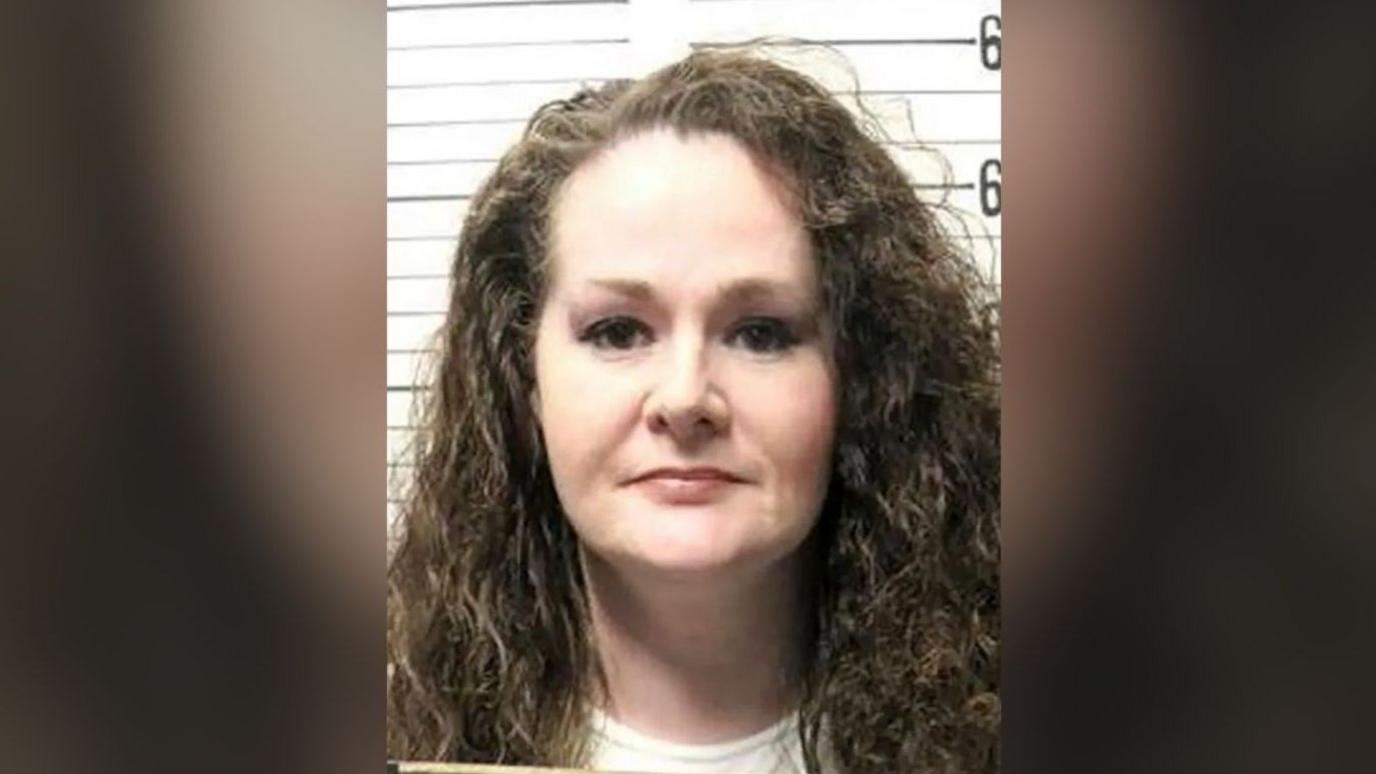
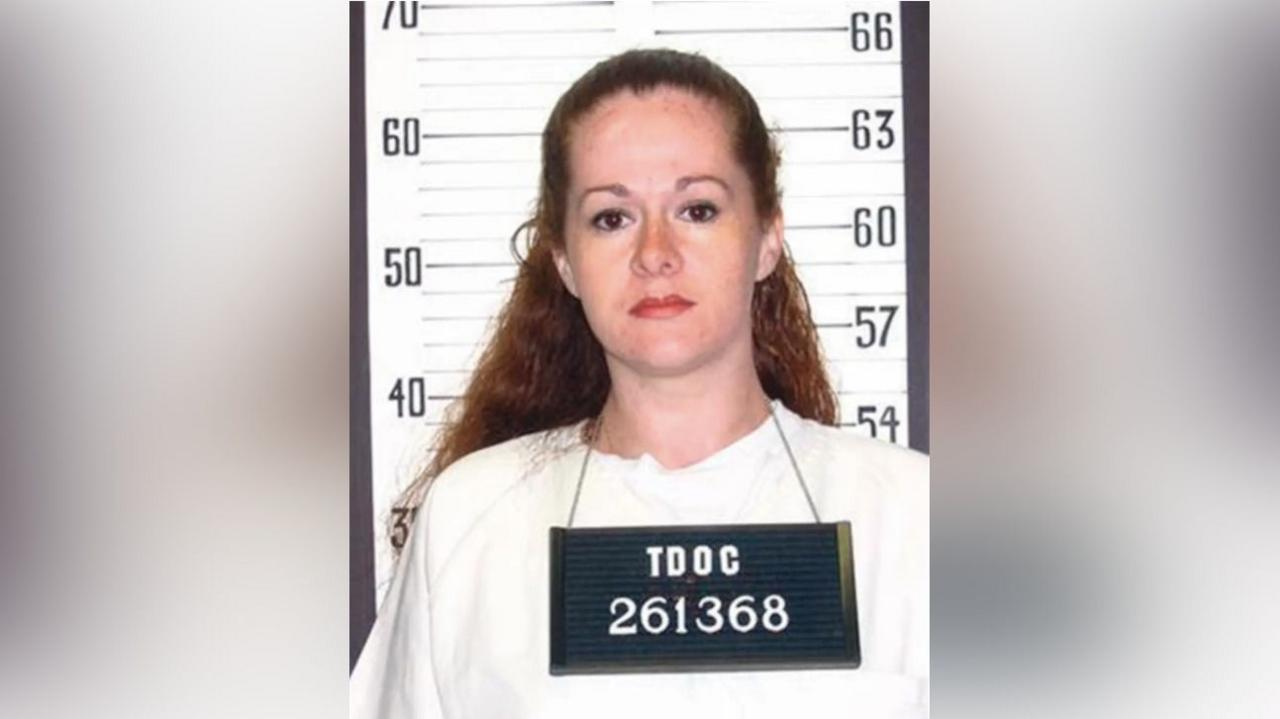
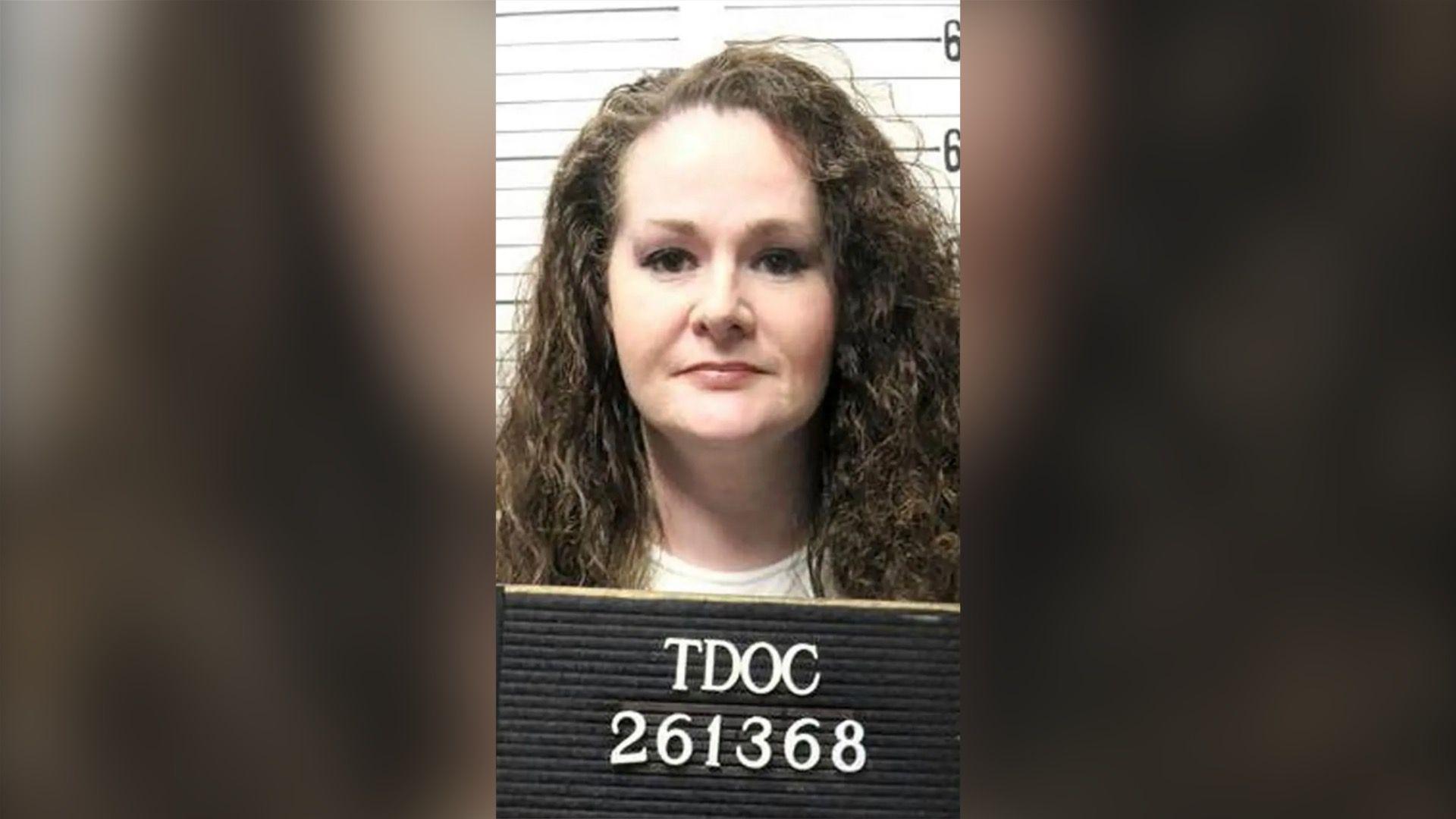
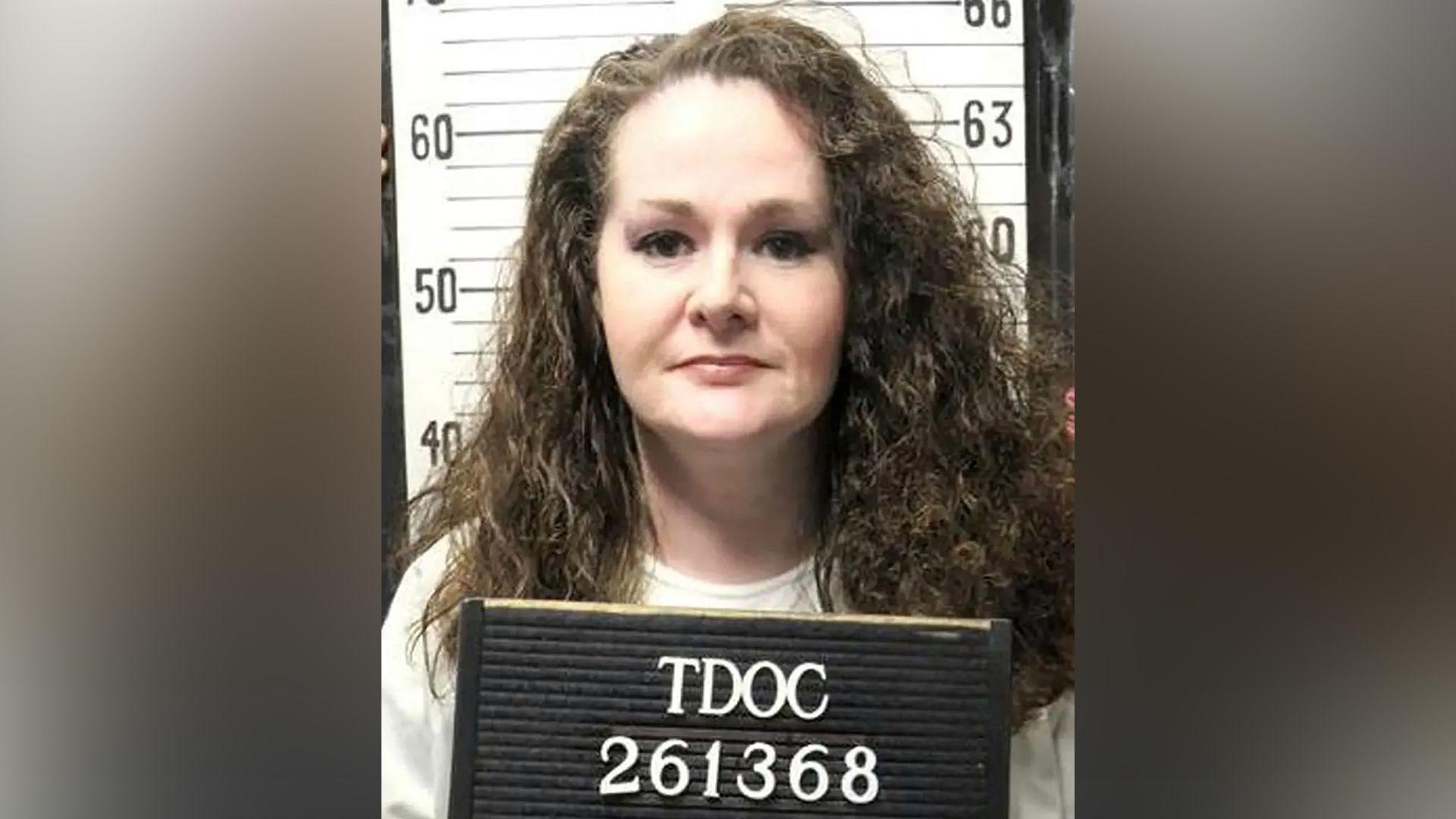
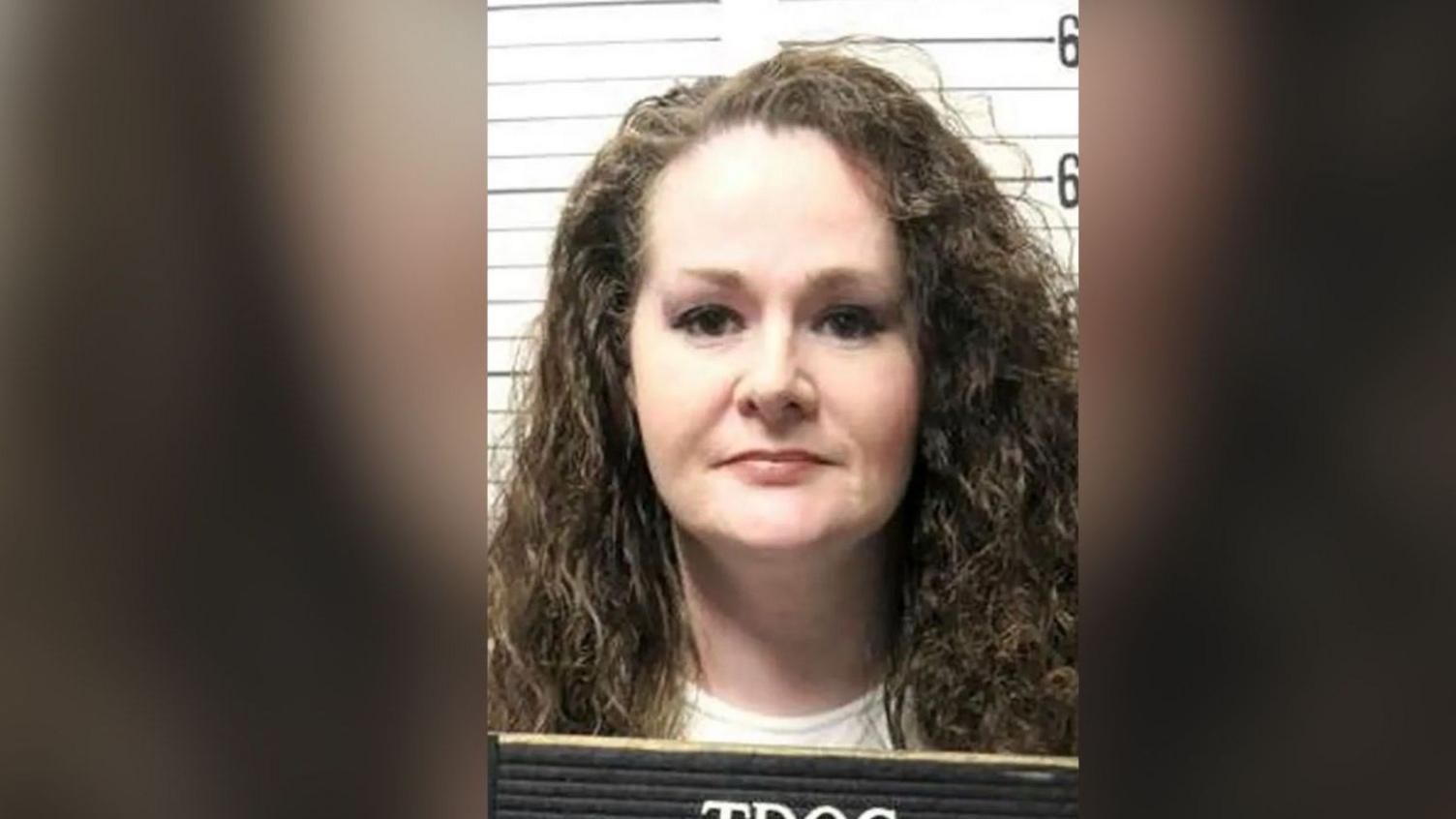
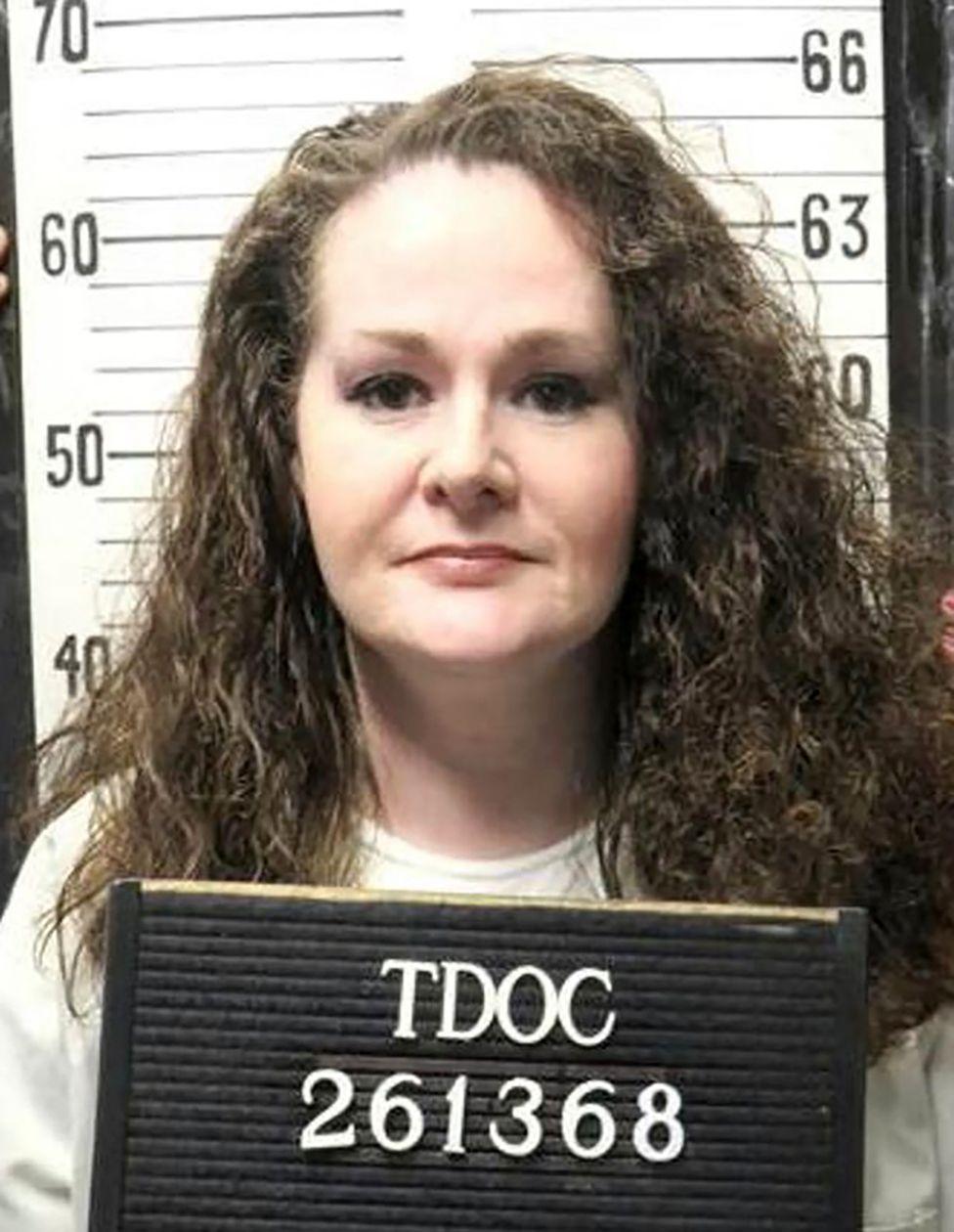
On a Wednesday night, 50‑year‑old inmate Christa Pike received two doses of the state’s barbiturate drug yet continued breathing and even snoring, baffling attendants.
"It seems to me it was just a matter of time," Graczyk told BBC News, recalling his 30‑year career watching executions in full view.
Tennessee’s protocol hands guards a second syringe if the first dose does not terminate the victim, but the law contains no guidance on how to proceed when both injections fail.
In the wake of the botched execution, Governor Bill Lee has suspended all executions and called for an independent review of the state’s lethal‑injection procedures.
The incident has reignited nationwide debate about the reliability of the death penalty and the ethics of using chemical drugs that are increasingly difficult to obtain in approved formulations.
Graczyk, though officially retired, continues to work freelance for the Associated Press, insisting that witnessing the law in action is an essential part of his duty.
He reflects on the silent courtroom sounds, such as the final verse of “Silent Night” that marked the execution of Jonathan Nobles in Texas, adding that the haunting memory lingers even on holiday mornings.
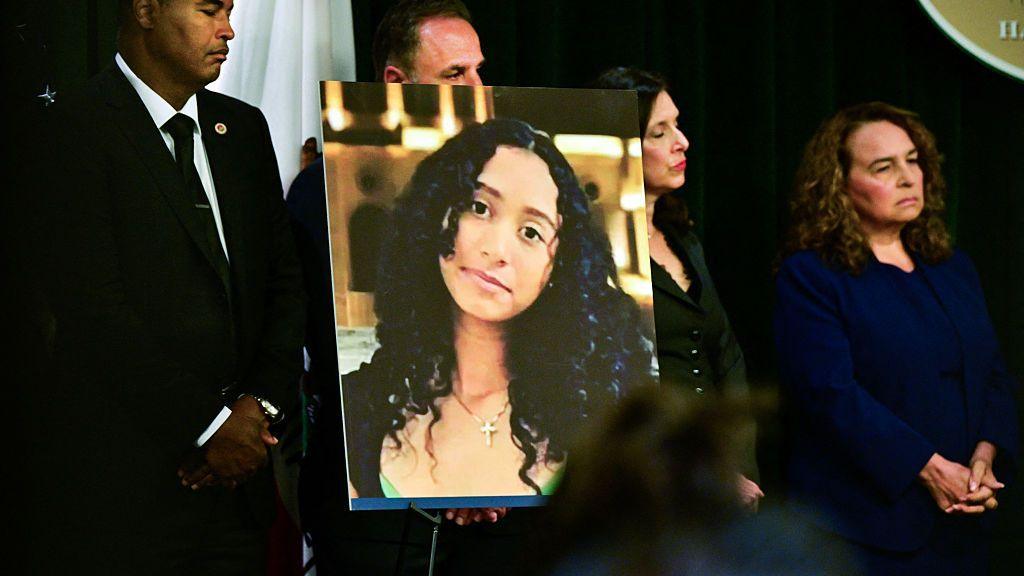
Pike’s victim was 19‑year‑old Colleen Slemmer, whose family described the homicide as a “mess” witnessed by her mother during the failed execution.
While Tennessee’s decision to pause executions may lead to reforms, the wider question of whether lethal injection can ever be truly humane remains unresolved.