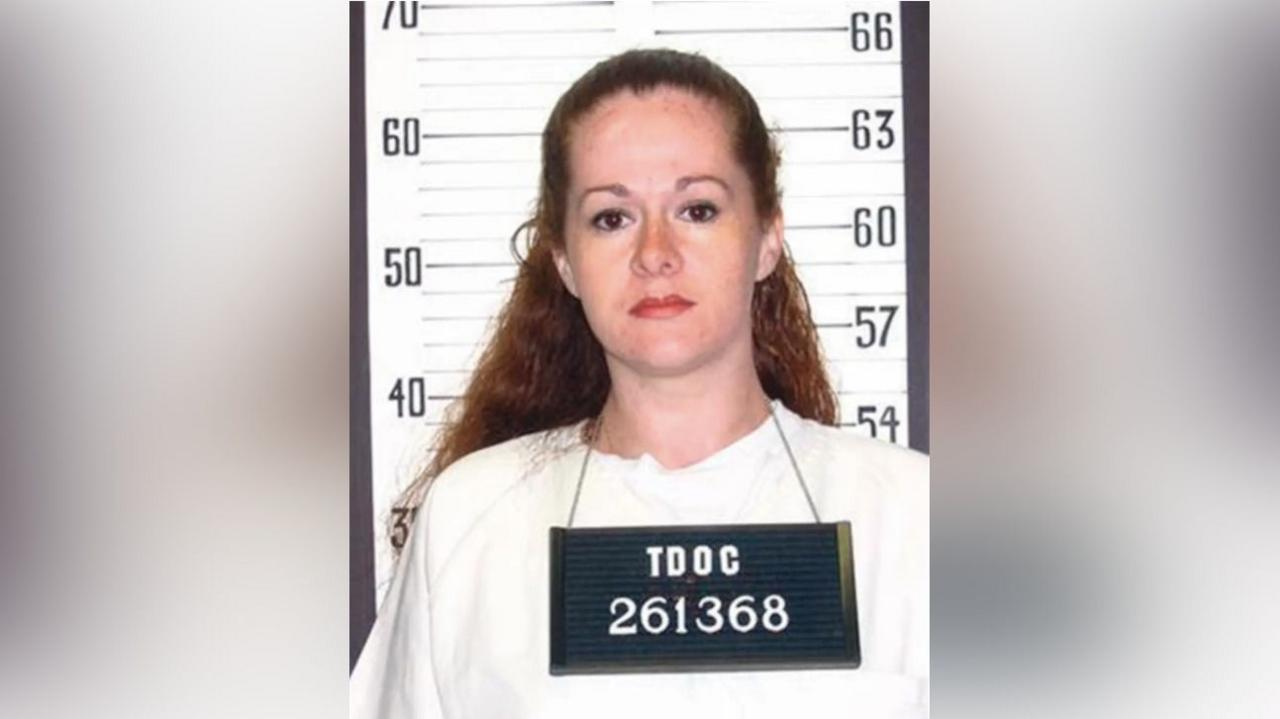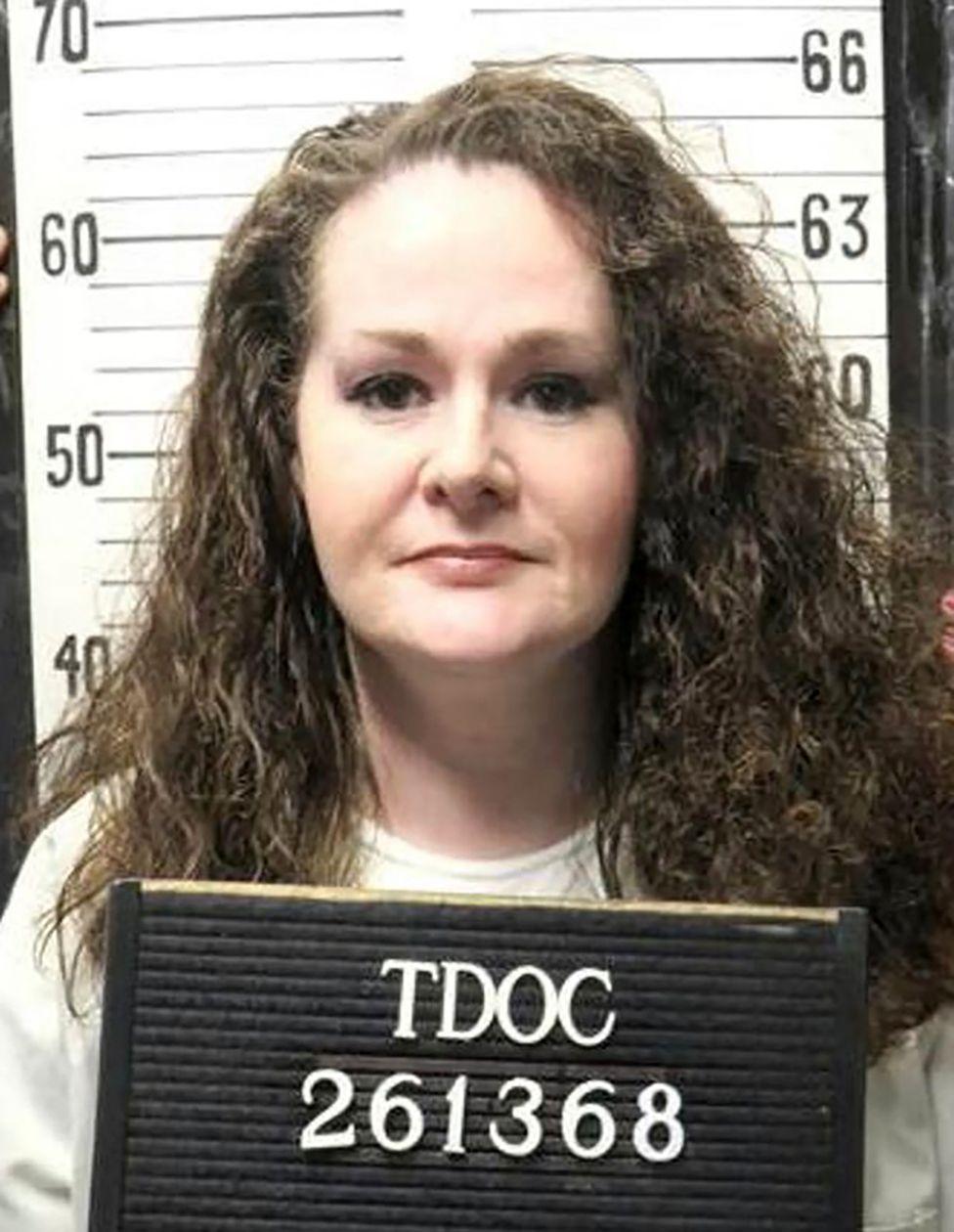
Christa Pike’s botched execution leaves Tennessee grappling with death‑penalty questions
US convicted murderer Christa Pike is in critical condition after authorities failed to execute her by lethal injection, her lawyer confirmed. Pike’s third‑party review is now underway following Governor Bill Lee’s decision to halt executions for the rest of the year.
How did it go wrong?
Pike, now 50, was sentenced to death in 1996 for murdering 19‑year‑old Colleen Slemmer. Her scheduled execution on Wednesday evening was authorised by the Supreme Court at the 11th hour. The inmates received two doses of pentobarbital, but her legal team reported that her heart continued beating and she was still audible snoring after the second injection.
The Tennessee Department of Correction defends its method, claiming the protocol does not allow for additional procedures beyond what was carried out. The state protocol also does not stipulate actions if a second dose fails to kill.
What happens next?
Pike was taken to an off‑site medical facility where life‑saving measures are being administered. One of her lawyers said the prognosis is uncertain and the prison staff have not announced whether a retry will occur.
Dr. Joel Zivot, an Emory professor, warned that delayed resuscitation could result in a brain injury. Historically, the U.S. Supreme Court has not barred second executions, citing a 1947 case that overturned double jeopardy concerns for Willie Francis.
In 2024, Alabama was permitted to attempt a second execution of Kenneth Eugene Smith using an experimental method after a prior lethal‑injection failure.
Lawyer John Mills noted that it is unlikely federal courts would intervene in a second attempt for Pike, suggesting the state can proceed if it chooses.
What is pentobarbital?
Pentobarbital is a potent sedative that acts on the nervous system. In large doses, it is used as a lethal injection agent. The Biden administration banned its use in federal executions after recognizing potential for unnecessary pain, but states like Tennessee may still employ it.
Has this happened before?
The failed execution of Pike is not Tennessee’s first botched execution in 2026. A previous attempt on Tony Carruthers was delayed when staff could not locate a vein for the injection, leading to a governor‑issued reprieve.
According to the Death Penalty Information Center, over a third of U.S. executions in 2022 were botched or highly problematic.