Threat on Oil Tankers in the Middle East Hits Dead‑Spot in War‑Rugged Period
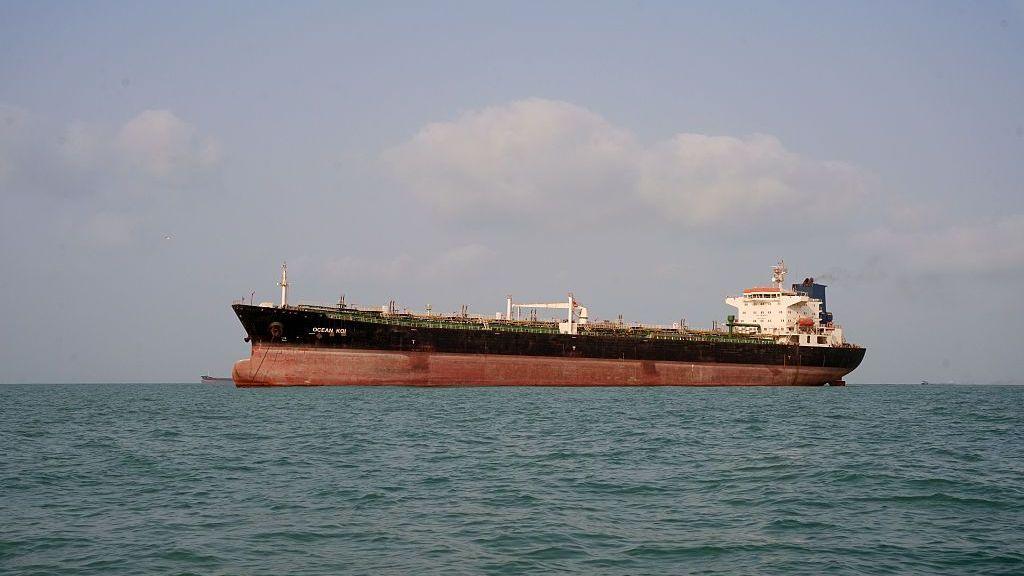
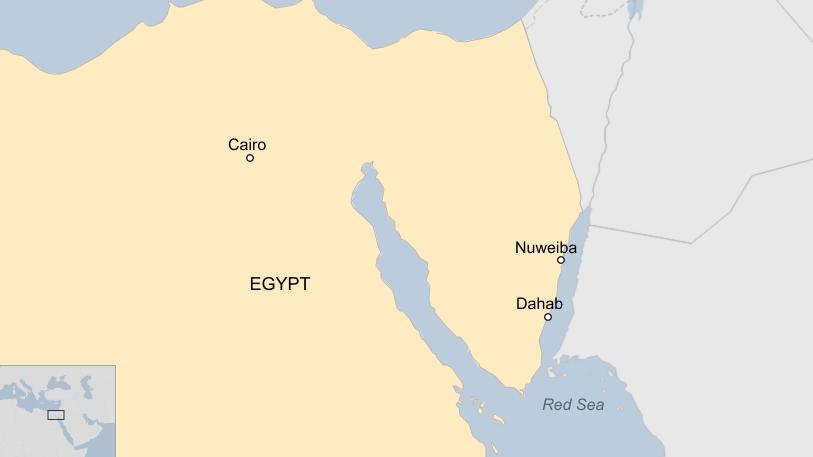
The risk faced by ships ferrying crude through the volatile Middle East has surged to its highest point since the Iran war began, says a maritime analyst. An uptick in hostile actions along the Red Sea—used by tankers when the Strait of Hormuz is shut—overlaps with renewed casualties in that crucial chokepoint.
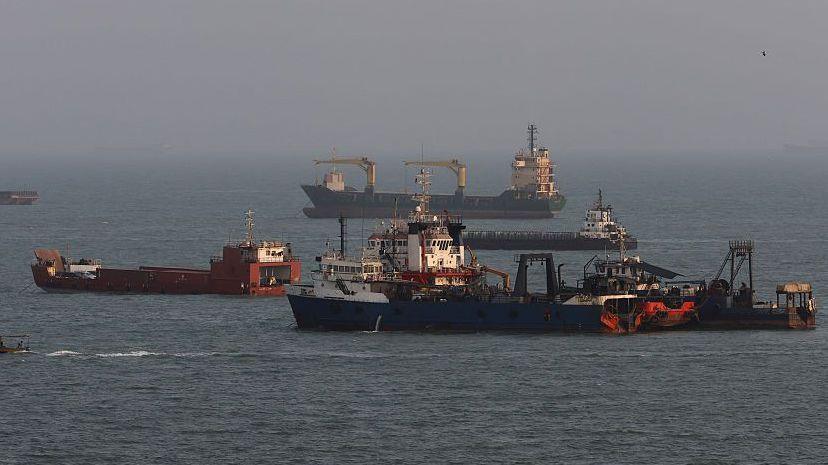
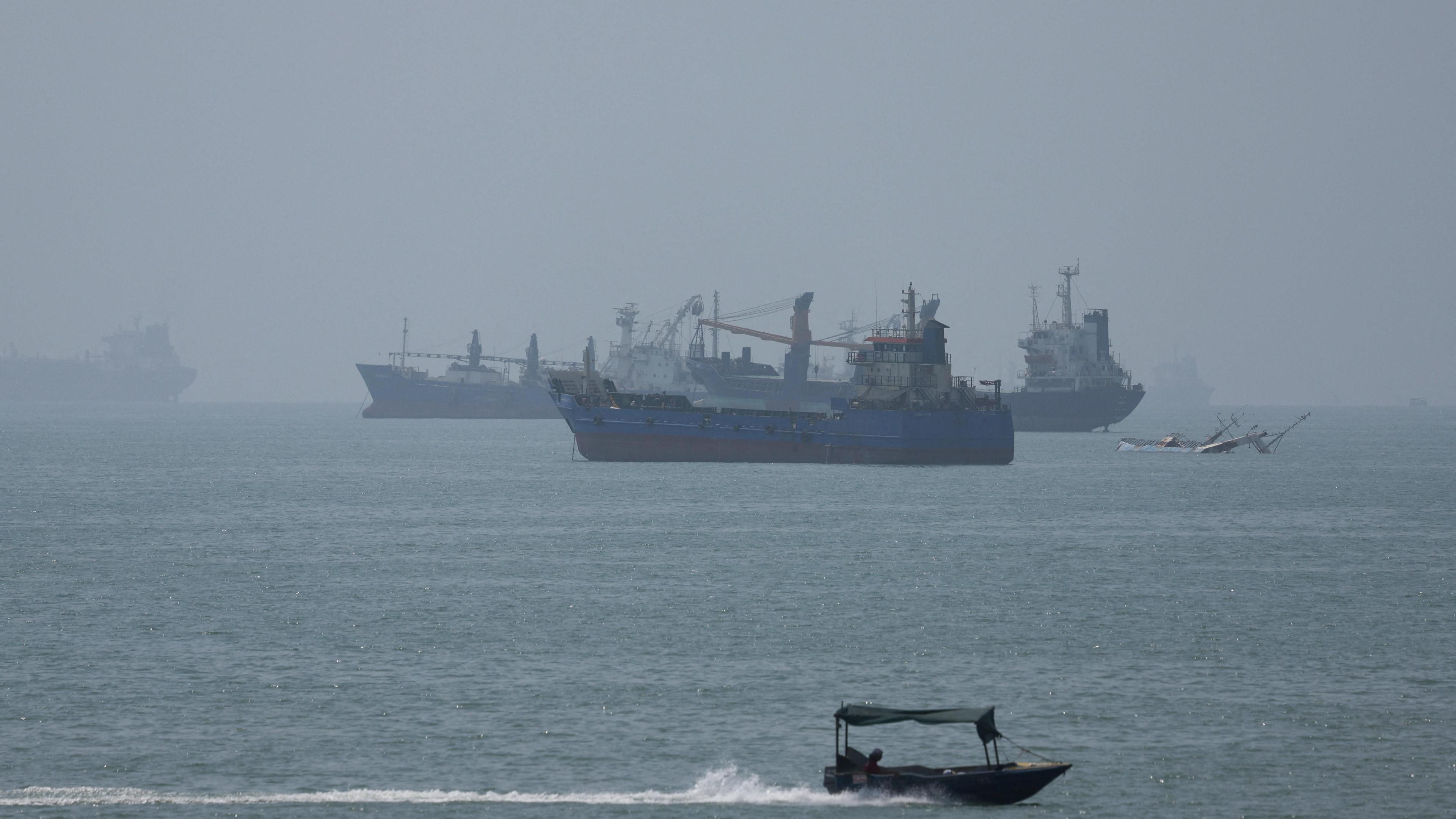
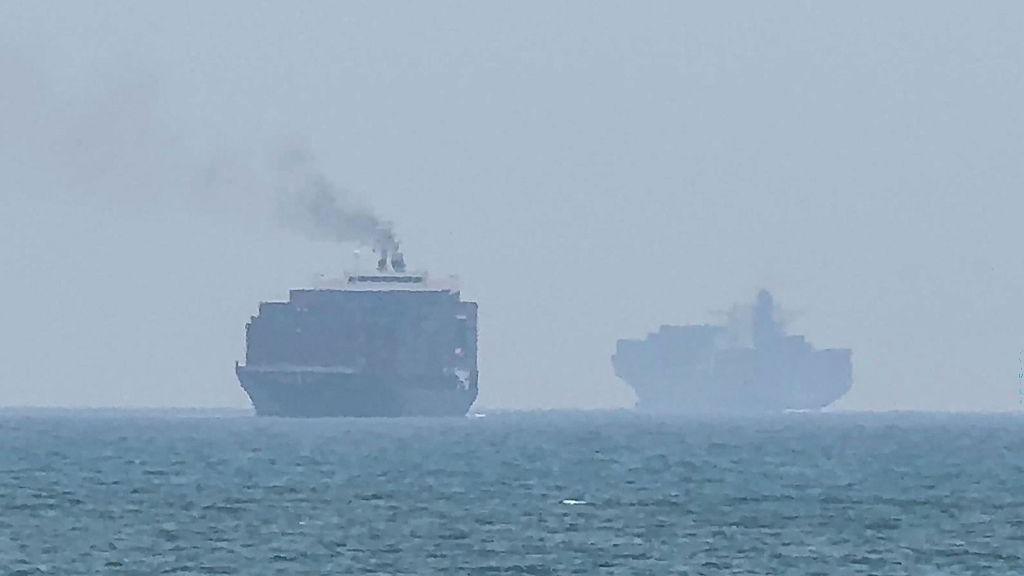
Critics point to a dramatic drop in traffic: only eight vessels passed through the Strait on a single Sunday, a stark fall from the over 100 ships that flowed daily before hostilities erupted. During the brief peace that slipped into early June, numbers climbed, but a month later a restart of hostilities has once again throttled movement.
“This is the worst period for crude movement since the war began,” says Matthew Wright, analyst at ship‑tracking firm Kpler. He notes that the shift of tonnage to the Red Sea has left many vessels turning off their transponders to dodge navigation systems.
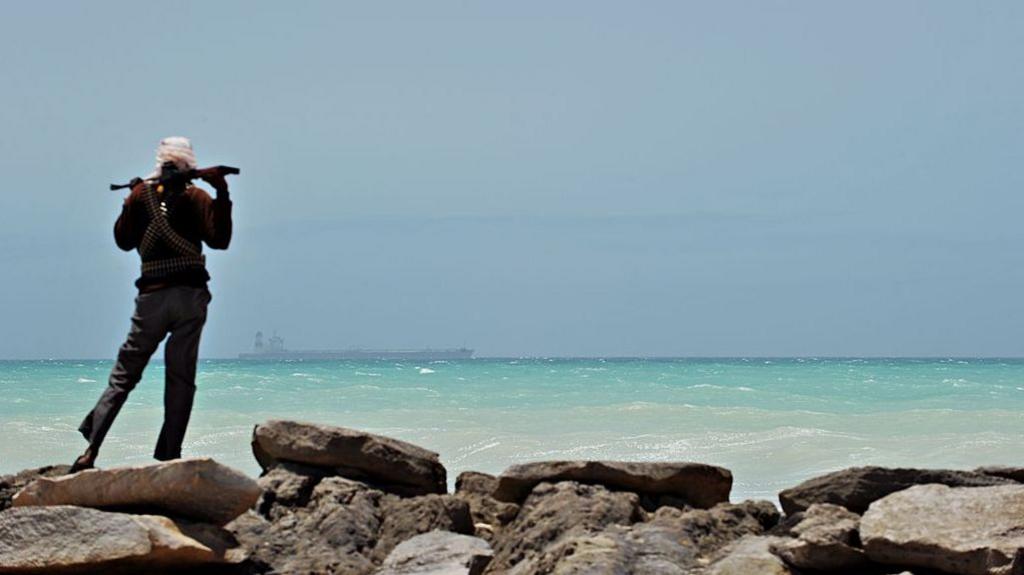
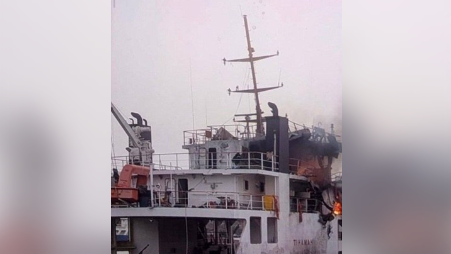
Houthi militants have targeted Saudi Arabian tankers in that corridor, shedding light on the broadened security problem. The International Maritime Organization’s UK agency has logged multiple strikes in the past week, and Hapag‑Lloyd’s fleet manager remarks that the threat has “stretched into parts of the Red Sea” and is impacting the market. Even with a bilateral talk with Oman on the way, the region still has no guarantee of a normal traffic flow. Kpler suggests that a return to pre‑war levels would require “three to four months” following a potential reopening.
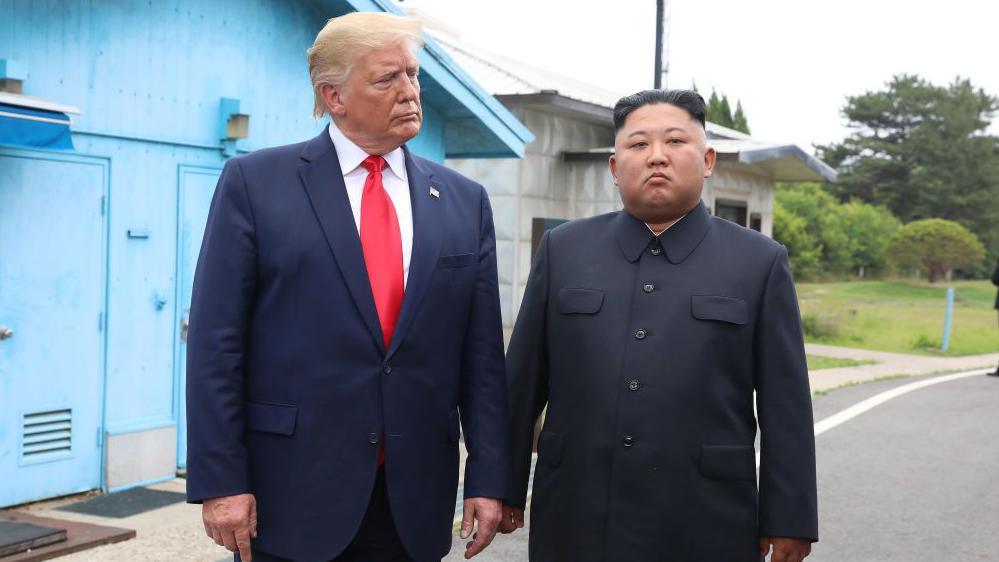
Iran takes no steps towards a deal that might lift current restrictions while the United States continues its own “aggression,” the foreign ministry said. Nevertheless, markets slipped after President Trump’s pledge to cancel potential strikes. Brent crude dipped to $84.05 per barrel, after plummeting 7.3% at its low to $81.55 earlier in the day.
Industry experts suggest that the fighting has effectively rolled shipping back to a “square‑one” state, with no clear prospects for stability. “The alternatives for getting cargo, whether hydrocarbons or containers, are truly worrisome,” concludes Peter Sand of Xeneta.